Brent Crude Moves Above $100 for the First Time in Three Months
TREE NEWS reports: Brent crude oil futures held above the psychologically significant $100 per barrel mark on [current date], the first time since May, following Houthi attacks on Saudi Arabian oil facilities. The strikes disrupted supply chains and heightened geopolitical risk premiums in the energy market.
Market Implications for Crypto and Real-World Assets
The surge in oil prices has immediate ripple effects across global markets, including the cryptocurrency sector. Historically, rising energy costs can influence investor sentiment toward risk assets, including Bitcoin and major altcoins. Higher oil prices often translate into inflationary pressures, which may prompt central banks to maintain or tighten monetary policy—a factor that typically weighs on speculative assets like crypto.
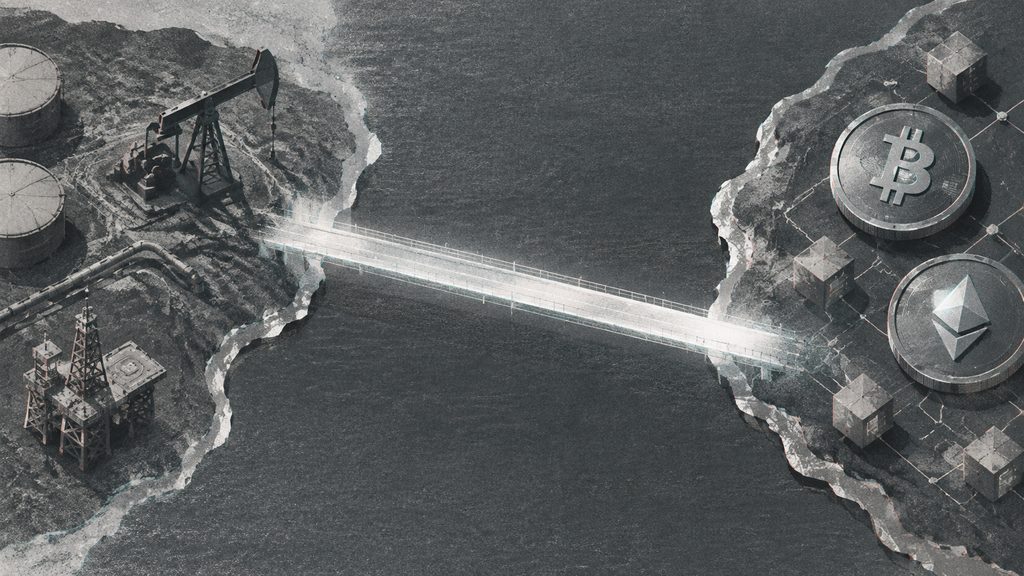
However, the current scenario also highlights a growing intersection between traditional commodities and blockchain-based real-world asset (RWA) tokenization. Platforms that tokenize oil barrels or energy commodities could see increased interest as investors seek direct exposure to price movements without the complexities of futures contracts. The recent price spike underscores the value of transparent, on-chain tracking of such assets, offering a hedge against geopolitical volatility.
Geopolitical Risk and Digital Asset Correlation
The attacks on Saudi infrastructure are a stark reminder of how geopolitical events can disrupt global supply chains. For crypto markets, the correlation with oil is not always direct but can emerge through macro channels: higher energy costs can lead to higher production costs for Bitcoin miners, especially those relying on non-renewable energy sources. This could pressure mining profitability and potentially affect network hash rate dynamics.
Moreover, tokenized oil markets could benefit from this volatility. By bringing oil trading onto blockchain rails, participants gain real-time settlement and fractional ownership, which might appeal to smaller investors who typically lack access to physical or futures markets. The current price environment may accelerate adoption of such RWA products.
Forward-Looking Perspective
As the situation in the Middle East remains fluid, oil prices could stay elevated in the near term. For crypto investors, this suggests a need to monitor energy markets as a macro indicator. For the RWA sector, this is a pivotal moment to demonstrate utility: if tokenized oil platforms can handle increased volume and volatility smoothly, they could capture a meaningful share of the commodity trading market.
In the longer run, the intersection of energy and blockchain is likely to deepen, with innovations in carbon credits and energy derivatives. The current oil price shock may well be the catalyst that pushes more traditional energy players to explore blockchain solutions for efficiency and transparency.