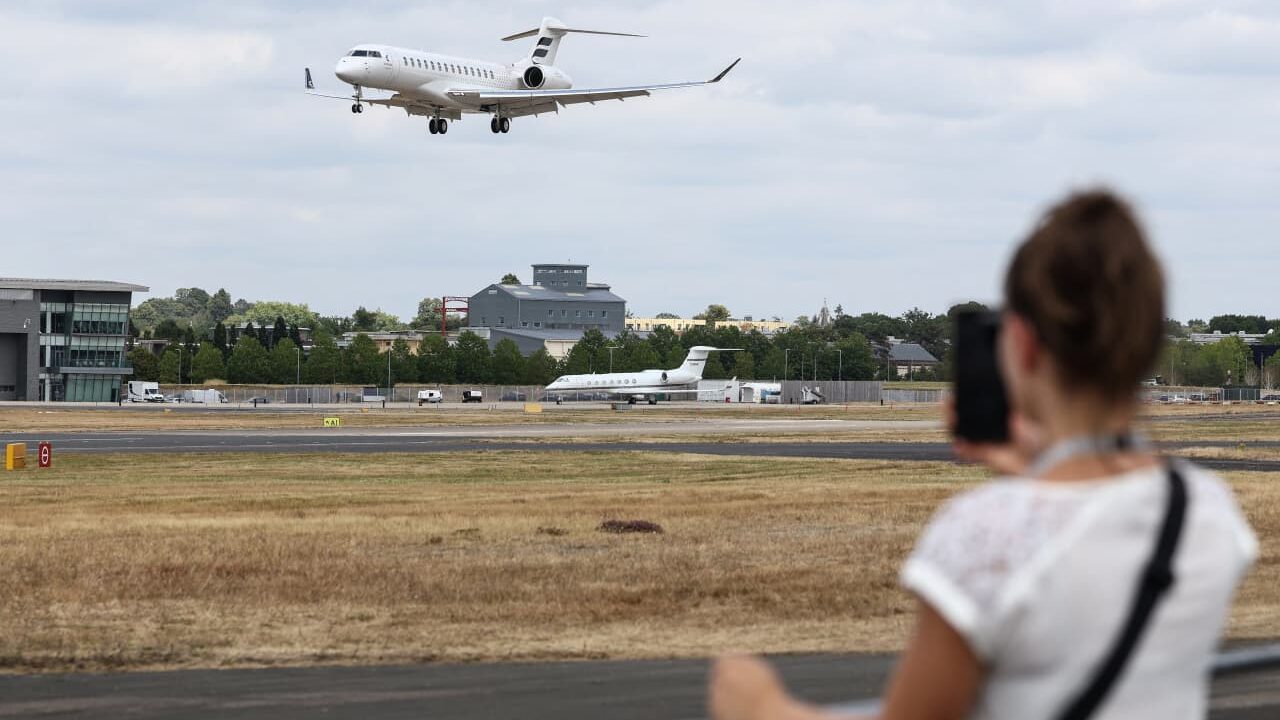
Bombardier Stock Plunges as Trump Threatens Tariffs and Trade War Escalates
TREE NEWS reports: Shares of Canadian aircraft manufacturer Bombardier tumbled on Tuesday after President Donald Trump threatened to impose tariffs or ban the company from U.S. markets unless it commits to building more aircraft in the United States. The threat marks a significant escalation in the ongoing U.S.-Canada trade dispute, which has already seen tariffs on steel, aluminum, and agricultural products.
What Happened
In a post on Truth Social, Trump stated that Bombardier must “make new commitments to build in the U.S.” or face a complete ban on its products entering the American market. The president’s comments came as part of a broader trade offensive against Canada, which he accuses of unfair trade practices and high dairy tariffs. Bombardier, which produces business jets and rail equipment, derives a substantial portion of its revenue from U.S. customers, making the threat particularly damaging.
The stock dropped by as much as 8% in early trading before recovering slightly, reflecting investor anxiety over the potential loss of access to the lucrative U.S. market. Bombardier has not yet issued an official response, but analysts expect the company to negotiate with the White House to avoid a full ban.
Market Impact Analysis
The escalation of the trade war has broad implications across asset classes. Here’s how different markets are likely to react:
- Stocks: Bombardier’s decline is a direct hit, but the broader Canadian equity market, particularly the TSX, may face pressure. U.S. aerospace suppliers and airlines could also see volatility, as any disruption to Bombardier’s operations could ripple through supply chains.
- Bonds: Safe-haven demand for U.S. Treasuries and Canadian government bonds may increase as trade tensions rise, potentially pushing yields lower. Corporate bonds in the aerospace sector could face widening spreads due to uncertainty.
- Crypto: Bitcoin and other cryptocurrencies may see mild inflows as investors seek assets perceived as hedges against geopolitical and trade uncertainty. However, the impact is likely muted compared to traditional safe havens.
- Commodities: Aluminum and steel prices could spike as the trade war intensifies, given existing tariffs. Oil prices may also be affected if trade tensions reduce global growth forecasts, dampening demand expectations.
- Currencies: The Canadian dollar (loonie) is likely to weaken against the U.S. dollar, as trade threats undermine Canada’s economic outlook. The U.S. dollar may strengthen on safe-haven flows, though the impact could be tempered by concerns over the trade war’s effect on U.S. growth.
Why This Matters for Investors
This development underscores the fragility of North American trade relations and the potential for policy-driven volatility in markets. For investors, the key takeaway is the importance of monitoring trade headlines, as they can quickly shift market sentiment. Companies with significant cross-border operations, particularly in aerospace and manufacturing, are at elevated risk. Diversification across asset classes and geographies remains crucial in such an environment.
Moreover, the threat to Bombardier is a reminder that the trade war is not limited to China—traditional allies like Canada are also in the crosshairs. This could lead to broader supply chain disruptions and higher costs for businesses, ultimately impacting corporate earnings and economic growth.
Key Takeaways
- Trade tensions between the U.S. and Canada are escalating, with Bombardier as the latest target.
- Investors should watch for potential ripple effects on aerospace stocks, bonds, and the Canadian dollar.
- Safe-haven assets like Treasuries and gold may benefit from increased uncertainty.
- Diversification and risk management are essential as geopolitical risks remain elevated.