Leveraged Whale Trims Position Amid Market Jitters
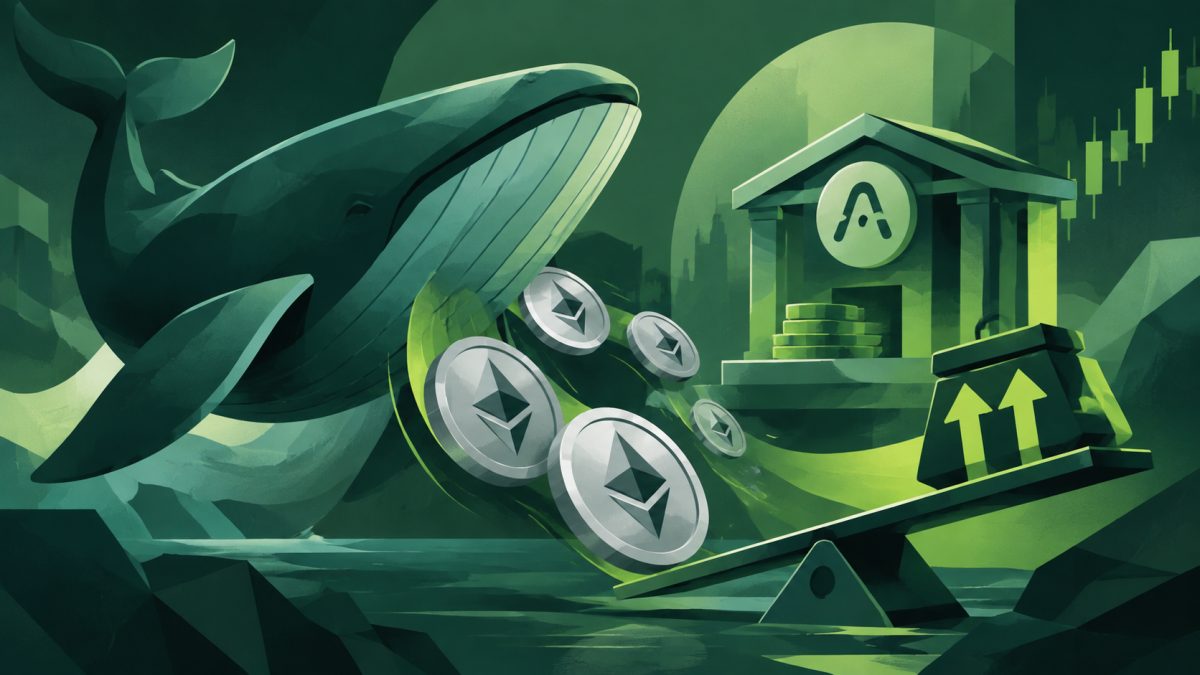
TREE NEWS reports: On-chain data from analyst EmberCN shows a major Ethereum whale—holding 149,800 ETH (worth ~$377 million) through borrowed funds—recently sold 6,000 ETH at $2,496 each, raising ~$14.97 million in USDe to repay part of its Aave loan. The address still retains 143,800 ETH (~$362 million) and carries $181 million in debt across lending platforms, maintaining a leverage ratio of roughly 2x.
Deleveraging Signals Caution
This partial deleveraging comes as Ethereum trades below $2,500, a level that has historically triggered anxiety among leveraged holders. The whale’s decision to sell into weakness rather than add collateral suggests a defensive posture, possibly anticipating further downside or simply managing risk after months of accumulated interest. The move also highlights the growing sophistication of on-chain leverage strategies, where borrowers use stablecoins like USDe to service debt while keeping their core ETH exposure.
Despite the reduction, the whale’s remaining position remains substantial. With $181 million in outstanding loans and a 2x leverage ratio, any sharp ETH drop could force liquidation cascades, impacting both Aave and the broader DeFi ecosystem. Liquidators stand ready, but such events often exacerbate market volatility.
Implications for Aave and DeFi Lending
Large leveraged positions are a double-edged sword for protocols like Aave. They drive demand for borrowing and generate fee revenue, but they also concentrate risk. This whale alone accounts for a notable share of Aave’s ETH borrows, making its actions a systemic watchpoint. The use of USDe—a synthetic dollar from Ethena—also illustrates how yield-bearing stablecoins are increasingly used as debt instruments, adding a layer of interconnectedness between lending protocols and stablecoin designs.
What to Watch Next
Market participants should monitor the whale’s next steps. If ETH continues to slide, further sales may occur, testing liquidity and protocol health. Conversely, a rebound could see the whale re-leverage, indicating renewed confidence. For now, the prudent move is to watch liquidation thresholds and borrowing rates on Aave, as they will signal stress points. The broader lesson: in DeFi, leverage can amplify gains, but it also magnifies fragility—especially when whales act as market movers.