A Celebrity-Tied Token’s Rapid Unraveling
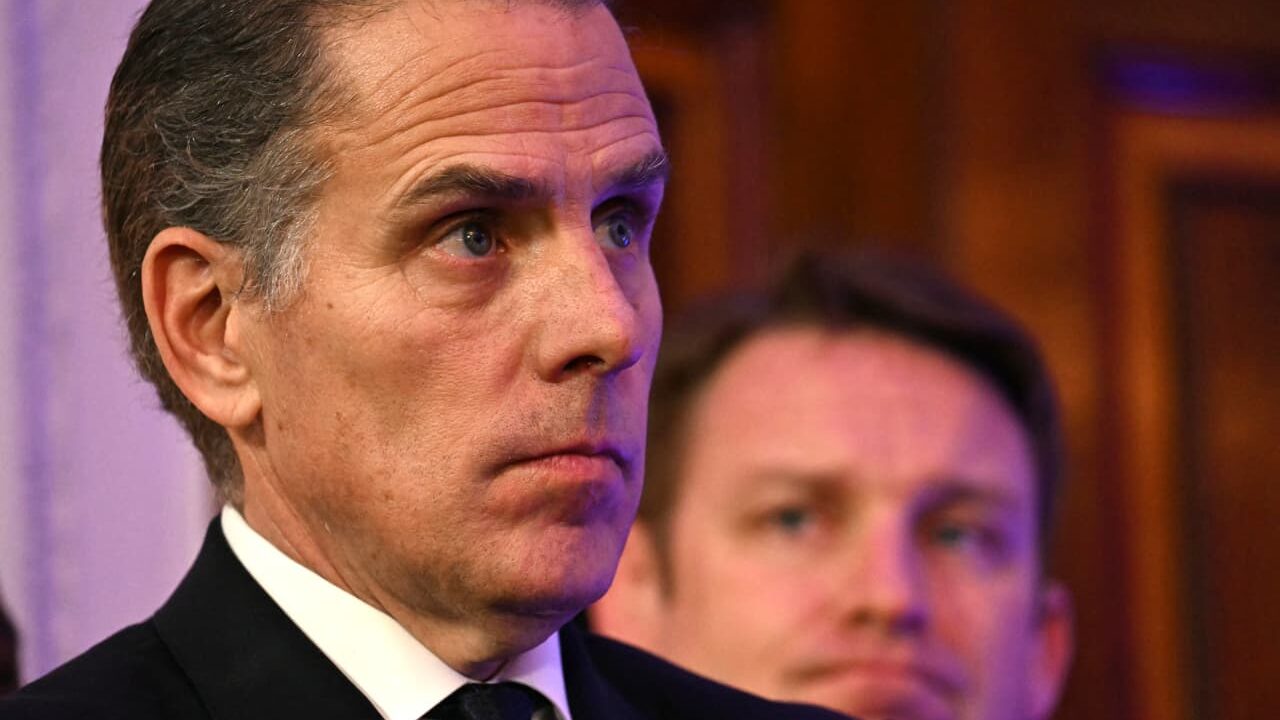
TREE NEWS reports: A memecoin branded around Hunter Biden, ticker $LAPTOP, lost roughly 95% of its market value within hours of launching, wiping out most of the speculative capital that rushed in during the initial trading frenzy. The token’s collapse marks one of the sharpest single-session drawdowns for a politically themed digital asset this cycle, and it arrives at an awkward moment for a market still nursing wounds from a string of failed memecoin launches over the past year.
The episode underscores a broader pattern: celebrity and politically adjacent tokens can generate enormous early volume, but they rarely sustain value once the initial hype cycle exhausts itself. Early buyers who chased the token at its peak now hold positions worth a fraction of their entry price, while latecomers who bought the dip have fared little better.
Why This Matters Beyond One Token
Memecoins have become a barometer for retail risk appetite in crypto. When they thrive, it signals that speculative capital is flowing freely and that investors are willing to underwrite assets with no cash flow, no product, and no fundamental anchor. When they collapse — as $LAPTOP did — it suggests that appetite has not recovered, even as bitcoin has crept higher.
That divergence is the real story. Bitcoin’s gradual climb has been driven largely by institutional flows, ETF-related demand, and macro positioning around interest rate expectations. Memecoins, by contrast, are a pure retail sentiment gauge. The fact that one is rising while the other is failing tells us that the current rally is narrow, institutional, and not yet broad enough to lift the speculative fringe.
Market Implications
- Crypto equities: Exchange-linked stocks such as Coinbase and Robinhood derive transaction revenue from retail trading activity. A weak memecoin environment can signal softer retail volumes ahead, though the impact is usually modest relative to derivatives and institutional flow.
- Bitcoin and major tokens: Limited direct impact. BTC, ETH, and large-cap altcoins trade on different drivers — ETF flows, macro liquidity, and network fundamentals. A failed memecoin does not alter those dynamics.
- Sentiment and volatility: Repeated memecoin blowups erode retail confidence and can suppress broader altcoin participation. They also invite regulatory scrutiny, particularly around tokens tied to political figures.
- Political tokens specifically: Expect heightened attention from regulators and watchdogs on any asset marketed with a political name or affiliation. This raises compliance risk for exchanges listing such tokens.
Context for Investors
Memecoins are not investments in the traditional sense. They are momentum vehicles with no intrinsic value, and their price action is driven almost entirely by narrative and liquidity. The $LAPTOP collapse is a reminder that even tokens with a recognizable name attached can go to near-zero within hours.
For portfolio construction, the takeaway is straightforward: treat memecoins as speculative positions sized accordingly, not as core holdings. And for those watching crypto’s broader recovery, the lesson is that bitcoin’s strength does not automatically translate into a healthy speculative market. The two can, and frequently do, move in opposite directions.
Investors should monitor retail trading volumes, exchange revenue trends, and regulatory signals around politically branded tokens in the weeks ahead. If memecoin activity remains depressed while bitcoin grinds higher, it reinforces the view that this cycle is being led by institutions — not by the retail crowd that powered previous bull runs.