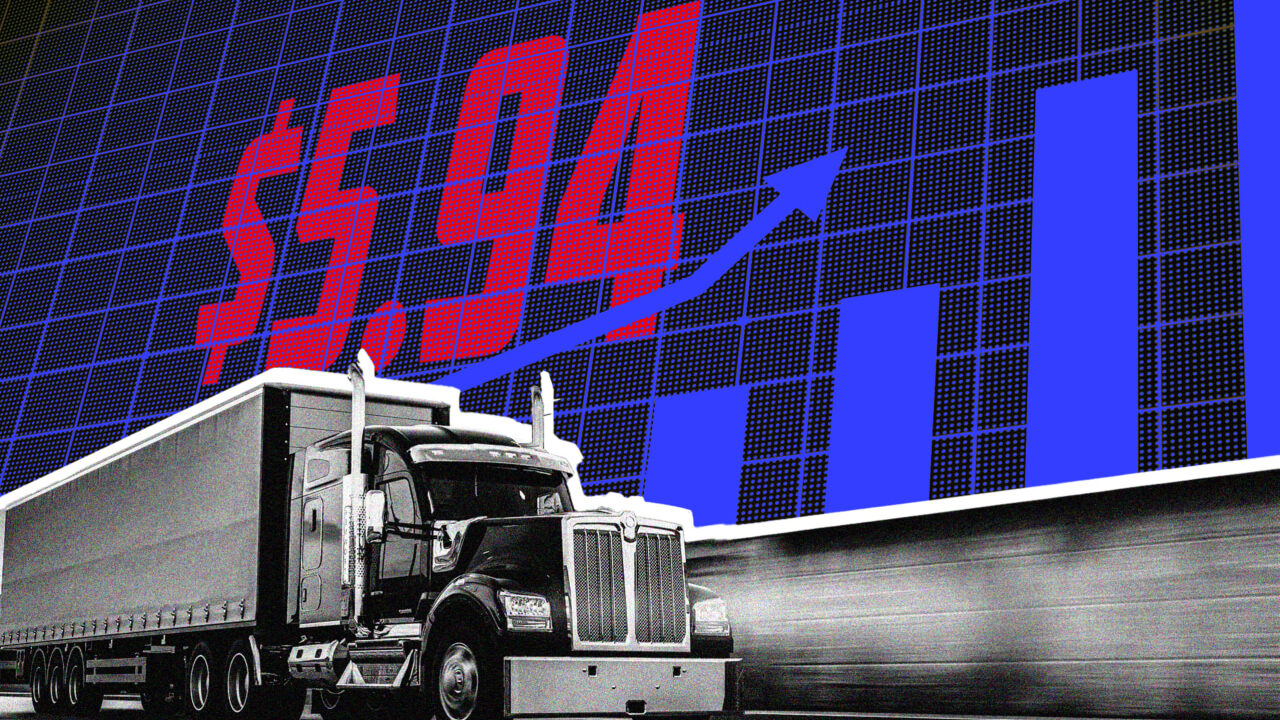
Diesel Prices Set Another Record — And It’s Headed Straight for the Fed
TREE NEWS reports: Diesel prices have climbed to a fresh all-time high, and the move is rippling far beyond the truck stop. The most economically sensitive fuel on the board — the one most drivers never pay at the pump — is now feeding directly into inflation data, corporate cost structures, and central bank deliberations in both the U.S. and Europe in the same week. That convergence is what makes this more than a commodity story.
Diesel is the circulatory system of the physical economy. It moves freight, powers construction, harvests crops, and hauls the goods that eventually land on grocery shelves. When diesel spikes, the cost is not absorbed quietly — it is passed down the chain, from logistics operators to wholesalers to retailers, and ultimately to consumers.
Why Diesel Is the Price That Matters Most
Unlike gasoline, which is heavily influenced by consumer driving demand, diesel is tied to industrial activity, global trade flows, and refining capacity. Several forces are compounding right now:
- Refining bottlenecks: Global distillate inventories remain historically tight, leaving little buffer against supply shocks.
- Geopolitical risk premium: Disruptions to crude and refined product flows have added a persistent risk premium to middle distillates.
- Structural demand: Freight, agriculture, and heating demand keep distillate consumption elevated even as broader growth slows.
The result is a cost shock that lands squarely in the “sticky” categories of inflation — the ones central banks watch most closely because they feed into expectations and wage negotiations.
Market Implications: Where the Shock Lands
Equities: Transport and logistics names — trucking, railroads, airlines, and parcel carriers — face immediate margin pressure. Consumer staples and grocery retailers will see input costs rise with a lag. Energy producers and refiners, by contrast, are relative beneficiaries of elevated crack spreads.
Bonds: A hot inflation impulse complicates the rate picture. If diesel-driven costs keep core inflation elevated, the market may price a slower path of rate cuts — or a longer hold — pushing yields higher and pressuring long-duration bonds.
Currencies: A U.S.-led inflation impulse and higher-for-longer rate expectations tend to support the dollar, particularly against currencies of energy-importing economies. The euro is especially exposed given Europe’s heavier reliance on imported distillates.
Commodities: The move reinforces a broader energy-led inflation narrative, lifting crude, heating oil, and agricultural commodities tied to diesel-intensive farming and freight.
Crypto: Digital assets remain a high-beta macro trade. A stronger dollar and rising real yields are typically headwinds, though crypto’s correlation to risk assets can cut both ways if the narrative shifts toward inflation hedging.
The Central Bank Problem
The timing is awkward. Both the Federal Reserve and the European Central Bank are navigating the final stretch of disinflation, weighing when and how quickly to ease policy. An energy-driven cost push muddies that calculus: it is the kind of inflation central banks cannot fight with rate hikes without risking a demand-driven recession, yet cannot ignore without risking unanchored expectations.
For Europe, the stakes are higher. The continent imports a large share of its diesel, making it more vulnerable to price spikes and more exposed to the growth drag that follows.
Key Takeaways for Investors
- Watch distillate inventories and crack spreads — they are leading indicators for the next leg of headline inflation.
- Position for margin pressure in transport and consumer discretionary, where diesel is a direct cost line.
- Reassess duration risk if energy costs keep core inflation sticky and delay rate cuts.
- Expect grocery prices to follow with a lag — food inflation is a downstream symptom of diesel, not a separate story.
- Treat crypto as a macro-beta asset in this regime, sensitive to dollar strength and real yields.
The headline number at the pump is easy to dismiss. The signal it sends to inflation data and central banks is not. Diesel is telling the market that the last mile of disinflation may be the hardest — and that the cost of moving things is quietly rewriting the macro outlook.