A Painful Short Turns Profitable
TREE NEWS reports: A single trader on the Hyperliquid perpetuals exchange has flipped a deeply underwater position into a seven-figure gain, illustrating both the volatility of low-float tokens and the brutal mechanics of leveraged shorting. The wallet, identified on-chain as Loracle, holds a short position in PONS worth roughly $16.3 million — equal to about 17.5% of the token’s entire open interest on the platform.
How the Trade Unfolded
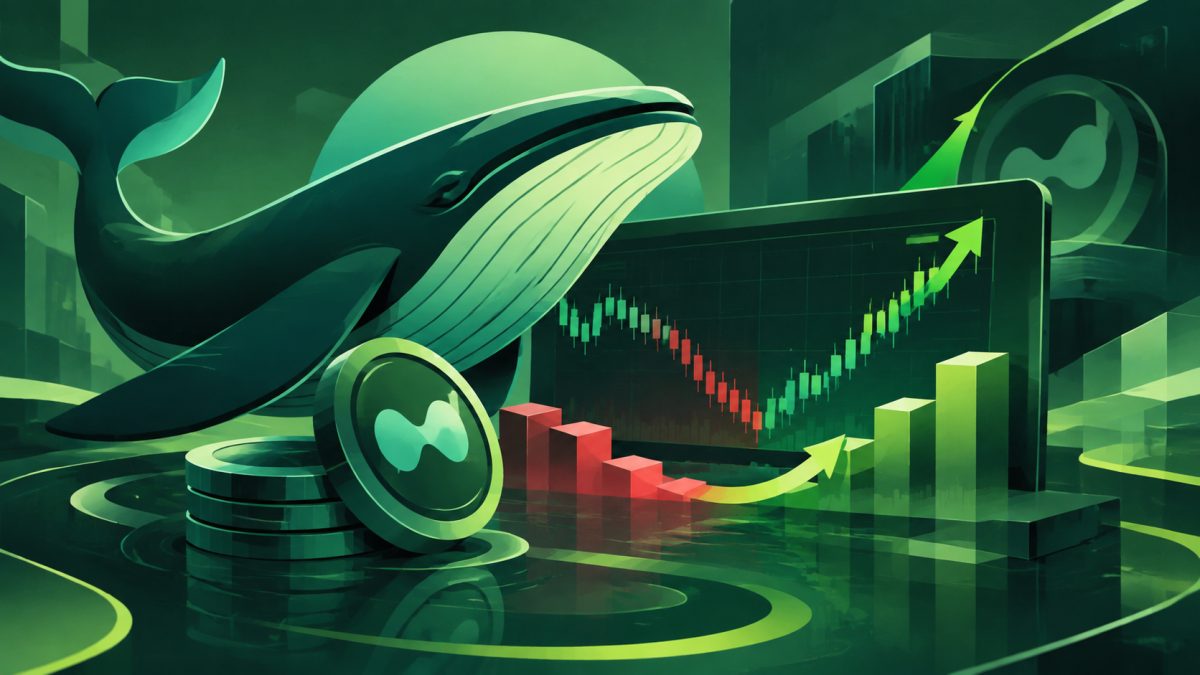
The position was opened roughly nine days ago near $0.44. Rather than cutting losses as PONS rallied, the trader added to the short, even as the token climbed to an all-time high of $0.97. At the peak of that squeeze, the position was carrying an unrealized loss of more than $8 million — the kind of drawdown that forces most leveraged traders into liquidation.
Since then, PONS has retraced sharply, and the same short now shows an unrealized profit of about $2.18 million. The round trip — from an eight-figure paper loss to a multi-million-dollar gain — is a textbook example of why position sizing and margin management matter more than directional conviction in thin markets.
Why This Matters for Hyperliquid and DeFi Perps
Hyperliquid has become the dominant venue for on-chain perpetual futures, and this episode highlights three structural features of that market:
- Concentration risk. One wallet controlling 17.5% of open interest means a single liquidation or exit could move the funding rate and price violently, dragging other traders with it.
- Low-float volatility. Tokens like PONS can double and halve within days, making short squeezes unusually violent and long squeezes unusually deep.
- Transparency as a double-edged sword. On-chain analytics let anyone track a whale’s pain in real time — which can invite copycat positioning or coordinated squeezes against a known, visible target.
The Broader Picture
Decentralized perpetual exchanges have absorbed a growing share of crypto derivatives volume, but they remain structurally different from centralized venues: liquidations are automated, oracles and funding rates are transparent, and there is no customer support desk to plead with. That transparency cuts both ways — it enables better risk analysis, but it also exposes large players to predatory behavior.
What to Watch Next
For traders, the key questions are whether Loracle begins scaling out of the position and how PONS open interest responds. A gradual unwind is likely to be absorbed smoothly; a sudden close of 17.5% of open interest could trigger a sharp, reflexive move in the opposite direction. More broadly, the episode is a reminder that on-chain derivatives are maturing into a market where whale behavior is fully visible — and where surviving a drawdown is as much about margin discipline as it is about being right.