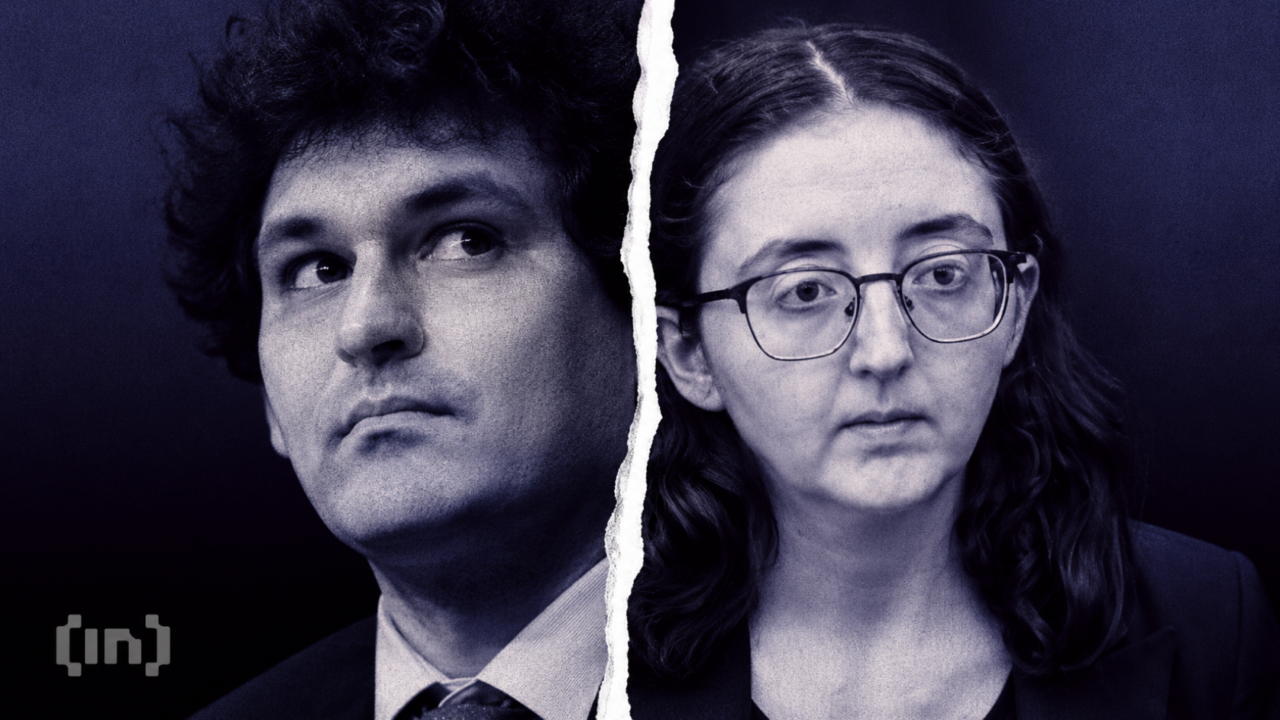
From Alameda CEO to Anonymous Charity Contributor
TREE NEWS reports: Caroline Ellison, the former CEO of Alameda Research and a central figure in the collapse of the FTX empire, has been quietly working under the name “Carol” at Manifund, a charity-focused funding platform, for roughly two months. The revelation, confirmed by Manifund’s Austin Chen, has reignited debate over accountability, rehabilitation, and the role of disgraced crypto insiders in the broader ecosystem.
Ellison pleaded guilty to fraud charges and became the prosecution’s star witness in the trials of Sam Bankman-Fried. Her cooperation earned her a substantially reduced sentence, and she has since kept a deliberately low profile — until now.
Why This Story Matters for Crypto
Ellison’s quiet re-emergence is more than a human-interest footnote. It touches on three unresolved tensions in the industry:
- Redemption vs. accountability: Chen framed the hire as a bet on rehabilitation. Critics argue that high-profile fraud participants should not be able to quietly re-enter the sector without transparency.
- Reputational risk for charities: Manifund operates in the charitable and public-goods funding space, where donor trust is everything. A concealed identity could damage that trust if handled poorly.
- The revolving door problem: Crypto has repeatedly seen fallen executives resurface in new ventures, raising questions about whether the industry has genuinely absorbed the lessons of 2022.
Manifund’s Position
Manifund is known for experimenting with novel funding mechanisms, including retroactive public goods funding and quadratic-style grant models. Its leadership has publicly leaned into the idea that people deserve second chances. Whether that philosophy survives contact with the crypto community’s intense scrutiny remains to be seen.
Forward-Looking Perspective
The episode is a stress test for how crypto handles its most notorious figures. If Ellison can contribute productively under a pseudonym without deceiving donors, it may set a precedent for quiet reintegration. If donors feel misled, the backlash could be severe. The larger lesson is structural: the industry still lacks clear norms for what former fraud defendants may do, under what disclosure rules, and with what oversight. Until those norms exist, every comeback — however well-intentioned — will be a controversy waiting to happen.