US Tightens Grip on Hormuz as Regional Conflict Widens
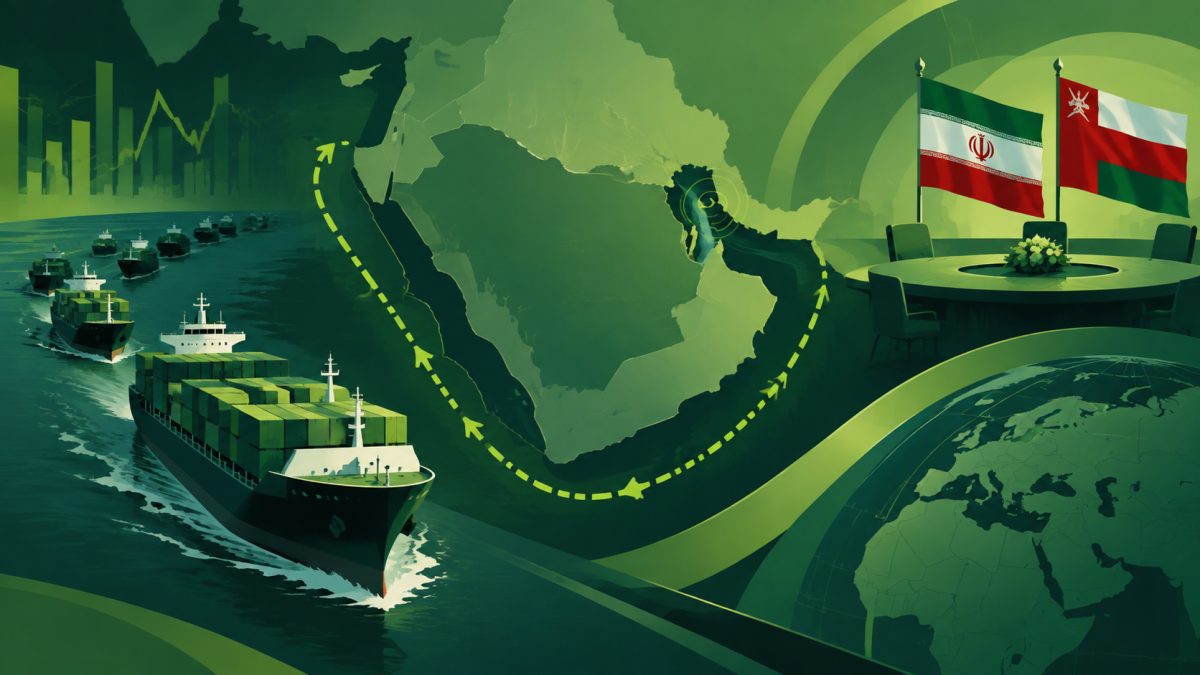
TREE NEWS reports: The Middle East crisis deepened over the weekend as the United States asserted control over the Strait of Hormuz, with US Central Command confirming that it has redirected 100 vessels over the past 60 days. The move follows a sharp escalation between Saudi Arabia and Houthi forces: the Houthis claim 129 airstrikes by Saudi Arabia in 48 hours, while Saudi officials reported two injuries from Houthi attacks. Former President Donald Trump said the war would end soon and suggested Iran may bear responsibility for attacks on Saudi pipelines. Meanwhile, Iran and Oman are negotiating navigation protocols for the strait, but Tehran insists any agreement does not imply open passage. Bahrain has refused to participate in the talks, and BRICS nations have called for restraint. Iraq’s military will investigate cross-border drone launch sites and has closed the Al-Taib border crossing. Iran’s Bushehr airport resumed international flights after a six-month hiatus.
Energy Markets Brace for Disruption
The Strait of Hormuz is the world’s most critical oil chokepoint, with roughly 20% of global petroleum liquids consumption passing through daily. The US decision to limit air-defense windows for tankers, adds a new layer of operational risk. Shipping insurers are likely to reprice war-risk premiums for vessels transiting the region, which could cascade into higher freight rates and, ultimately, elevated crude prices. For crypto markets, this geopolitical premium is a double-edged sword: Bitcoin and other risk assets often face short-term selling pressure during acute escalations, but sustained energy-driven inflation could reinforce the narrative of digital assets as a hedge against fiat debasement.
Stablecoins and Tokenized Commodities in Focus
Should the strait face partial closure or prolonged rerouting, the knock-on effects for tokenized real-world assets — particularly tokenized oil and gold — would be significant. Platforms offering commodity-backed tokens could see a surge in demand as investors seek 24/7 exposure to energy markets without direct futures contracts. Stablecoin issuers, meanwhile, may face heightened scrutiny over reserve assets if Treasury yields spike on inflation fears. DeFi lending protocols with exposure to commodity-linked collateral could also experience volatility.
Forward Look: A Fragile Equilibrium
The coming weeks will test whether Iran and Oman can establish a durable navigation framework. If talks collapse, the US may be forced into a more overt military posture, further unsettling global markets. Crypto traders should watch for spikes in Bitcoin volatility, shifts in stablecoin flows, and any uptick in on-chain activity tied to tokenized commodities. The intersection of geopolitics and blockchain finance has never been more acute — and the Strait of Hormuz is now a live stress test for both traditional and digital asset markets.