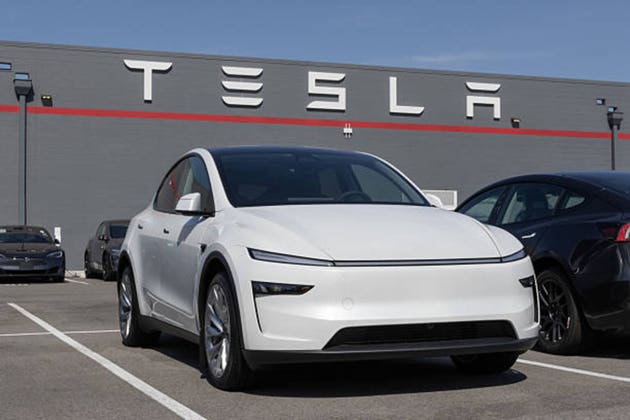
Tesla Reclaims U.S. EV Throne as Rivals Retreat
TREE NEWS reports: Tesla has regained the majority of the U.S. electric vehicle market, a striking reversal from just a year ago when its share had slipped below 50% amid a wave of new competition. The shift comes as several high-profile rivals pull back on EV production, delay factory expansions, or scale down ambitious electrification targets in response to softer-than-expected consumer demand and persistent margin pressure.
The retreat is broad-based. Legacy automakers that once pledged to go all-electric by 2030 have quietly pushed back timelines, while several startups have slashed output or filed for bankruptcy. Tesla, by contrast, has leaned on aggressive price cuts, its Supercharger network, and a refreshed model lineup to consolidate its position. The company’s U.S. market share has climbed back above the 50% threshold, underscoring just how quickly the competitive landscape has shifted.
Why This Matters for the EV Sector
Tesla’s resurgence is a double-edged signal. On one hand, it demonstrates the company’s pricing power and brand loyalty in a difficult environment. On the other, it reflects a broader slowdown in EV adoption that has forced competitors to retrench. The U.S. EV market is no longer a rising tide lifting all boats — it is a consolidation phase where scale, cost discipline, and charging infrastructure are decisive.
For investors, this has several implications:
- Tesla’s margin story improves. With less price competition from rivals, Tesla may face less pressure to cut prices further, potentially stabilizing automotive gross margins.
- EV startups face existential risk. Companies like Rivian, Lucid, and Fisker have already struggled; a shrinking competitive field could accelerate consolidation or bankruptcies.
- Battery and supplier stocks could diverge. Suppliers tied to Tesla’s supply chain may benefit, while those dependent on weaker OEMs could see order books shrink.
- Charging infrastructure becomes a moat. Tesla’s Supercharger network, now opening to other brands, is a strategic asset that rivals cannot easily replicate.
Broader Market Implications
The news lands against a backdrop of mixed macroeconomic signals. If EV demand is softening, it could weigh on industrial metals like lithium, cobalt, and nickel, which have already seen volatile pricing. Copper, a key input for EVs and grid infrastructure, could also feel pressure if electrification timelines slip.
On the equity side, Tesla’s regained dominance may reinforce its premium valuation, but it also raises questions about the total addressable market. If the U.S. EV pie is growing more slowly than expected, even a dominant Tesla faces a ceiling. Investors should watch upcoming delivery numbers, pricing trends, and any policy shifts — particularly around federal EV tax credits, which have been a tailwind for adoption.
For the broader auto sector, the retreat of rivals could mean a return to profitability for some legacy players that had been burning cash on EV programs. Ford, GM, and Stellantis have all signaled a more measured approach, prioritizing hybrids and cost control. That pivot could be rewarded by shareholders even if it slows the long-term EV transition.
Key Takeaways for Investors
- Tesla’s competitive position has strengthened, but the addressable market may be smaller than bulls hoped.
- Consolidation is underway in the EV space; weaker players face delisting, dilution, or bankruptcy.
- Commodity exposure matters. Lithium, cobalt, and copper could see demand revisions if EV growth slows.
- Policy is a wildcard. Changes to EV tax credits or emissions rules could swing adoption rates.
- Watch margins, not just volume. Tesla’s ability to hold pricing will be the key metric in coming quarters.
The EV revolution is not over, but it is entering a more Darwinian phase. Tesla’s regained majority is a testament to its scale — and a warning to everyone else.