Samsung and SK Hynix Reject KEPCO’s $19 Billion Prepaid Electricity Proposal
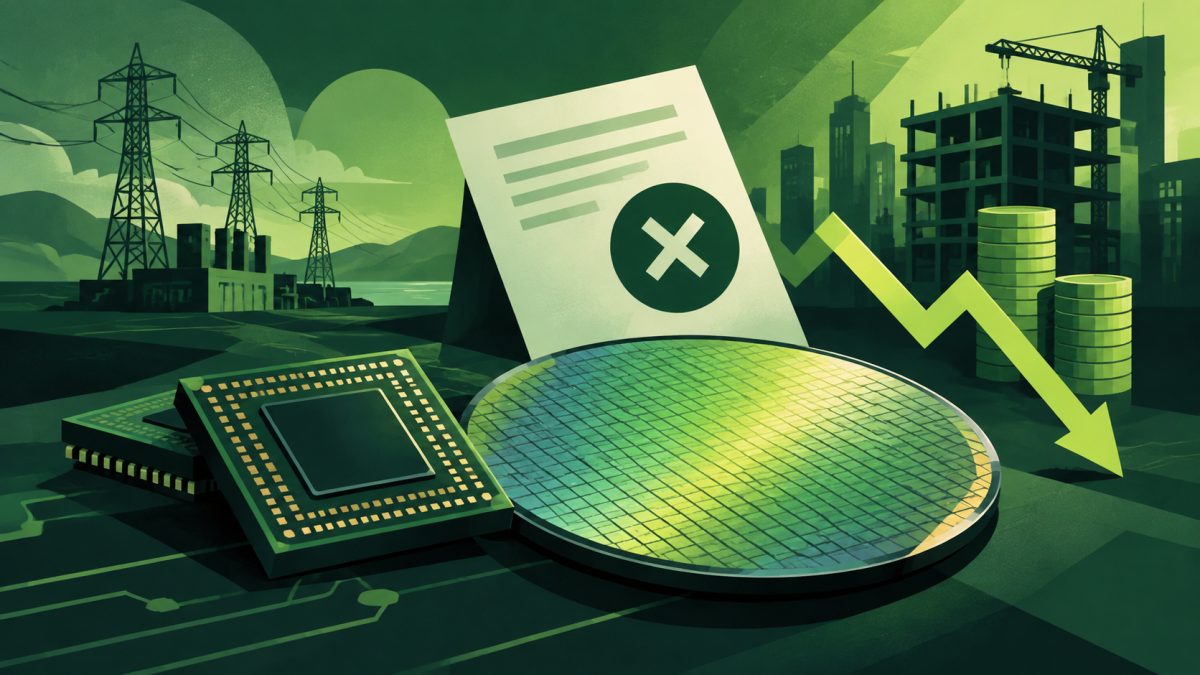
TREE NEWS reports: Samsung Electronics and SK Hynix have formally declined a proposal from Korea Electric Power Corp. (KEPCO) that would have required the two chipmakers to prepay roughly 25 trillion won (about $18.6 billion) in electricity charges to fund grid infrastructure for their planned semiconductor mega-cluster in South Korea. The companies completed internal reviews and informed KEPCO that the prepayment structure was not acceptable, according to documents provided by the office of South Korean lawmaker Lee Chul-gyu.
KEPCO had pitched the advance-payment plan as a way to finance transmission and distribution upgrades needed to support the massive new fabs Samsung and SK Hynix intend to build. Under the proposal, the chipmakers would pay for expected future power consumption upfront, giving the utility the capital to invest in grid capacity ahead of the fabs’ ramp-up. The arrangement was directly tied to the government-backed semiconductor cluster initiative, which envisions one of the world’s largest chipmaking hubs and a corresponding surge in electricity demand.
Why the Companies Said No
People familiar with the discussions indicated that uncertainty over long-term semiconductor demand was a key reason for the rejection. With capacity utilization rates and future order books still unclear, committing to a multi-billion-dollar prepayment would lock up significant capital and shift financial risk onto the chipmakers. Samsung and SK Hynix would effectively be underwriting grid construction before confirming that the fabs’ output will be needed at scale.
Market Implications
The standoff introduces a new variable into South Korea’s ambitious chip expansion plans and could ripple across several asset classes:
- Korean equities: Samsung Electronics and SK Hynix shares may see modest pressure as investors weigh potential delays or higher-than-expected infrastructure costs. However, the rejection also signals capital discipline, which could be viewed positively by shareholders concerned about oversupply in memory chips.
- Utilities and infrastructure: KEPCO now faces a financing gap for grid upgrades. If the utility has to raise debt or seek government support, it could affect its credit profile and dividend capacity. Korean utility bonds and related infrastructure plays may reprice.
- Global semiconductor supply chain: Any slowdown in the Korean cluster’s buildout could tighten long-term memory supply, indirectly supporting prices for DRAM and NAND. That would benefit rivals like Micron and potentially lift semiconductor equipment makers if timelines shift rather than cancel.
- Commodities: Delayed fabs would mean less near-term demand for copper, aluminum, and specialty gases used in construction and chipmaking. Conversely, faster grid spending would boost copper demand.
- Currencies: The Korean won is sensitive to semiconductor export prospects. Prolonged uncertainty over the cluster could weigh on the won, though the immediate FX impact is likely limited.
- Crypto: No direct impact, but broader risk sentiment around tech capex and AI-driven chip demand can influence crypto markets at the margin, particularly Bitcoin and Ethereum, which often trade as risk proxies.
Context: The Power Bottleneck
South Korea’s chip cluster is one of the most power-intensive industrial projects in the world. As AI, high-performance computing, and advanced memory demand grow, electricity availability has become a strategic constraint. The dispute highlights a broader global theme: the AI and semiconductor boom is increasingly a power infrastructure story. Governments and utilities are struggling to keep pace with the energy needs of data centers and fabs, and who pays for that buildout is becoming a contentious issue.
Key Takeaways for Investors
- Watch for signs of delays in Samsung’s and SK Hynix’s fab timelines; any slippage could tighten memory supply and support prices.
- KEPCO’s financing options — debt issuance, tariff hikes, or state support — will be key for Korean utility credit and equity investors.
- The episode reinforces the importance of power infrastructure as a bottleneck for AI and semiconductor growth, with implications for industrial metals and energy markets.
- For crypto investors, the story is a reminder that macro tech-capex trends can influence risk appetite, even without direct blockchain exposure.