Steak ‘n Shake Endorses Political Candidates in Unusual Move for a Public Restaurant Company
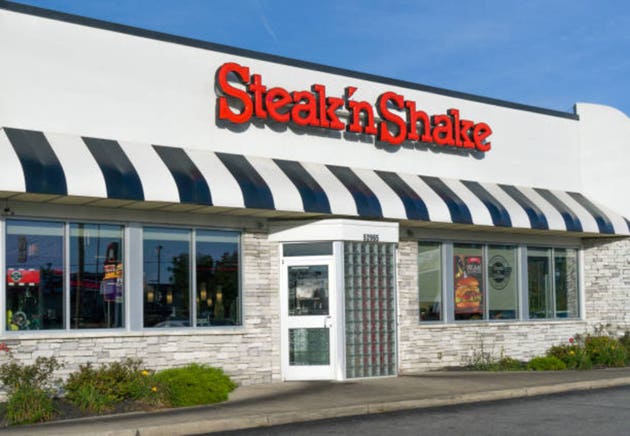
TREE NEWS reports: In a rare and potentially precedent-setting move, Steak ‘n Shake, the iconic American fast-food chain owned by Biglari Holdings (NYSE: BH), has publicly endorsed political candidates. The company, known for its steakburgers and milkshakes, announced its support for specific candidates in an upcoming election, marking an unusual foray into partisan politics for a publicly traded restaurant operator. While the exact candidates and races were not detailed in the initial announcement, the decision has sparked immediate debate among investors, consumers, and corporate governance experts.
The move is highly atypical. Most public companies avoid explicit political endorsements to prevent alienating customers, employees, and shareholders with diverse political views. However, Steak ‘n Shake’s parent, Biglari Holdings, is controlled by Chairman and CEO Sardar Biglari, who has a history of unconventional decision-making and concentrated ownership. This endorsement may reflect his personal political leanings or a calculated strategy to differentiate the brand in a crowded market.
Market Implications: Brand Risk vs. Shareholder Value
The immediate market reaction is likely to be muted, as Steak ‘n Shake is a small part of Biglari Holdings’ portfolio, which also includes Maxim and Western Sizzlin. Nevertheless, the announcement raises several important questions for investors:
- Brand Polarization: In an era of heightened political polarization, aligning a consumer brand with specific candidates can energize a base but also trigger boycotts from opposing groups. For a restaurant chain, this could impact foot traffic and same-store sales, particularly in politically diverse regions.
- Shareholder Reaction: Institutional investors and ESG-focused funds may view this as a governance risk, potentially leading to divestment or proxy battles. Biglari Holdings’ dual-class share structure, however, gives management significant control, insulating it from short-term shareholder pressure.
- Sector Contagion: If other public companies follow suit, it could reshape corporate political engagement. Already, brands like Chick-fil-A and Hobby Lobby have faced backlash for their stances, but those are private or closely held. A publicly traded chain endorsing candidates could set a new precedent, forcing investors to assess political risk as part of their due diligence.
Broader Context: Corporate Activism in a Polarized Era
This event occurs against a backdrop of increasing corporate activism. Companies have taken stands on social issues, environmental policies, and voting rights. Yet, direct candidate endorsements remain rare, especially in the consumer discretionary sector. The move could be a sign of things to come, as businesses recognize the power of political alignment to drive loyalty—or controversy.
For investors, the key takeaway is that political risk is becoming a more tangible factor in equity valuation. While Steak ‘n Shake’s action may seem isolated, it underscores the need to monitor how corporate political activities affect brand equity, consumer behavior, and ultimately, shareholder returns. In the short term, watch for any sales impact or activist investor responses. In the long term, this could be a test case for whether political endorsements enhance or erode shareholder value.
Key Takeaways for Investors
- Monitor Consumer Sentiment: Track social media buzz and sales data to gauge whether the endorsement alienates or attracts customers.
- Assess Governance Implications: Understand the company’s ownership structure and how it might shield management from backlash—or exacerbate it.
- Watch for Sector Trends: If other public companies emulate this strategy, political risk could become a standard factor in equity analysis.
- Consider the Biglari Factor: Sardar Biglari’s unconventional style means this may not be the last surprise. Evaluate the holding company’s broader strategy.
Ultimately, Steak ‘n Shake’s endorsement is a bold experiment with uncertain outcomes. It highlights the growing intersection of business, politics, and investing—and serves as a reminder that in today’s market, even a burger chain can move the needle on corporate governance debates.