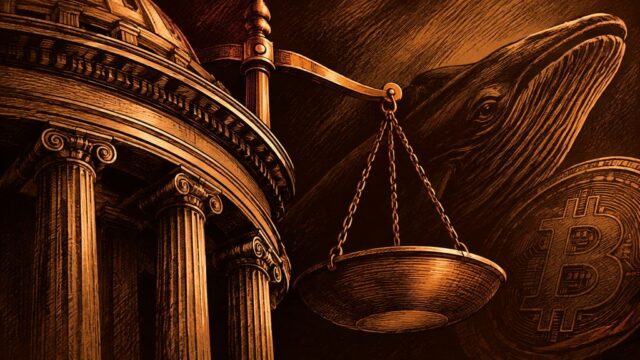
A Joint Proposal Targets Regulatory Uncertainty for Decentralized Exchanges
TREE NEWS reports: Andreessen Horowitz (a16z) and the DeFi Education Fund (DEF) have submitted a joint proposal to the U.S. Securities and Exchange Commission’s crypto task force, led by Commissioner Hester Peirce, urging the agency to establish a safe harbor framework for decentralized exchange (DEX) protocols. The proposal argues that current securities laws are ill-suited to automated, non-custodial trading systems and that without clear guidance, innovation will migrate offshore.
Why a Safe Harbor Matters
DEXs operate without a central intermediary, using smart contracts to match trades and settle transactions on-chain. This structure raises thorny questions: Who is the issuer? Who is the broker? Who is the exchange? The SEC’s existing framework, built for centralized intermediaries, offers no clear answers. A safe harbor would provide temporary relief from enforcement for projects that meet certain decentralization criteria, allowing them to build and iterate without fear of retroactive penalties.
The proposal likely draws on earlier safe harbor concepts, such as Peirce’s own token safe harbor 2.0, which envisioned a three-year grace period for projects to achieve sufficient decentralization. For DEXs, the criteria might include open-source code, no single controlling entity, and transparent governance.
Industry Implications
If adopted, a safe harbor could unlock a wave of institutional capital into DeFi. Many traditional firms have stayed on the sidelines due to regulatory risk. Clear rules would also reduce the compliance burden on developers, who currently face the impossible task of applying 1930s securities law to 21st-century technology.
However, the proposal faces hurdles. The SEC’s crypto task force can recommend policy, but formal rulemaking requires Commission approval and public comment. Political resistance remains, and some consumer advocates argue that safe harbors could weaken investor protections. The outcome will depend on how the SEC balances innovation with its mandate to protect investors.
Forward-Looking Perspective
The joint proposal signals a maturing dialogue between the crypto industry and regulators. Rather than fighting enforcement actions, major players are now offering constructive frameworks. If the SEC engages, it could set a global precedent for how decentralized finance is regulated. If it stonewalls, the U.S. risks losing its competitive edge to jurisdictions like the EU, Singapore, and the UAE, which are moving faster on comprehensive crypto rules.
For now, the ball is in the SEC’s court. The agency’s response will be a key indicator of whether the U.S. is ready to embrace DeFi or continue its punitive approach.