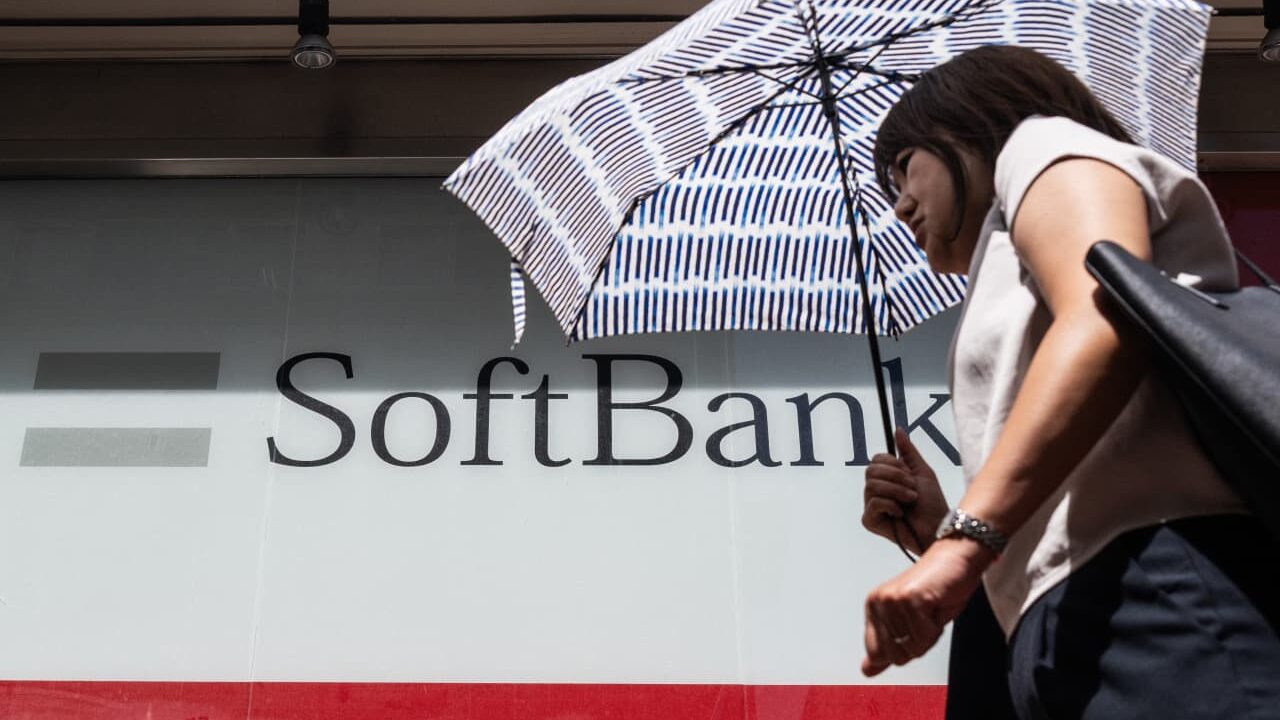
SoftBank Taps Junk Bond Market to Fund AI Ambitions
TREE NEWS reports: SoftBank has launched a multi-billion-dollar high-yield bond offering, marking one of the largest junk-bond deals of the year and a clear signal that the artificial intelligence build-out is now being financed through the riskiest corners of the credit market. The Japanese conglomerate, led by CEO Masayoshi Son, is raising capital to fund its sprawling AI investments, including chip designer Arm, various AI startups, and data-center infrastructure. The bonds carry a substantial yield premium over investment-grade debt, reflecting investor demand for higher compensation given SoftBank’s leveraged balance sheet and the speculative nature of its AI bets.
Why This Matters: The AI Trade Meets the Credit Cycle
Until now, the AI investment boom has been largely an equity story — Nvidia’s meteoric rise, Microsoft and Google’s massive capex plans, and a parade of AI startups commanding sky-high valuations. SoftBank’s move into junk-bond territory signals a shift: the capital required to sustain the AI build-out is outstripping what equity markets and investment-grade debt can comfortably supply. When a company of SoftBank’s profile must pay junk-level yields, it sets a benchmark that other AI-focused borrowers will inevitably face. This could slow the pace of AI infrastructure spending, particularly for smaller players, and force a reassessment of return timelines across the sector.
Market Implications Across Asset Classes
- Equities: AI-linked stocks — Nvidia, AMD, Broadcom, and data-center REITs — could face pressure if investors conclude that financing costs are rising faster than AI revenue. SoftBank’s own shares and its portfolio companies (Arm, Coupang, and various unlisted AI ventures) are directly in focus. A repricing of AI equities on higher discount rates is a real risk.
- Bonds: The deal adds supply to an already busy high-yield pipeline. If demand is strong, it signals that yield-hungry investors remain willing to finance speculative tech. If the deal prices wide or trades poorly, it could be an early warning of credit-market stress. Watch the spread between BB and CCC rated tech debt.
- Crypto: Risk assets are correlated. A rising cost of capital for AI — the defining speculative theme of this cycle — could spill over into crypto, particularly AI-adjacent tokens and decentralized compute projects. Bitcoin and Ethereum, as macro-sensitive risk assets, may feel secondary effects if broader liquidity conditions tighten.
- Commodities: Data centers are power-hungry. Higher financing costs could delay some projects, softening demand for electricity, copper, and uranium tied to AI infrastructure. Conversely, if the build-out continues regardless, commodity demand remains robust.
- Currencies: SoftBank’s dollar-denominated issuance supports dollar demand. A widening yield premium on Japanese corporate debt could weigh on the yen if it signals broader risk aversion toward Japan’s leveraged corporate sector.
Context: The End of Cheap Money for AI
The era of near-zero interest rates allowed speculative technology ventures to borrow cheaply and promise distant returns. That era is over. With central banks maintaining restrictive policy and credit spreads on speculative debt widening, the AI race is entering a more disciplined phase. Companies with strong cash flows — Microsoft, Google, Amazon — can self-fund. Those reliant on external capital, like SoftBank and many AI startups, must now pay up. This dynamic could accelerate consolidation in the AI space, favoring incumbents with fortress balance sheets over highly leveraged challengers.
Key Takeaways for Investors
- Watch credit markets as a leading indicator for AI equities. If junk-bond investors demand ever-higher yields from AI borrowers, equity valuations will eventually follow.
- Differentiate between AI haves and have-nots. Cash-rich mega-caps are insulated; leveraged AI plays are vulnerable.
- Monitor SoftBank’s deal pricing and secondary trading. A weak reception would be a significant warning sign for risk assets broadly.
- Consider portfolio exposure to rising financing costs. Sectors dependent on cheap debt — data centers, speculative tech, crypto — face headwinds.
- Don’t ignore second-order effects. Higher capital costs for AI could ripple into energy, commodities, and currency markets in ways that are not immediately obvious.
The AI revolution is real, but it is no longer cheap to finance. SoftBank’s junk-bond deal is the clearest evidence yet that the market is repricing the cost of ambition.