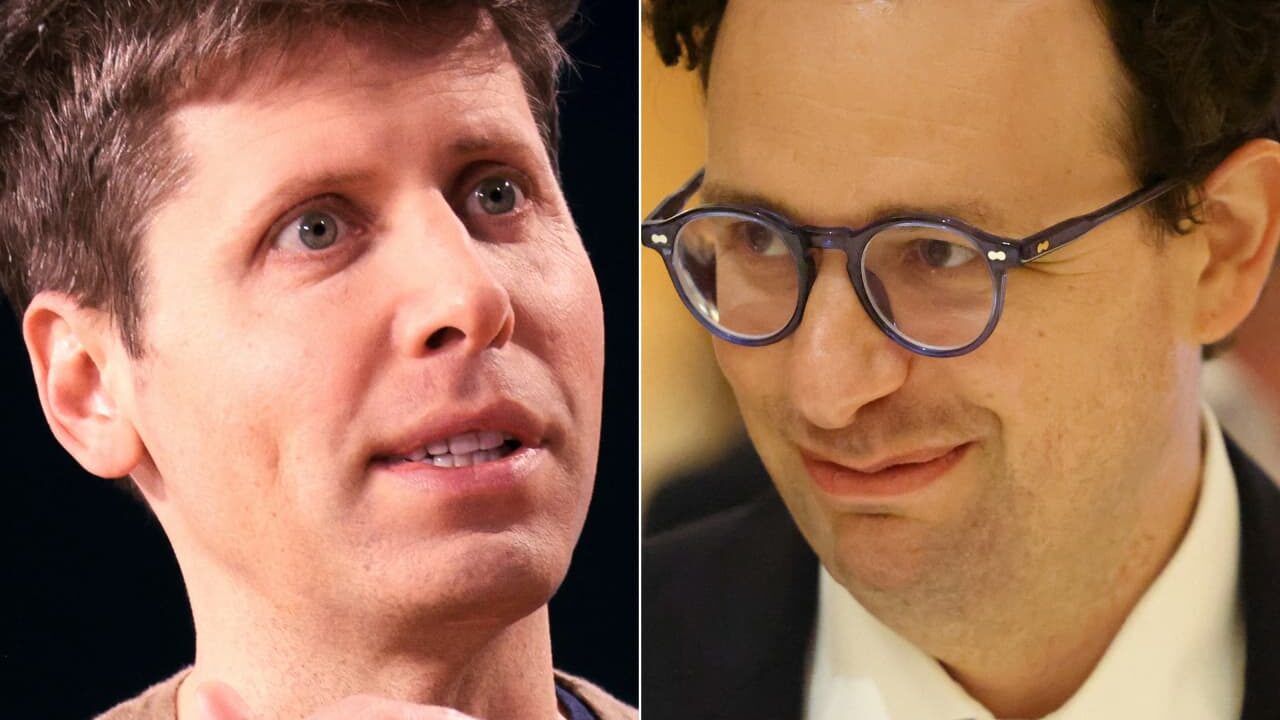
OpenAI and Anthropic CEOs Urge Global AI Standards at U.N. as Fears Mount
TREE NEWS reports: Sam Altman, CEO of OpenAI, and Dario Amodei, CEO of Anthropic, on Wednesday jointly addressed United Nations members, calling for coordinated international standards for artificial intelligence. The two executives, whose companies are at the forefront of large language model development, asked governments to work together on safety, transparency, and accountability frameworks. The appeal comes amid growing anxiety over AI’s rapid advancement, its potential to disrupt labor markets, and its use in disinformation and cyberattacks.
What Happened
In a rare joint appearance, Altman and Amodei told U.N. delegates that AI development is outpacing regulation and that a fragmented approach could lead to a race to the bottom. They proposed a global body to set technical standards, share research on AI risks, and ensure that powerful models are developed responsibly. While neither executive offered specific policy prescriptions, their message was clear: international cooperation is essential to avoid catastrophic outcomes and to harness AI’s benefits safely.
Market Implications
The immediate market reaction was muted, but the long-term implications are significant. For stocks, the push for global standards could shape the regulatory landscape for AI companies. While clearer rules might increase compliance costs, they could also provide a competitive advantage to established players like OpenAI and Anthropic, which have the resources to adapt. Investors in AI-focused equities, including Nvidia, Microsoft, and Alphabet, should monitor how these standards evolve, as they could affect everything from data privacy to export controls.
In bonds, the story is less direct. However, if AI regulation leads to increased government spending on oversight and infrastructure, it could influence fiscal policy and, eventually, interest rates. For now, the impact is likely neutral.
Cryptocurrencies and decentralized AI projects could be affected in nuanced ways. Global AI standards might legitimize certain AI applications, boosting tokens tied to decentralized compute networks and AI marketplaces. Conversely, stricter rules could hinder innovation in the crypto-AI space, particularly if they impose heavy compliance burdens on decentralized projects. Tokens like FET, AGIX, and RNDR, which are linked to AI and machine learning, may see increased volatility as the market digests the news.
Commodities could feel indirect effects. AI development drives demand for semiconductors, rare earths, and energy. If global standards accelerate AI adoption, demand for these inputs could rise, supporting prices for copper, lithium, and other critical minerals. Currencies are unlikely to see a direct impact, though the U.S. dollar’s role in tech trade could be influenced if AI standards lead to new trade agreements.
Why This Matters for Investors
The CEOs’ appeal underscores a pivotal moment: AI is transitioning from a wild-west phase to a regulated industry. For investors, this means opportunity and risk. Companies that can navigate the emerging regulatory framework will likely emerge stronger, while those that resist could face penalties or exclusion from key markets. The push for global standards also signals that AI is becoming a geopolitical issue, with nations competing to set the rules. Investors should watch for concrete policy proposals from the U.N. or individual countries, as these will be the catalysts for market moves. In the crypto space, the intersection of AI and blockchain could see both tailwinds and headwinds, making it essential to differentiate between projects with real utility and those riding the hype.
Key Takeaways
- OpenAI and Anthropic CEOs called for global AI standards at the U.N., signaling a shift toward regulation.
- AI-focused stocks may benefit from clearer rules, but compliance costs could rise.
- Crypto-AI tokens could see volatility as the market assesses regulatory implications.
- Commodities tied to AI hardware (semiconductors, rare earths) may see increased demand.
- Investors should monitor policy developments for catalysts and adjust portfolios accordingly.