Trump-Xi Summit Ends With Trade Truce Extension, No Broader Breakthrough
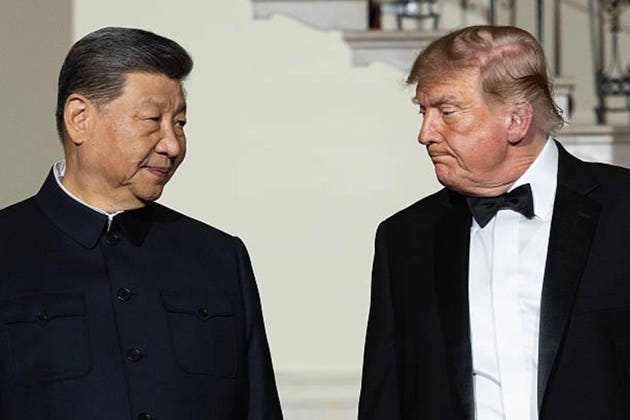
TREE NEWS reports: The high-stakes summit between U.S. President Donald Trump and Chinese President Xi Jinping concluded with both sides agreeing to extend the existing trade truce, averting an immediate escalation of tariffs that had been scheduled to take effect. However, the meeting produced no substantive progress on the structural issues that have defined the trade war: intellectual property protections, forced technology transfers, state subsidies for Chinese industries, and the overall size of the bilateral trade deficit. Markets had priced in a modestly positive outcome, and the extension delivers exactly that — nothing more, nothing less.
The truce extension means existing tariffs remain in place, but no new levies are imposed and no existing ones are rolled back. Negotiators from both countries will continue talks, with a follow-up round expected in the coming months. The lack of a formal agreement or a timetable for resolving core disputes leaves the door open for future escalation.
Market Implications
Equities: U.S. and Chinese equity markets are likely to react with cautious relief. The absence of new tariffs removes a near-term overhang, but the failure to reach a broader deal caps upside. Export-oriented sectors — semiconductors, agriculture, aerospace, and industrial machinery — may see muted moves. Chinese A-shares and Hong Kong-listed tech names could benefit from the removal of immediate escalation risk, though the structural overhang remains. U.S. companies with significant China exposure, such as Apple, Boeing, and Caterpillar, may see limited relief rallies that fade as investors refocus on unresolved issues.
Bonds: Safe-haven demand for U.S. Treasuries may ease slightly as the tail risk of an immediate trade rupture fades. However, with no resolution on the trade deficit or intellectual property, the longer-term uncertainty keeps a floor under bond prices. Yields could drift marginally higher on the extension news, but the move is likely to be modest.
Crypto: Digital assets have increasingly traded as a risk-on proxy and a hedge against geopolitical uncertainty. A trade truce extension is mildly risk-positive, which could support Bitcoin and major altcoins in the short term. However, crypto markets are currently more focused on domestic regulatory developments and ETF flows than on trade policy. The impact here is likely second-order.
Commodities: Agricultural commodities — soybeans, pork, corn — are the most directly sensitive to trade war developments. The truce extension removes the immediate threat of Chinese retaliatory purchases being halted, but without a commitment to increase purchases, prices may remain range-bound. Industrial metals like copper and aluminum could see a small bounce on reduced tariff risk, while oil remains driven more by OPEC+ dynamics and global demand than by trade headlines.
Currencies: The Chinese yuan is likely to stabilize on the news, as the extension reduces the risk of a sharp depreciation in response to new tariffs. The U.S. dollar may give back some safe-haven gains. The offshore yuan (CNH) and emerging market currencies broadly could see modest strength.
Why This Matters for Investors
The trade truce extension is a classic “buy the absence of bad news” event. It removes a near-term risk but does nothing to resolve the structural tensions that have reshaped global supply chains over the past several years. Investors should recognize that the underlying conflict remains unresolved, and the next escalation could come with little warning.
For portfolio positioning, this environment favors diversification across geographies and asset classes. Companies with resilient domestic demand and limited China exposure may outperform. In fixed income, the modest easing of tail risk argues for a slight reduction in duration, but not a wholesale shift. In crypto, the macro backdrop remains supportive but not decisive.
Key Takeaways
- Trade truce extended, but no structural breakthrough on tariffs, IP, or subsidies.
- Equities may see a relief rally that fades as focus returns to unresolved issues.
- Bond yields could drift slightly higher as safe-haven demand eases.
- Crypto impact is second-order; domestic regulatory and ETF flows dominate.
- Agricultural and industrial commodities may see modest, short-lived moves.
- The yuan and emerging market currencies are likely to stabilize.
- Investors should prepare for continued volatility and avoid over-positioning for a permanent resolution.