Iran Open to Nuclear Compromise, Says President
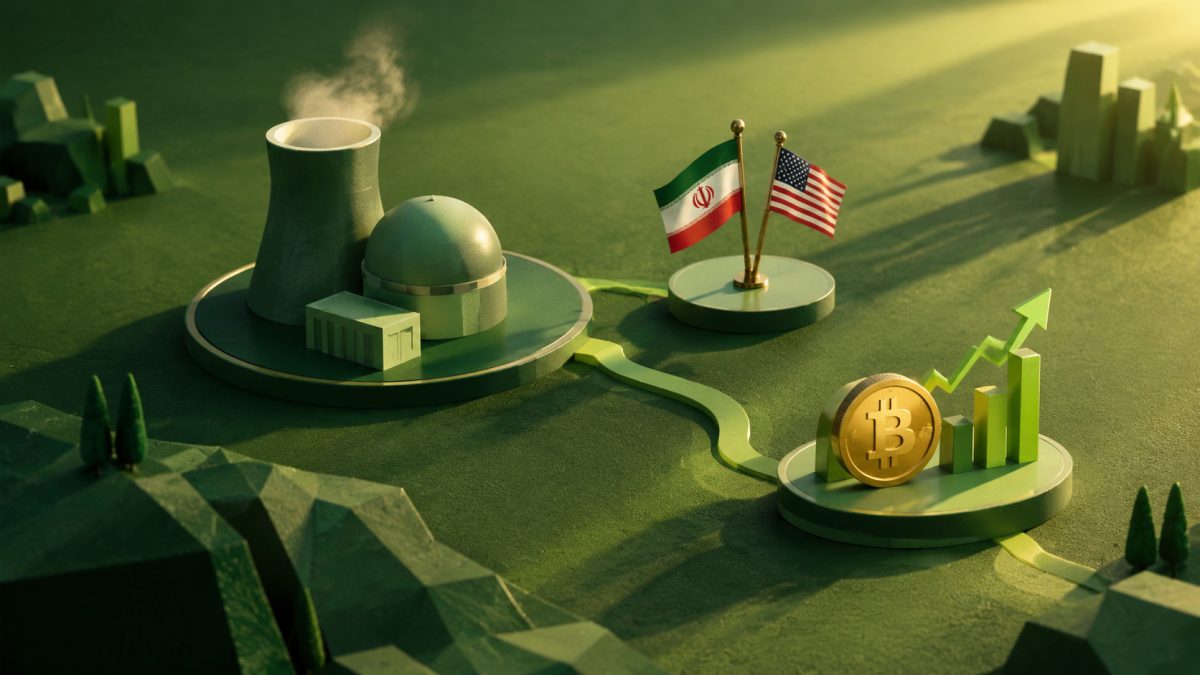
TREE NEWS reports: Iranian President Masoud Pezeshkian has reaffirmed that Tehran “completely” does not seek nuclear weapons and is willing to lower uranium enrichment levels and accept international inspections within the framework of international law. He also stated that Iran did not choose war and does not seek it, adding that a previously signed Iran-US memorandum of understanding remains the basis for continued negotiations.
Why This Matters Beyond Geopolitics
For crypto and digital-asset markets, Middle East de-escalation is a macro signal, not a headline to ignore. Iran sits at the intersection of several forces that have shaped crypto flows over the past three years: sanctions regimes, oil prices, and the broader risk appetite of global capital.
Three transmission channels matter most:
- Oil and inflation: Reduced geopolitical risk premium on crude typically eases headline inflation, softening the case for aggressive rate hikes and supporting risk assets — including Bitcoin and high-beta altcoins.
- Sanctions and stablecoins: Any thawing of US-Iran tensions could gradually reshape the compliance landscape around dollar-denominated stablecoins, which have been scrutinized for sanctions-evasion use. A diplomatic track reduces the urgency of further enforcement crackdowns.
- Risk sentiment: Crypto remains highly correlated with Nasdaq and global liquidity. A credible de-escalation path is a tailwind for risk-on positioning.
The Sanctions Angle Is the Real Story
Iran has been a recurring case study in crypto policy debates. Chain-analytics firms have long tracked Iranian mining operations and sanctioned wallets, and US lawmakers have repeatedly cited Iran to justify tighter stablecoin rules. If negotiations progress, expect two competing narratives to emerge: one arguing that engagement reduces the need for blunt enforcement, and another warning that any relief opens the door to renewed illicit finance.
Either way, the regulatory conversation will not disappear. Stablecoin legislation, Treasury sanctions authority, and exchange compliance standards are already in motion in Washington, largely independent of the Iran file.
Forward-Looking Perspective
Markets should treat this as a slow-burn macro positive rather than an immediate catalyst. Talks can stall, and past negotiations have repeatedly collapsed. But a sustained diplomatic track would lower the geopolitical risk premium embedded in energy and emerging-market assets — a backdrop that historically favors Bitcoin’s “digital gold” narrative and broader crypto risk appetite.
Watch three things: progress on the memorandum of understanding, IAEA inspection access, and whether Washington adjusts any Iran-related crypto sanctions guidance. The last item would be the clearest signal that geopolitics is translating into actual policy change for digital assets.