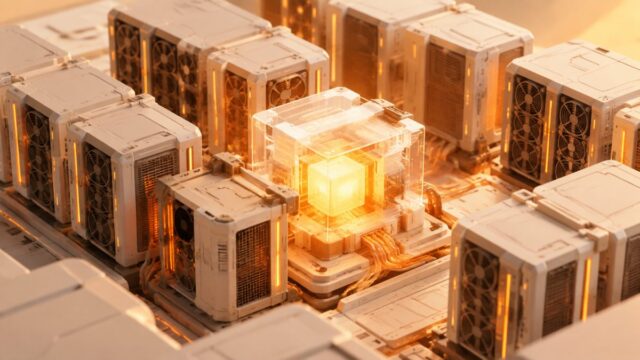
Musk Signals Massive AI Compute Expansion at Colossus 2
TREE NEWS reports: Elon Musk announced on social media platform X on September 25 that his artificial intelligence company xAI is accelerating the expansion of its AI computing infrastructure. The Colossus 2 cluster currently operates 550,000 Nvidia chips — comprising 110,000 GB200 and 440,000 GB300 units — with total chip count potentially more than doubling by the end of the year.
Musk disclosed an aggressive deployment schedule: 220,000 GB300 chips are expected to come online next week, with another 220,000 arriving in November. If progress remains on track, an additional 220,000 GB300 units could be deployed before the end of December. Under this timeline, Colossus 2 could add up to 660,000 new GB300 chips by year-end, bringing the total to approximately 1.21 million units — a roughly 120% increase from current levels.
The expansion is almost entirely dependent on Nvidia’s GB300 hardware, underscoring the chipmaker’s central role in the AI infrastructure arms race. Musk also revealed that Colossus 1 currently houses 150,000 H100, 50,000 H200, and 30,000 GB200 chips. xAI has previously stated plans to equip its Memphis, Tennessee data center with 1 million GPUs by 2026.
Market Implications: Nvidia and the AI Supply Chain
The announcement reinforces Nvidia’s dominant position in the AI accelerator market and signals that demand for its latest-generation chips remains robust well into 2026. For investors, the key implications span several asset classes:
- Nvidia (NVDA) and semiconductor stocks: The disclosure provides fresh evidence that hyperscaler and AI-native demand for GB300 chips is not slowing. This could support valuations across Nvidia’s supply chain, including TSMC, SK Hynix, and memory manufacturers benefiting from HBM demand.
- AI infrastructure and data center REITs: Musk’s Memphis buildout highlights the broader trend of massive capital expenditure flowing into data center capacity, power infrastructure, and cooling systems. Companies exposed to data center construction and energy supply could see continued tailwinds.
- Power and utilities: Running over a million GPUs requires enormous electricity. The expansion intensifies scrutiny on regional power grids and could accelerate investment in nuclear, natural gas, and renewable energy sources to feed AI data centers.
- Competitive landscape: xAI’s rapid scaling raises the competitive stakes for OpenAI, Google DeepMind, Meta, and Anthropic. Investors in these ecosystems — whether through direct equity or through cloud providers like Microsoft, Amazon, and Google — should monitor whether rivals respond with similar capex commitments.
- Crypto and decentralized compute: While xAI’s expansion is centralized, the sheer scale of GPU demand could indirectly benefit decentralized compute networks that offer alternative training and inference capacity, particularly if centralized supply chains face bottlenecks.
Why This Matters for Investors
The AI infrastructure buildout remains one of the most powerful secular themes in global markets. Musk’s disclosure is not merely a corporate update — it is a signal that the race to scale AI compute is far from peaking. For equity investors, this supports a constructive view on semiconductor and data center infrastructure plays. For macro investors, it reinforces expectations of sustained capital expenditure growth in the technology sector, with potential implications for productivity, energy demand, and inflation dynamics in the medium term.
However, risks remain. Execution timelines for chip deployment can slip, power constraints could delay operations, and any slowdown in AI model monetization could eventually temper the pace of infrastructure spending. Investors should weigh these factors carefully when positioning for the AI theme.
Key Takeaways
- xAI plans to expand Colossus 2 from 550,000 to approximately 1.21 million Nvidia chips by end-2025, a 120% increase.
- The expansion is overwhelmingly GB300-driven, reinforcing Nvidia’s central role in AI infrastructure.
- Semiconductor, data center, and power/utility stocks stand to benefit from sustained AI capex.
- Competitive pressure on OpenAI, Google, and Meta intensifies as xAI scales aggressively.
- Execution and power supply risks warrant monitoring despite the bullish narrative.