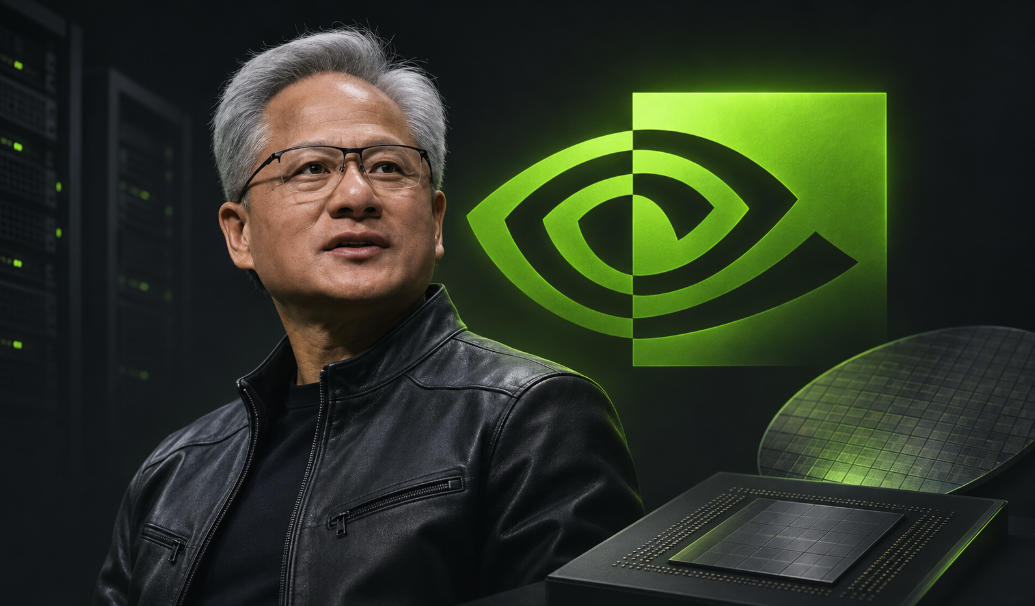
The Huang Factor: More Than a CEO
TREE NEWS reports: Jensen Huang’s departure from Nvidia—whether real, rumored, or hypothetical—has sent ripples through the AI and semiconductor worlds. Huang is not merely a chief executive; he is the architect of Nvidia’s CUDA ecosystem, the company’s strategic compass, and its most effective diplomat in navigating US-China export controls. His potential exit exposes a concentration risk that few in the industry have been willing to confront: Nvidia’s dominance is deeply personal.
Concentration Risk and Supply Chain Fragility
Under Huang, Nvidia has pursued an aggressive, vertically integrated strategy—locking in TSMC capacity, controlling software stacks, and shaping the pace of AI hardware innovation. A professional manager succeeding him would likely pivot toward conservative financial management: prioritizing dividends, share buybacks, and margin stability over risky capacity expansions. That shift could slow the company’s ability to meet soaring AI demand and accelerate the migration of major cloud providers and AI labs toward alternative accelerators.
The implications extend beyond Nvidia’s balance sheet. The global AI supply chain—already strained by export restrictions and geopolitical tensions—would face new uncertainty. Open-source ecosystems, particularly low-level operator libraries and CUDA alternatives, could suffer from reduced investment and fragmentation. Chinese AI labs, already forced to innovate under sanctions, would double down on domestic accelerators, while US cloud giants might accelerate in-house chip programs.
Winners and Losers in a Post-Huang Era
- Non-Nvidia chipmakers: AMD, Intel, and custom ASIC developers like Broadcom and Marvell could capture share as hyperscalers diversify.
- Chinese AI ecosystem: Huawei’s Ascend, Cambricon, and other domestic accelerators would gain further traction, supported by state-backed initiatives.
- Open-source software: Projects like OpenCL, SYCL, and Triton may see increased adoption as developers seek hardware-agnostic solutions.
- Nvidia’s moat: CUDA’s stickiness remains formidable, but a less visionary leadership could erode developer loyalty over time.
Forward Outlook: A More Fragmented AI World
The long-term trajectory points toward a more multipolar AI hardware landscape. Nvidia will remain a dominant player, but its ability to single-handedly dictate industry roadmaps will diminish. Investors should watch for signs of strategy drift—such as increased buybacks or reduced R&D spending—as early indicators of a post-Huang Nvidia. Meanwhile, the decoupling of US and Chinese AI stacks will accelerate, with each side building redundant supply chains. For the broader AI economy, the risk is not the loss of one leader but the loss of a unifying force that has, so far, kept the global AI supply chain remarkably coherent.