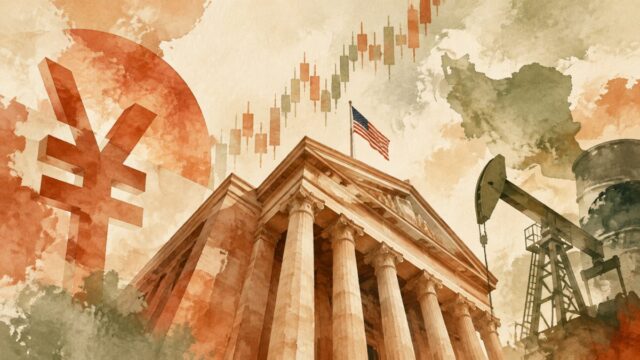
Trump Rejects Iran Ceasefire Proposal, Floats Resumption of Bombing After Midterms
TREE NEWS reports: President Donald Trump has rejected a seven-day ceasefire proposal from Iran and told advisers he expects to resume bombing campaigns against the country after the November midterm elections.S. officials familiar with the discussions. The Iranian offer, presented at a Qatar meeting last Sunday, would have reopened the Strait of Hormuz and restarted nuclear negotiations in exchange for the U.S. lifting its naval blockade, unfreezing some Iranian assets, and removing sanctions on Iranian oil exports.
Washington has made clear to Tehran and regional mediators that it has no intention of lifting the maritime blockade, betting that sustained economic pressure will eventually force Tehran to accept terms favorable to the U.S. and Gulf Arab states. A U.S.-led operation to escort tankers through the Strait has, officials say, reduced the urgency of reaching a deal. The news lands as the seven-month-old conflict tilts further toward hostility, even as indirect contacts continue and one official described ongoing talks over the Strait and renewed negotiations as “active and constructive.”
Market Implications: An Oil Risk Premium That Won’t Go Away
The immediate read-through is for energy markets. The Strait of Hormuz carries roughly a fifth of global oil and a significant share of LNG, so any credible threat to transit keeps a geopolitical risk premium embedded in crude prices. A ceasefire would have compressed that premium quickly; its rejection means traders must now price a wider distribution of outcomes, including a renewed shooting war after November.
- Oil and gas: Brent and WTI are likely to hold a firmer floor, with upside spikes on any naval incident, tanker seizure, or strike headline. Refining margins and tanker rates could stay elevated while the escort operation continues.
- Equities: Higher-for-longer energy costs feed inflation expectations, pressuring rate-sensitive growth and tech names while supporting energy majors and defense contractors. Airlines, chemicals, and transport face margin headwinds.
- Bonds: A persistent oil premium complicates the disinflation narrative, keeping long-end yields sticky and steepening curves if investors demand more compensation for geopolitical and fiscal risk.
- Gold and safe havens: Uncertainty over a post-election escalation supports gold, the dollar, and Swiss franc demand as portfolio hedges.
- Crypto: Bitcoin and major tokens have increasingly traded as high-beta liquidity assets. A risk-off oil shock could weigh on prices in the short term, though geopolitical stress and dollar uncertainty have also historically driven demand for hard-capped and non-sovereign assets.
- Currencies: Gulf and oil-importing emerging-market currencies remain vulnerable, while the dollar retains a safe-haven bid.
Why This Matters for Investors
The key takeaway is that the war-and-peace ambiguity is resolving toward confrontation, at least on the current trajectory. Trump’s position is not monolithic: since the conflict began in February, he has oscillated among diplomacy, airstrikes, and tighter sanctions, and the midterm outcome could reshape his calculus. Iran’s internal politics add another layer, with the Islamic Revolutionary Guard Corps, which has effectively run the country during the war, rejecting new frameworks and claiming readiness for a protracted fight.
For portfolios, this argues for maintaining explicit energy and safe-haven exposure, stress-testing inflation assumptions, and treating headline risk around the Strait of Hormuz as a structural feature rather than a passing event. Negotiations have not collapsed, and a deal could still surprise to the upside, but the balance of risks has shifted toward volatility.