Fed’s Cook Flags AI Boom and Middle East Tensions as New Inflation Risks
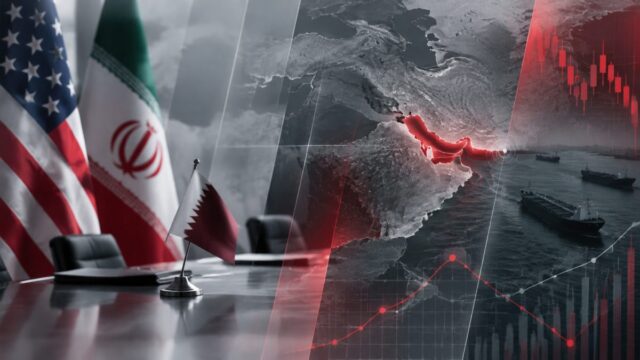
TREE NEWS reports: Federal Reserve Governor Lisa Cook said the U.S. economy is likely to face renewed inflationary pressure in the coming months from two distinct sources: the rapid expansion of the artificial intelligence industry and ongoing geopolitical tensions in the Middle East. Cook noted that AI-driven growth could lift demand for electricity and infrastructure investment, adding upward pressure on core price measures, while energy supply chains remain vulnerable to escalation in the Middle East.
Why AI Is Now a Macro Variable
The remarks mark a notable shift in how central bankers frame AI. What was once treated as a productivity story is increasingly viewed as a demand-side shock. Data centers, advanced chips, and power generation require enormous capital expenditure, and that spending can tighten capacity in electricity markets, construction, and specialized labor. If those bottlenecks persist, they can feed into core inflation even as goods prices cool.
- Power demand from AI data centers is rising faster than grid capacity in several U.S. regions.
- Infrastructure and construction costs are sensitive to sustained capex cycles.
- Energy price shocks can pass through to transport, manufacturing, and consumer prices.
Implications for Crypto Markets
For digital-asset investors, Cook’s comments matter because they shape the rate path. A Fed that sees sticky inflation is less likely to cut aggressively, which tends to weigh on risk assets, including bitcoin and altcoins. Yet the same AI narrative has become a powerful driver for crypto-adjacent sectors: decentralized compute networks, GPU marketplaces, and tokenized energy or infrastructure projects. If AI capex keeps inflation elevated, the Fed stays cautious, but demand for compute and energy solutions may keep flowing into on-chain infrastructure.
Middle East risk adds a second layer. Energy supply disruptions historically push oil higher, lift inflation expectations, and strengthen the dollar, a combination that has often pressured crypto in the short term. However, bitcoin’s role as a geopolitical hedge narrative tends to resurface during prolonged conflicts, particularly in markets with capital controls.
Forward Look
Investors should watch three signals: U.S. electricity price data and data-center capex guidance, oil and shipping insurance rates tied to Middle East routes, and Fed communication around core services inflation. If AI-driven demand and energy risk both persist, the Fed may keep rates higher for longer, delaying the liquidity rotation that crypto bulls have been anticipating. The flip side is that any softening in either factor could quickly revive risk appetite. For now, the macro backdrop argues for caution, selective exposure to AI-adjacent crypto infrastructure, and close attention to energy markets as a leading indicator.