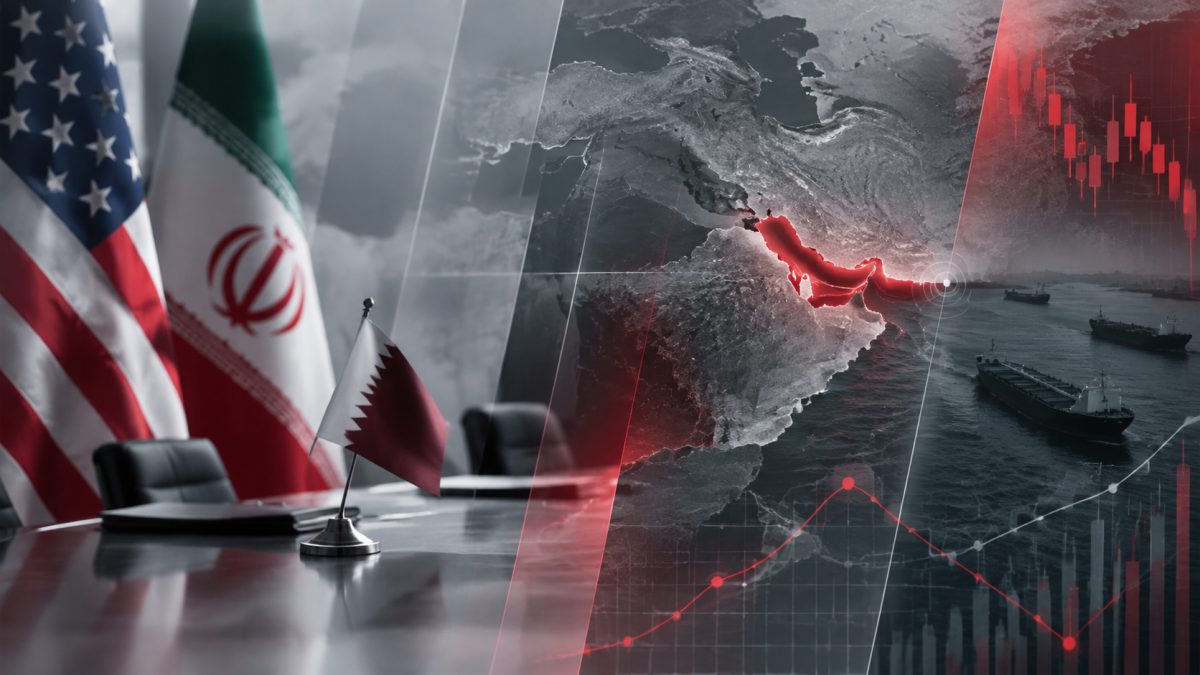
Indirect Diplomacy Revives Around Iran’s ‘7-Day Plan’
TREE NEWS reports: Diplomatic channels between Washington and Tehran flickered back to life this week, but only through intermediaries. Qatari mediators are expected to hold separate meetings in New York on September 28 or 29 with Iranian Foreign Minister Abbas Araghchi and with US representatives, with discussions centered on a revised version of the “7-Day Plan” Iran tabled during the UN General Assembly last week.
Araghchi stayed on in New York after the UN session and confirmed he would meet mediators on Monday morning to discuss “the latest proposals and views on the current situation.” No direct US-Iran talks are planned — a fact Iranian officials reiterated even as the shuttle diplomacy resumed. Iran’s delegation is scheduled to depart for home on September 29.
What the ‘7-Day Plan’ Contains
The proposal, first floated by Tehran, calls for halting hostilities in Iran and Lebanon, unfreezing billions of dollars of Iranian assets, lifting oil sanctions, and ending the US blockade of Iranian ports. In exchange, Iran would reopen the Strait of Hormuz within seven days and both sides would restart negotiations on Iran’s nuclear program.
President Trump publicly rejected the offer on September 26, then said he expected US negotiators to remain in contact with Iran this week. Iran says it has not formally received a final US response through mediators, and Araghchi has demanded an explanation for the rejection, suggesting Washington “appears not to have read the document.” US Ambassador to the UN Mike Waltz dismissed the plan as “a rather cynical attempt.”
Military and Legal Fronts Stay Active
The diplomatic track is running parallel to continued military friction. Eight US Marines — seven enlisted personnel and one officer — were injured on September 14 when their vessel was struck by an Iranian cruise missile in the Strait of Hormuz, suffering smoke inhalation and concussion-like symptoms. Iran’s Supreme Leader Mojtaba Khamenei used the anniversary of Hassan Nasrallah’s death to declare that the era of Western interference in Iran “has ended forever,” adding that hostile forces would eventually be expelled from the Arabian Sea. Separately, Iran’s civil aviation authority filed a formal complaint with ICAO over US flight restrictions and said it has lodged cases at The Hague over attacks on its airports, aircraft and radar facilities.
Market Implications
This is a headline-driven geopolitical story with outsized spillover into energy, rates and risk assets. The Strait of Hormuz carries roughly a fifth of global seaborne oil, so any credible signal of reopening or escalation moves crude immediately.
- Oil and commodities: Progress toward reopening Hormuz would pressure Brent and WTI lower, easing the geopolitical risk premium. Conversely, Iranian officials privately see a higher chance of escalation after the November 3 US midterms, which caps how far crude can fall. Gold retains a bid as a hedge against a re-ignition of conflict.
- Equities: Lower oil is a net positive for transport, airlines and consumer discretionary, but a drag on energy majors. A genuine de-escalation would broadly lift risk appetite; a breakdown would hit cyclical and emerging-market exposure hardest.
- Bonds and rates: A sustained oil spike feeds inflation expectations and steepens the curve at the long end. Renewed calm would support duration and reinforce the disinflation narrative central banks want.
- Currencies: The dollar typically catches a safe-haven bid on escalation; the euro and Asian import-sensitive currencies are most exposed to an energy shock. Any sanctions relief would weigh on the dollar against oil-linked currencies.
- Crypto: Bitcoin has traded as a high-beta risk asset in geopolitical drawdowns, with sharp knee-jerk selling followed by stabilization. A durable risk-on turn would favor crypto alongside equities, though volatility around headlines remains elevated.
Key Takeaways for Investors
- Nothing is agreed: talks remain indirect, the US has rejected the plan once, and Iran is pessimistic about a pre-midterm deal.
- Watch the Strait of Hormuz as the single most important variable — reopening is bearish oil, escalation is sharply bullish.
- Position for two-sided headline risk rather than a single outcome; energy hedges and gold remain cheap insurance.
- The November 3 US midterms are the political clock that both sides are watching, and Iran sees post-election escalation as more likely.