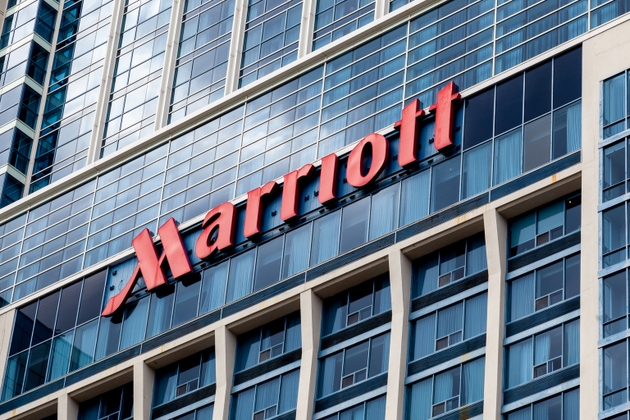
Singapore’s Sovereign Wealth Fund Makes a Bold Bet on Japanese Hospitality
TREE NEWS reports: GIC, Singapore’s sovereign wealth fund, has agreed to acquire a portfolio of 16 Marriott-operated hotels in Japan for approximately $800 million. The deal, one of the largest single hospitality transactions in Japan this year, underscores the growing appetite of institutional investors for tangible, income-producing assets in a world still grappling with elevated interest rates and persistent inflation uncertainty.
The properties are reportedly operated under Marriott International brands, giving the portfolio immediate scale and operational consistency. Japan’s hotel sector has been a standout performer in Asia-Pacific real estate, buoyed by a surge in inbound tourism, a weak yen that makes the country a bargain for foreign visitors, and a domestic travel recovery that has outpaced many global peers.
Why Japan, Why Hotels, Why Now
Japan has emerged as a magnet for global capital in 2024 and 2025. The yen’s prolonged weakness against the dollar and euro has made Japanese assets cheaper for foreign buyers, while the Bank of Japan’s cautious normalization of monetary policy has kept borrowing costs relatively low by developed-market standards. At the same time, Japan’s tourism boom — driven by a post-pandemic travel surge and the government’s push to attract 60 million visitors annually by 2030 — has lifted hotel occupancy and room rates to record highs in major cities like Tokyo, Osaka, and Kyoto.
For GIC, the purchase fits a broader strategy of rotating into real assets that offer inflation-linked income and diversification away from public equities and bonds. Sovereign funds across Asia and the Middle East have been steadily increasing allocations to infrastructure, logistics, and hospitality as they seek stable, long-duration cash flows.
Market Implications: Stocks, Bonds, Crypto, Commodities, Currencies
Equities
Marriott International (MAR) shares could see a modest positive reaction, as the deal validates the value of its managed portfolio and reinforces its asset-light, fee-based business model. Japanese hotel operators and real estate investment trusts (J-REITs) with hospitality exposure may also benefit from sentiment spillover, though the transaction itself is a private one and does not directly change public market fundamentals.
Bonds
The deal is unlikely to move global bond markets materially. However, it signals that institutional investors still see real estate as a viable alternative to fixed income, even with yields on Japanese government bonds (JGBs) creeping higher as the BOJ gradually unwinds ultra-loose policy. If more sovereign capital flows into Japanese real assets, it could put mild upward pressure on JGB yields over time as demand for bonds competes with demand for property.
Crypto
There is no direct crypto angle here. But the broader narrative — institutional capital seeking hard, yield-generating assets amid currency debasement concerns — is one that resonates with the Bitcoin-as-digital-gold thesis. If sovereign funds like GIC continue to diversify into tangible assets, it reinforces the case for alternative stores of value, including crypto, in a multi-asset portfolio.
Commodities
Indirectly, the deal reflects confidence in Japan’s economic reflation, which could support demand for industrial commodities and energy over time. A stronger Japanese tourism sector also boosts demand for jet fuel and consumer goods, though the immediate commodity impact is negligible.
Currencies
The yen could see marginal support if the deal is interpreted as a vote of confidence in Japanese assets. However, the transaction is small relative to daily FX turnover, and the yen’s direction will continue to be driven primarily by the interest rate differential between the BOJ and the Federal Reserve.
Key Takeaways for Investors
- Real assets are back in favor: Sovereign wealth funds are increasingly allocating to tangible, income-producing assets like hotels, infrastructure, and logistics to hedge against inflation and currency risk.
- Japan is a top destination for global capital: The combination of a weak yen, strong tourism, and relatively low financing costs makes Japanese real estate attractive to foreign institutional buyers.
- Watch Marriott and J-REITs: While the deal is private, it could lift sentiment around Marriott’s managed model and Japanese hospitality REITs.
- Macro signal: The transaction reinforces the theme of capital rotating away from low-yielding bonds into real assets — a dynamic that could support alternative stores of value, including crypto, over the medium term.
For investors, the GIC-Marriott deal is more than a single transaction. It is a window into how the world’s largest institutional investors are positioning for a world of higher-for-longer rates, persistent inflation, and shifting global capital flows.