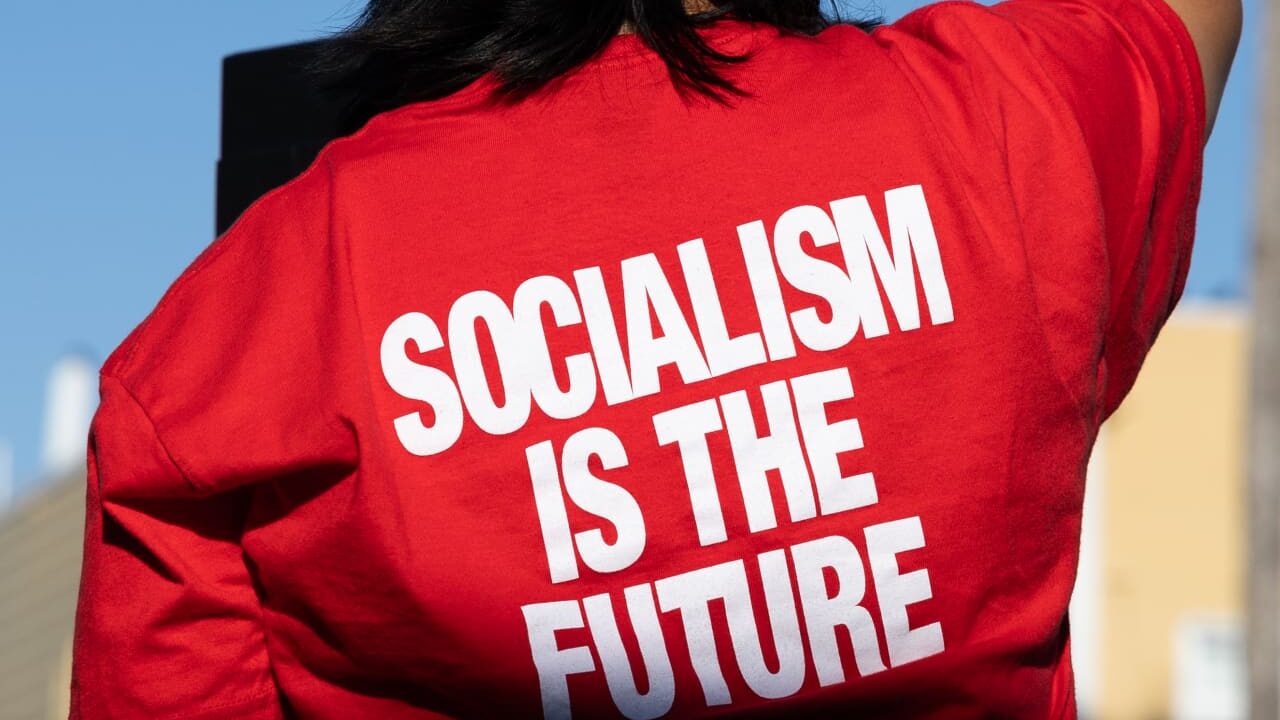
The U.S. Economy’s Sharp Turn Toward State Control
TREE NEWS reports: The United States has long been viewed as a bastion of free-market capitalism, but a new analysis suggests that under the second Trump administration, the economy has taken a decisive turn toward greater state intervention. A chart circulating among analysts shows that the U.S. was once among the economies with the least government control—until last year, when the trend reversed dramatically. The shift is being described by one analyst as a move toward socialism, a striking label for a country that has historically championed laissez-faire policies.
The change is not about traditional socialism, such as state ownership of the means of production, but rather a significant expansion of government influence over key sectors. This includes industrial policy, trade protections, and regulatory interventions that have altered the playing field for businesses and investors alike. The analyst’s chart likely measures indicators such as government spending as a share of GDP, regulatory burden, or state-directed investment, and it reportedly shows the U.S. climbing the ranks of state-controlled economies.
Market Implications: A New Risk Premium
For investors, this shift introduces a new layer of uncertainty. Markets thrive on predictability, and the perception of increased state control can lead to higher risk premiums across asset classes.
Stocks
Equities could face headwinds as investors reassess the earnings outlook for companies that are now subject to greater government oversight. Sectors such as technology, energy, and healthcare may be particularly vulnerable to policy shifts. However, some industries benefiting from industrial policy—such as infrastructure, defense, and domestic manufacturing—could see tailwinds. The overall market may experience increased volatility as investors digest the implications of a more interventionist government.
Bonds
Government bonds could be affected by expectations of higher fiscal spending and potentially larger deficits. If the administration pursues aggressive industrial policies, it may require increased borrowing, putting upward pressure on yields. At the same time, if the market perceives greater economic instability, demand for safe-haven assets like Treasuries could rise, creating a tug-of-war. The Federal Reserve’s response to these policies will also be crucial; any signs of inflation from increased government spending could lead to tighter monetary policy, impacting bond prices.
Crypto
Cryptocurrencies, often viewed as a hedge against government overreach, could see mixed effects. Increased state control might bolster the narrative that decentralized assets are a safe haven from fiat currency debasement and government intervention. However, regulatory crackdowns on the crypto industry could intensify, creating headwinds for the sector. Bitcoin, in particular, may benefit if investors seek alternatives to traditional financial systems, but altcoins and DeFi projects could face heightened scrutiny.
Commodities
Commodities could be influenced by trade policies and industrial demand. If the administration pursues protectionist measures, it could disrupt global supply chains and boost prices for domestically produced goods. Metals like steel and aluminum, which are often subject to tariffs, could see price increases. Energy commodities may also be affected by regulatory changes and shifts in production incentives. Gold, as a traditional hedge against uncertainty, could gain if investors worry about economic stability.
Currencies
The U.S. dollar could face pressure if investors perceive a decline in economic dynamism or if fiscal deficits widen. However, in times of global uncertainty, the dollar often strengthens as a safe-haven currency. The net effect will depend on how the policies unfold and how they compare to other economies. A more socialist-leaning U.S. might also prompt comparisons with other developed economies, potentially affecting relative currency valuations.
What Could Change with a Democratic-Run Congress?
The analyst’s note also raises the question of what might happen if Democrats take control of Congress. Interestingly, a Democratic-controlled Congress might not reverse the trend toward greater state intervention; instead, it could shift the focus. While Republicans under Trump have favored industrial policy and trade protections, Democrats might emphasize social spending, healthcare expansion, and climate-related investments. The overall size of government could continue to grow, but the priorities would differ. For investors, this means that the direction of policy could remain interventionist, but the sectors affected would change. Clean energy, healthcare, and education could benefit under Democratic leadership, while defense and traditional energy might see less support.
Key Takeaways for Investors
- Diversification is crucial: With increased policy uncertainty, spreading investments across asset classes and geographies can help mitigate risks.
- Watch policy signals: Pay close attention to legislative developments and regulatory announcements, as they will drive sector performance.
- Consider hedges: Assets like gold and cryptocurrencies may serve as hedges against government overreach, but their volatility should be carefully managed.
- Stay informed on fiscal and monetary policy: The interplay between government spending and Federal Reserve actions will be key for bond and currency markets.
- Long-term perspective: While short-term volatility may increase, long-term investors should focus on fundamentals and adapt to the evolving policy landscape.
The shift toward greater state control in the U.S. is a significant development that could reshape the investment landscape. Whether this trend continues or reverses will depend on political outcomes and policy choices, but for now, investors must navigate a new era of increased government intervention.