Treasury Launches Trump Accounts, Leaving Enrollment to Families
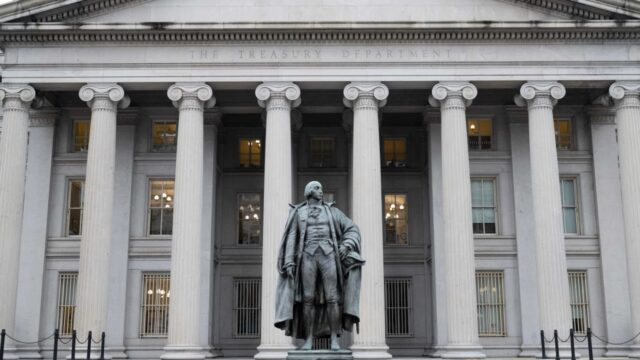
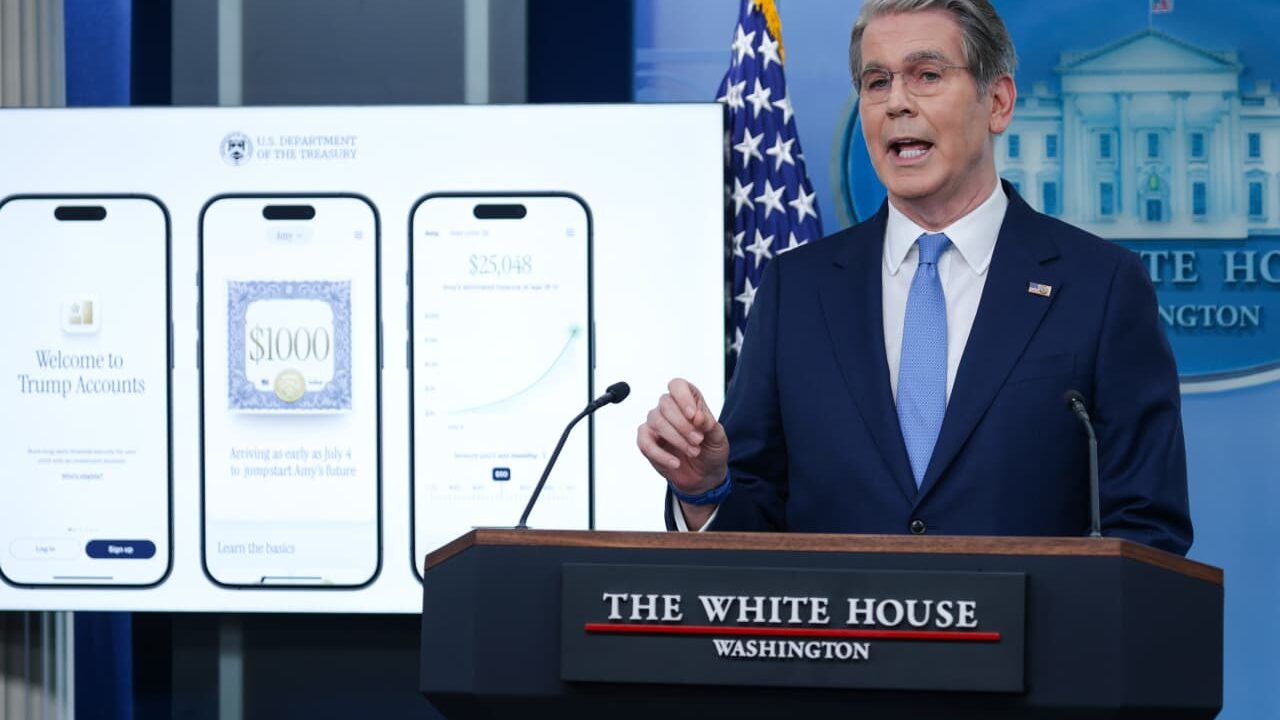
TREE NEWS reports: The U.S. Treasury Department has begun standing up so-called Trump accounts, a new savings vehicle aimed at roughly 60 million American children. The accounts carry a $1,000 federal seed contribution for eligible kids, but the money is not automatic: parents and guardians must take an active step to claim an account for their child. That enrollment requirement is the central catch in a program that has been billed as a broad-based wealth-building initiative for the next generation.
The structure matters for how quickly the program scales. Because families have to opt in rather than being auto-enrolled, take-up rates will depend heavily on outreach, awareness and the administrative friction of signing up. Programs with similar design features have historically seen uneven participation, with lower-income households — often the intended beneficiaries — least likely to complete the paperwork.
Why This Is a Macro Story, Not Just a Family Finance Story
At first glance, a children’s savings account looks like a personal-finance footnote. In practice, it sits at the intersection of fiscal policy, household balance sheets and long-horizon capital formation. A program that channels federal seed money into investment accounts for tens of millions of children is, in aggregate, a slow-moving but potentially large flow of retail capital into public markets over the coming decades.
The immediate market impact is likely to be small. The $1,000 contributions are spread across millions of households, phased in over time, and contingent on enrollment. But the signal is more important than the near-term cash: it reinforces a policy direction in which the government actively encourages retail participation in equities and other assets, rather than treating market exposure as the preserve of wealthier households.
Market Implications
Equities
- Long-term tailwind for broad index products. If the accounts are invested in diversified funds, the cumulative inflows over 10–20 years could modestly support large-cap U.S. equities and index-tracking vehicles.
- Asset managers and brokerages. Firms that win the mandate to custody or administer these accounts stand to gain a durable, sticky customer base. That is a structural positive for large asset gatherers.
- Near-term noise. Do not expect a measurable move in the S&P 500 on the launch alone. The dollars are too small and too slow.
Bonds
- Fiscal optics. Any new federal outlay, even a modest one, adds to the broader debate about deficits and issuance. The program’s size is unlikely to move Treasury yields on its own, but it feeds the narrative of expanding fiscal commitments.
- Long-duration sensitivity. If markets read this as part of a larger spending trend, the long end of the curve could see mild upward pressure on yields over time.
Crypto
- Indirect read-through. The program does not appear to directly involve digital assets, but it normalizes the idea of government-seeded investment accounts. That framing is broadly consistent with policy momentum toward mainstreaming retail investing, which crypto advocates have long argued should include digital assets.
- No direct flow. Treat any claim that this channels money into crypto as speculative unless the account rules explicitly permit it.
Commodities and Currencies
- Minimal direct impact. Gold and oil are unlikely to react to an enrollment-mechanics story.
- Dollar. The dollar’s reaction, if any, would come through the fiscal channel — more spending, more issuance — and would be marginal.
Key Takeaways for Investors
- This is a slow-burn structural story, not a trade. The market-moving potential is measured in years, not days.
- Watch enrollment data. Take-up rates will determine whether this becomes a meaningful capital flow or a niche program.
- Watch the implementation rules. Which investments are permitted, who administers the accounts, and whether fees are capped will shape who benefits.
- Policy direction matters more than the headline number. The signal is that Washington is leaning further into retail investment incentives — a theme worth tracking across equities, asset managers and, eventually, digital assets.