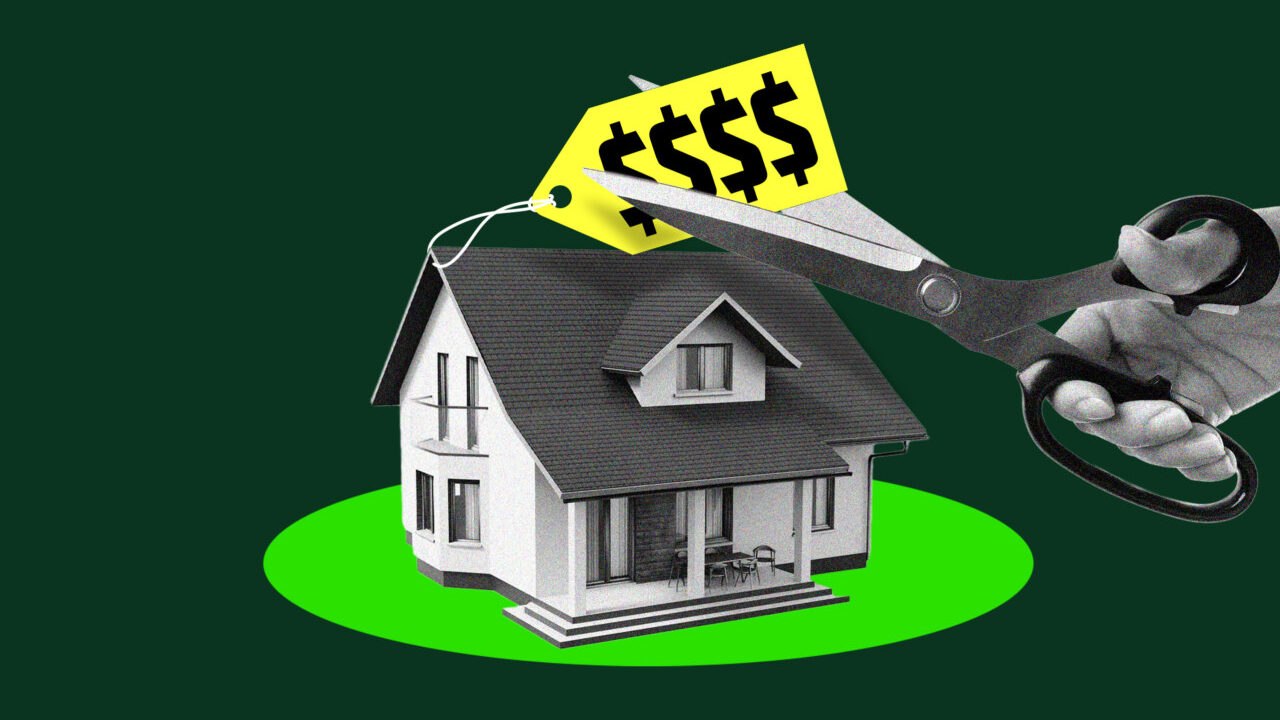
A Cracks-in-the-Foundation Moment for U.S. Housing
TREE NEWS reports: Roughly one in three home sellers in a major U.S. metropolitan market slashed their asking price in September, a stark signal that buyer resistance has finally forced sellers to blink after years of stubborn pricing. The share of listings with a price reduction climbed to its highest level of the year, with the deepest markdowns concentrated in formerly red-hot Sun Belt markets where inventory has ballooned and pandemic-era migration demand has cooled.
The dynamic is simple arithmetic: mortgage rates hovering near multi-decade highs have crushed affordability, monthly payments on a median-priced home have roughly doubled from 2021 levels, and buyers who can still transact are refusing to overpay. Sellers who priced their homes off stale spring comparables are now chasing the market down, often cutting five to ten percent within weeks of listing.
Why This Is a Macro Story, Not Just a Real Estate Story
Housing is the most interest-rate-sensitive sector of the economy, and it is the transmission belt through which Federal Reserve policy reaches household balance sheets. When a third of sellers are cutting prices, it tells you the lagged effects of 2022-2023 tightening are still working through the system. That matters for three reasons:
- Inflation read-through: Shelter is roughly a third of the CPI basket. Cooling asking prices feed into lower owner’s-equivalent rent and new-lease indexes with a six-to-twelve month lag. This is disinflationary and gives the Fed cover to ease.
- Consumer confidence: For most American households, the home is the largest asset. Falling prices dent the wealth effect and can dampen discretionary spending.
- Labor mobility: The “lock-in effect” — owners refusing to sell because they hold sub-4% mortgages — has frozen the labor market. Price cuts signal that lock-in is finally breaking for some cohorts.
Market Implications
Rates and bonds: Softer shelter inflation is the single most credible path to sustained sub-3% core CPI. If price cuts broaden, expect the front end of the Treasury curve to rally and the 10-year yield to drift lower, steepening the curve. Rate-cut odds for the next two Fed meetings would rise.
Equities: Homebuilders are the most exposed. Names with heavy Sun Belt exposure and land-banking strategies face margin compression as incentives and buydowns eat into gross margins. Conversely, rate-sensitive sectors — regional banks, REITs, utilities, small caps — could catch a bid if the data accelerates the easing narrative. Home-improvement retailers like Home Depot and Lowe’s tend to underperform when turnover stalls.
Crypto: Digital assets remain a high-beta liquidity trade. A softer rate path is unambiguously supportive; bitcoin and ether typically rally on falling real yields and a weaker dollar. Watch for correlation with Nasdaq to reassert if the data flow turns decisively dovish.
Commodities and the dollar: Lumber, copper and other housing-linked industrial metals face demand headwinds. A weaker dollar, driven by rate-cut expectations, would be a tailwind for gold and, indirectly, for bitcoin as a debasement hedge.
Key Takeaways for Investors
- Housing is confirming the disinflation thesis. Position for a steeper curve and a softer dollar.
- Fade homebuilder strength on rallies; the pricing power of 2021-2022 is gone.
- Regional banks with concentrated mortgage exposure warrant caution, but rate-sensitive value names may be entering an accumulation zone.
- Watch the next CPI shelter print and the Fed’s preferred new-tenant rent measures — they are the leading edge of this story.
- For crypto allocators, this is a liquidity tailwind. Treat any dovish repricing as a risk-on signal.