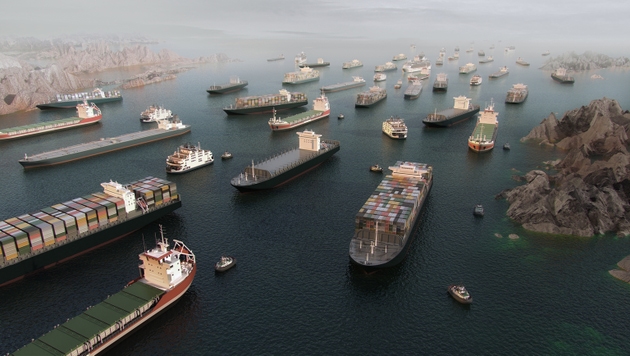
Middle East Crude Flows Recover, Product Markets Remain Tight
TREE NEWS reports: Crude oil exports from the Middle East have climbed back to nearly pre-conflict levels, but exports of refined products such as diesel, jet fuel and gasoline continue to lag significantly. The divergence points to a still-fragile supply chain in one of the world’s most critical energy corridors, even as headline crude volumes normalize.
The recovery in crude shipments suggests that upstream production and loading infrastructure have largely weathered recent disruptions. However, the slower rebound in refined product exports indicates that downstream facilities — refineries, storage terminals and blending operations — are either damaged, under-maintained, or constrained by logistics bottlenecks. Analysts caution that the gap between crude and product flows is a key indicator of lingering operational stress.
Why the Crude-Product Split Matters
Crude oil is the raw input; refined products are what actually power trucks, planes, ships and factories. When crude flows recover but product exports do not, it signals that the bottleneck has shifted downstream. This can keep refined product prices — and refining margins — elevated even if crude benchmarks remain stable.
For global markets, the implications are significant:
- Oil prices: Brent and WTI may find support from product tightness even if crude supply looks adequate. Diesel and jet fuel cracks could stay historically wide.
- Equities: Integrated oil majors with strong refining segments may outperform pure upstream players. Airlines and transport companies face higher fuel costs, pressuring margins.
- Bonds: Persistent energy inflation could complicate central bank rate-cut plans, keeping yields elevated at the front end of the curve.
- Crypto: Bitcoin and other risk assets remain sensitive to global liquidity conditions. Sticky inflation from energy costs could delay easing, a headwind for crypto in the near term.
- Commodities: Diesel and jet fuel futures may stay bid, while natural gas and other energy carriers could see spillover demand if refiners substitute inputs.
- Currencies: Oil-exporting nations’ currencies may benefit from crude revenue, but import-dependent emerging markets face widening trade deficits if product prices stay high.
Context for Investors
The headline “crude exports recover” may sound unambiguously bullish for supply, but the reality is more nuanced. The product-side lag means the global energy system is not yet back to normal. Refining capacity is the choke point, and it cannot be fixed overnight — maintenance, spare parts and skilled labor all take time to mobilize.
Investors should watch a few key signals in the coming weeks:
- Refinery utilization rates in the Middle East and Asia, which will indicate how quickly product exports can catch up.
- Diesel and jet fuel crack spreads, a direct read on downstream tightness and refining profitability.
- Tanker rates and insurance premiums for vessels transiting the region, which reflect perceived geopolitical risk.
- Inventory data from major consuming hubs, especially in Europe and Asia, to gauge whether product shortages are building.
For portfolio positioning, the setup favors energy equities with downstream exposure, suggests caution on transport and consumer discretionary names sensitive to fuel costs, and argues for keeping some inflation hedges — including commodities and select real assets — in the mix. Crypto investors should note that energy-driven inflation remains one of the few plausible triggers for renewed central bank hawkishness, which would weigh on risk assets broadly.
Key Takeaways
- Middle East crude exports are near pre-war levels, but refined product exports still lag — a sign of downstream bottlenecks.
- Product tightness can keep diesel and jet fuel prices elevated even if crude benchmarks stay range-bound.
- Energy inflation risk could delay rate cuts, pressuring bonds and risk assets including crypto.
- Refining-heavy energy stocks may outperform; transport and fuel-sensitive sectors face margin pressure.
- Watch refinery utilization, crack spreads and tanker rates for signs of normalization.