Disney Hands Over ‘Ice Age’ Franchise and Other Titles to Netflix in Surprising Licensing Deal
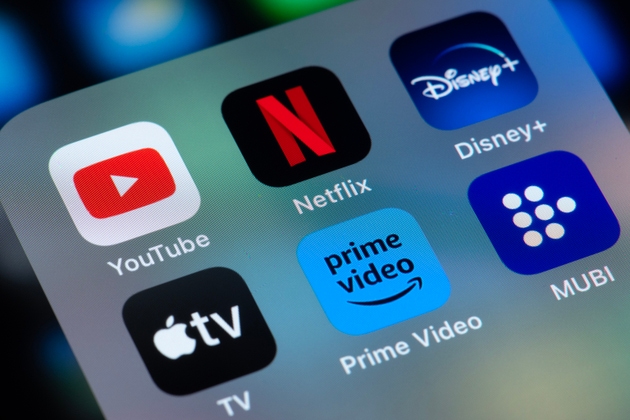
TREE NEWS reports: In a move that signals a notable shift in streaming strategy, The Walt Disney Company has agreed to license a series of film titles—including the popular ‘Ice Age’ franchise—to rival streaming service Netflix. The deal, confirmed this week, marks a rare instance of Disney allowing its content to appear on a competing platform, a departure from its previous emphasis on exclusivity for Disney+.
While financial terms were not disclosed, the agreement covers multiple titles from Disney’s vast library, with ‘Ice Age’ being the most prominent. The animated franchise, which originated at 20th Century Fox before Disney’s acquisition of Fox assets in 2019, has been a consistent performer. This licensing arrangement suggests Disney is exploring new revenue streams as its direct-to-consumer business faces maturing subscriber growth and rising content costs.
Why Disney Is Loosening Its Grip on Exclusivity
Disney’s pivot toward licensing content to competitors reflects broader pressures in the streaming industry. After years of heavy spending to build Disney+, the company is under investor pressure to improve profitability. Licensing content to Netflix provides immediate, high-margin revenue with minimal incremental cost, as the titles have already been produced. It also allows Disney to monetize older library content that may not drive new subscriptions to Disney+ but still holds value for other platforms.
Netflix, for its part, gains proven family-friendly titles that can boost engagement and retention, particularly in international markets where ‘Ice Age’ remains highly popular. The deal underscores Netflix’s willingness to license third-party content alongside its original productions, a strategy that has helped it maintain a diverse catalog.
Market Implications: Streaming Wars Enter a New Phase
The news could have several implications for investors across asset classes:
- Disney (DIS) stock: The deal may be viewed positively if it demonstrates management’s commitment to profitability and cash flow generation. However, some investors might worry that licensing crown jewels to a competitor undermines the long-term value of Disney+. The net effect likely depends on the size and duration of the licensing fees, which were not disclosed.
- Netflix (NFLX) stock: Acquiring popular titles at a reasonable cost could strengthen Netflix’s content offering and subscriber retention, a modest positive. But the market may not react strongly unless the deal is seen as transformative.
- Broader media sector: The agreement could encourage other media companies to pursue similar licensing deals, potentially accelerating a trend toward content sharing and away from exclusivity. This might benefit streaming aggregators and penalize those relying solely on exclusive content.
- Bonds: Disney’s credit profile could improve if licensing revenue boosts free cash flow, though the impact is likely marginal given the company’s size.
- Crypto and commodities: No direct impact expected. However, if the deal signals a broader shift in media business models, it could influence sentiment around entertainment-related tokens or NFTs, though such effects would be speculative.
Investor Takeaways
For investors, this deal highlights the evolving economics of streaming. The era of spending indiscriminately on content to chase subscriber growth is giving way to a focus on profitability and return on investment. Disney’s willingness to license to Netflix suggests that even the most ardent proponents of exclusivity are adapting to market realities.
Key points to watch:
- Financial details: Any disclosure of licensing fees will help gauge the revenue impact for Disney.
- Disney+ subscriber trends: If licensing content coincides with slower subscriber growth, it could validate the strategy shift.
- Netflix’s content strategy: Continued licensing of third-party hits could pressure its original content budget, but also enhance its value proposition.
- Sector-wide implications: Other media giants may follow suit, leading to more content sharing and potentially lower content costs across the industry.
Ultimately, this deal is a reminder that in the streaming wars, strategic flexibility—not rigid exclusivity—may be the key to sustainable profitability. Investors should monitor whether Disney’s licensing gambit pays off in improved financials, and whether it sparks a broader realignment in media business models.