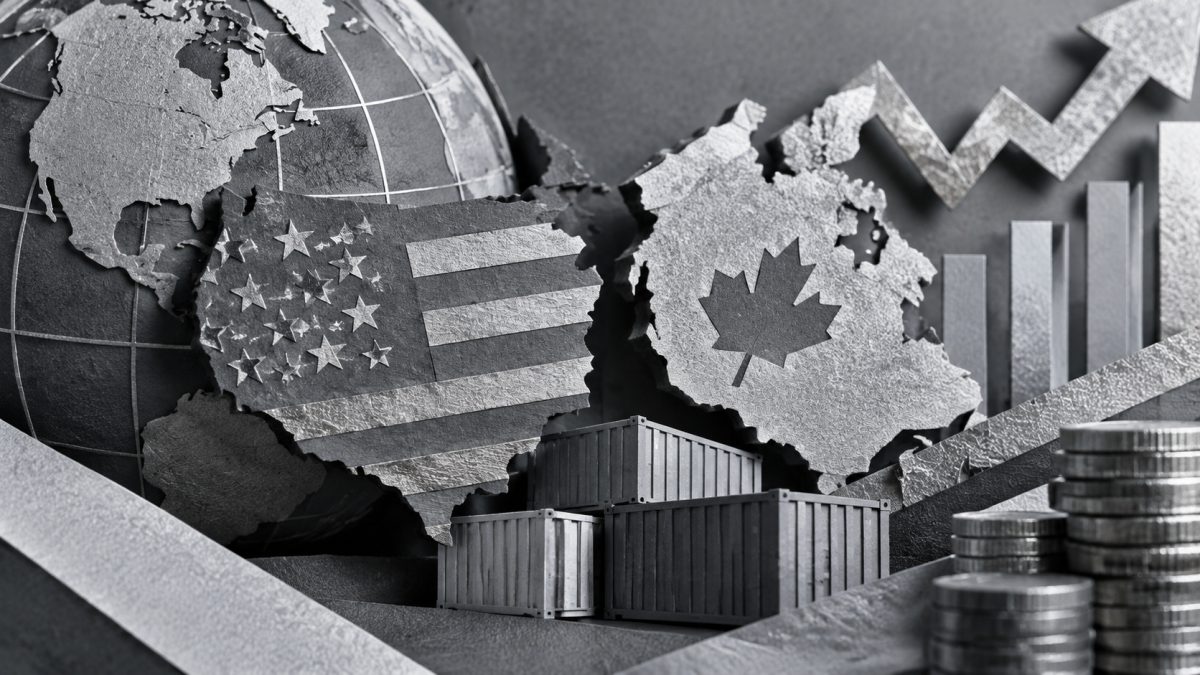
Stock Futures Flat as US-Canada Trade War Looms
TREE NEWS reports: U.S. stock-index futures were little changed on Sunday evening, as investors braced for the possibility of an all-out trade war between the United States and Canada, two of the world’s largest trading partners. The development follows escalating rhetoric and threats of tariffs on both sides, raising concerns about the stability of North American supply chains and the broader global economy.
The News
According to a report from MarketWatch, the U.S. appears to be on the verge of imposing significant tariffs on Canadian goods, with Canada vowing to retaliate in kind. The exact details of the proposed tariffs remain fluid, but the move would mark a sharp escalation in trade tensions between the two countries, which have historically maintained one of the closest economic relationships in the world. Key sectors such as autos, agriculture, energy, and lumber are likely to be affected, given their heavy cross-border trade.
Market Impact Analysis
Stocks: The initial reaction in futures was muted, but that could change quickly when cash markets open. Sectors with high exposure to Canadian trade—such as automotive manufacturers, agriculture, and energy—are likely to face selling pressure. Conversely, domestic-focused stocks and those that could benefit from import substitution might see gains. The broader indices, like the S&P 500 and the Dow Jones, could experience volatility as investors assess the potential economic fallout.
Bonds: A trade war typically drives investors toward safe-haven assets. U.S. Treasuries are likely to see increased demand, pushing yields lower. The Canadian bond market could also rally, but the loonie may weaken if the trade dispute escalates. The Federal Reserve and the Bank of Canada may need to adjust their monetary policy stances to mitigate the economic impact, which could further influence bond yields.
Crypto: Cryptocurrencies might see mixed reactions. Bitcoin, often touted as a hedge against economic uncertainty, could attract some safe-haven flows. However, risk-off sentiment can also lead to broad selling of risky assets, including digital currencies. Altcoins and DeFi tokens, which are more correlated with risk appetite, may be more vulnerable.
Commodities: Oil prices could be affected, as Canada is a major oil exporter to the U.S. Tariffs on energy imports would raise costs for U.S. refiners and potentially boost prices at the pump. Agriculture and lumber are also key commodities that could see price swings. Gold, another safe haven, could rise as investors seek protection against trade disruptions.
Currencies: The Canadian dollar (CAD) is likely to weaken against the U.S. dollar (USD) if the trade war escalates, due to the negative impact on Canada’s export-dependent economy. The USD might strengthen broadly, but that could be tempered if the trade war also hurts U.S. growth. Currency markets will be highly sensitive to any headlines about tariff specifics and negotiation attempts.
Why This Matters for Investors
Trade wars are a significant risk factor for global growth. The U.S. and Canada are deeply integrated, with over $700 billion in annual two-way trade. Disruptions could lead to higher costs for businesses and consumers, reduced corporate earnings, and slower economic growth. For investors, this means heightened volatility and the need to reassess portfolio exposures, particularly in sectors and regions directly affected. Diversification, both across asset classes and geographies, becomes crucial in such uncertain times.
Key Takeaways
- Monitor tariff announcements and any signs of de-escalation, as they will drive short-term market movements.
- Consider defensive positioning in safe-haven assets like Treasuries and gold.
- Review exposure to sectors with high Canada-U.S. trade links, such as autos, energy, and agriculture.
- Expect currency volatility, especially in CAD/USD pairs, and hedge if necessary.
- Stay informed about potential policy responses from the Federal Reserve and the Bank of Canada.