What Happened
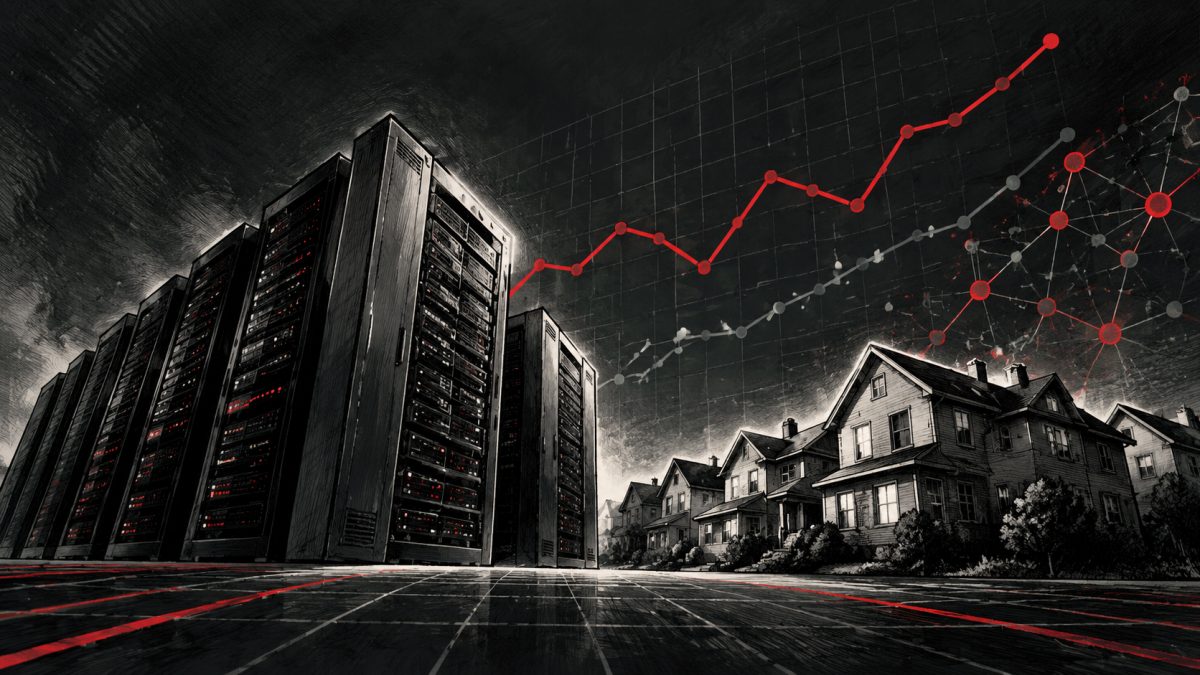
TREE NEWS reports: A new wave of community resistance is building across the United States as homeowners voice concerns that nearby data centers could depress property values. Despite a growing body of academic and industry research indicating no measurable negative impact—and in some cases a slight positive effect—sellers and local activists remain skeptical. This tension is playing out in public hearings, zoning disputes, and real estate listings, even as the demand for data infrastructure surges with the AI boom.
Market Impact Analysis
Real Estate and REITs
For investors in real estate investment trusts (REITs) focused on industrial or tech infrastructure, the controversy could influence project timelines and costs. If community opposition leads to stricter zoning or longer approval processes, data center development may slow, potentially tightening supply in high-demand markets. This could benefit existing data center owners but raise costs for new entrants.
Tech and AI-Driven Demand
The underlying driver—exponential growth in cloud computing and AI—remains intact. Any friction at the local level may push developers to alternative regions, potentially affecting the geographic distribution of digital infrastructure. This could have secondary effects on local economies and municipal tax bases, but is unlikely to dent the secular trend.
Bonds and Munis
Municipal bonds tied to areas where data centers are planned could see volatility if projects face delays. However, the long-term credit profile of most municipalities is unlikely to change significantly, as data centers often bring jobs and tax revenue, even if some residents perceive aesthetic or environmental downsides.
Crypto and Commodities
For crypto miners, who also require large-scale power and cooling, similar NIMBY (Not In My Backyard) dynamics could emerge. Commodities such as copper and electricity are indirectly affected by the pace of infrastructure build-out, but the immediate news is more sentiment-driven than a fundamental supply shock.
Key Takeaways for Investors
- Distinguish perception from data: Research suggests data centers do not harm home values, but public perception can still create regulatory friction.
- Watch for project delays: If community opposition intensifies, expect longer lead times for new facilities, which could benefit existing operators.
- Monitor local policy shifts: Zoning changes in key states (e.g., Virginia, Texas, Ohio) could provide leading indicators for future supply constraints.
- Stay focused on fundamentals: The AI-driven demand for data centers is a multi-year trend; short-term local disputes are unlikely to derail it.