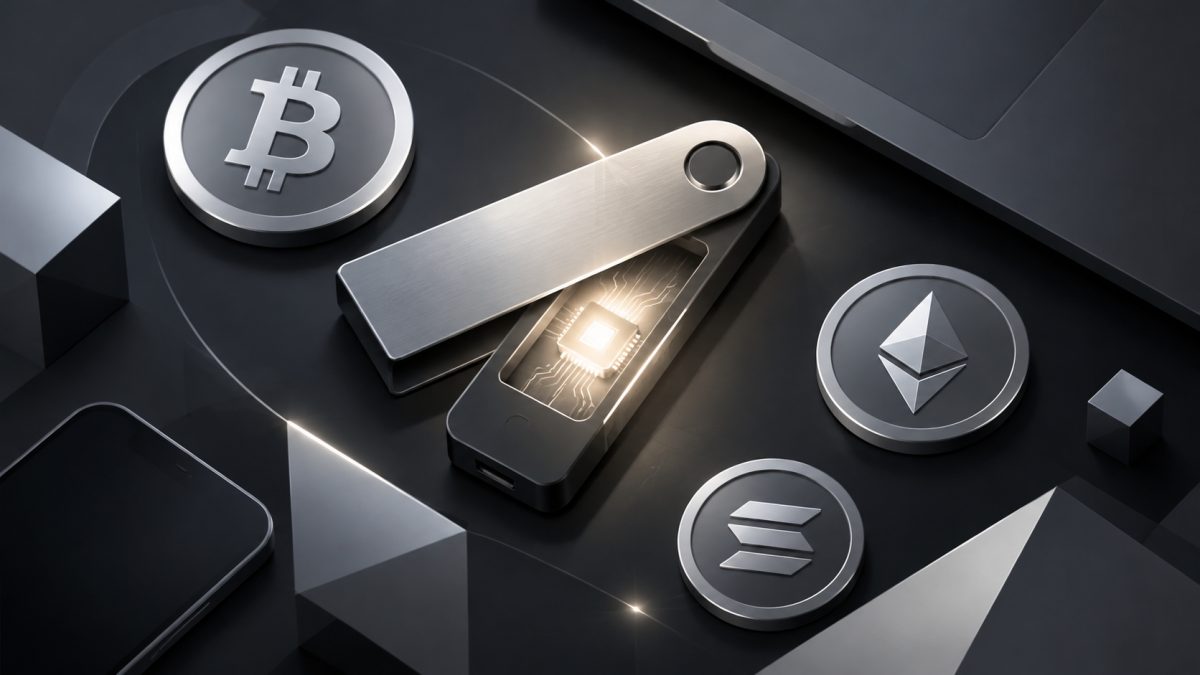
Ledger Confirms Unauthorized Hardware Implant in User Device
TREE NEWS reports: Ledger has confirmed that an unauthorized hardware implant was found in a user’s device, marking a rare supply-chain compromise for the hardware wallet maker. The company has contacted the affected user and launched an investigation. Reseller CryptoBilis has suspended all hardware wallet sales until the probe concludes.
Ledger is working with law enforcement to trace those responsible and thanked @SEAL_911 for assistance. The company stressed that its own security infrastructure, systems, and services remain unaffected. Users who bought devices from CryptoBilis are advised: if not yet set up, do not power on; if already set up, consider migrating assets to a new device with a fresh mnemonic. Ledger reminded users to rely only on official channels and reiterated it will never ask for a 24-word recovery phrase.
Industry Analysis and Implications
This incident underscores a critical vulnerability in the hardware wallet supply chain: the point of sale. While Ledger’s own firmware and infrastructure are secure, tampering at the reseller level can undermine the entire security model. Hardware wallets are designed to be trust-minimized, but they rely on the assumption that the device is genuine and untampered when it reaches the user.
The involvement of @SEAL_911, a known security researcher, highlights the growing role of independent watchdogs in the crypto ecosystem. Their swift identification and public disclosure likely pressured CryptoBilis to act and prompted Ledger’s official response. This event also raises questions about the vetting process for authorized resellers and the need for stronger tamper-evident packaging and device attestation.
- Supply chain risk: Malicious implants can bypass secure elements if introduced before delivery.
- User education: Ledger’s warning to not power on compromised devices and to migrate assets is crucial.
- Regulatory scrutiny: Law enforcement involvement may lead to stricter oversight of crypto hardware distribution.
Forward-Looking Perspective
As crypto adoption grows, hardware wallets become high-value targets. Ledger and its peers must enhance supply chain security, perhaps through blockchain-based provenance tracking or mandatory device attestation. Users should purchase directly from manufacturers or verified resellers and always verify device integrity upon receipt. This incident may accelerate the development of tamper-proof hardware and decentralized identity solutions for device authentication.
While the breach is contained, it serves as a reminder that security in crypto is only as strong as its weakest link—often the physical supply chain. Ledger’s transparent communication and collaboration with law enforcement are positive steps, but the industry must collectively address these vulnerabilities to maintain trust.