Blast and Blur Shut Down: Pacman’s $850M Airdrop Bubble Leaves $2.26 in Revenue
Two high-profile crypto projects founded by the pseudonymous developer Pacman have abruptly shut down, marking a dramatic end to one of the most aggressive airdrop-driven growth experiments in recent years. Blast, a Layer 2 network that promised native yield, and Blur, an NFT marketplace that used points-based incentives to capture market share, both announced closures this week. The twin shutdowns have left the crypto community questioning the sustainability of airdrop farming as a business model.
The $850 Million Giveaway
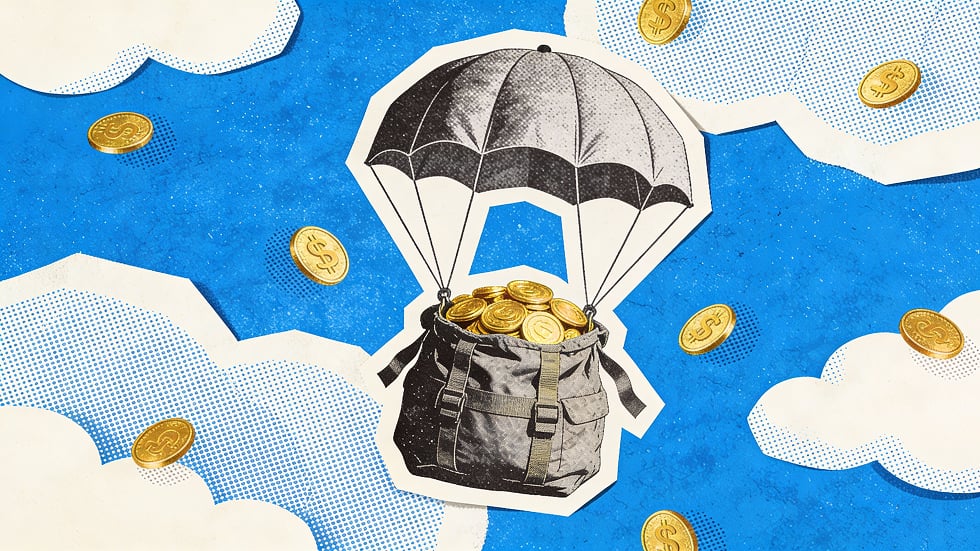
Blast and Blur distributed a combined $850 million in token airdrops to early users. The strategy was designed to bootstrap liquidity and user engagement by rewarding on-chain activity with points that later converted into tokens. However, on-chain data reveals that the protocols generated a mere $2.26 in cumulative revenue—a stark illustration of the disconnect between token incentives and actual product-market fit.
Blast’s promise of native yield on bridged assets attracted billions in total value locked (TVL) at its peak, but much of that capital was mercenary, fleeing as soon as yields normalized. Blur similarly captured NFT trading volume by offering points and token rewards, but the marketplace struggled to retain users once the incentives tapered off.
The Airdrop Model Under Scrutiny
The collapse of Pacman’s ventures is the highest-profile example yet of the airdrop model’s flaws. While airdrops can effectively distribute tokens and attract attention, they often fail to create lasting value. Users who farm points are typically motivated by short-term profit, not long-term protocol loyalty. When the rewards dry up, so does the activity.
Critics argue that the industry has become overly reliant on token incentives to drive growth, leading to a cycle of boom and bust. Projects raise large sums, launch with much fanfare, and distribute tokens to speculators who quickly exit. The underlying product—whether a Layer 2, an NFT marketplace, or a DeFi protocol—often remains underdeveloped and unable to compete on fundamentals.
What’s Next for Airdrop Farming?
The shutdowns are likely to accelerate a shift toward more sustainable token distribution models. Some projects are experimenting with vesting schedules, performance-based rewards, and smaller, more targeted airdrops. Others are moving away from points entirely, focusing instead on building products that generate real revenue.
For Pacman, the closures mark a second high-profile exit after earlier success with Blur’s initial launch. Whether the developer will attempt a third act remains to be seen. For the broader crypto market, the Blast and Blur saga serves as a cautionary tale: airdrops can buy attention, but they cannot buy a viable business.