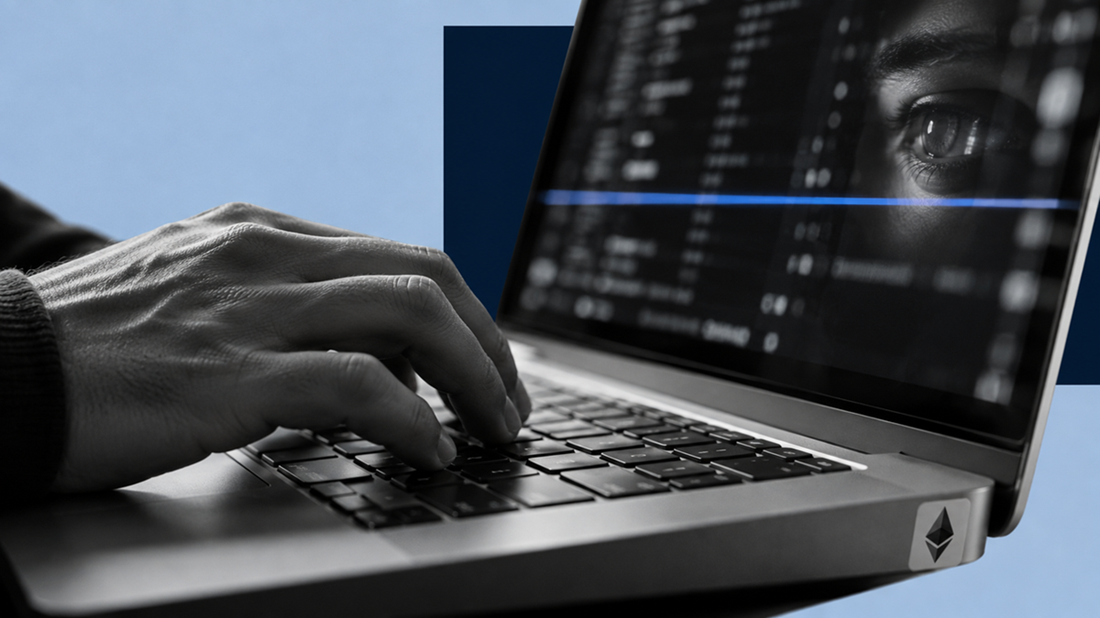
When Machines Join the Heist
TREE NEWS reports: Artificial intelligence has moved from the margins of crypto security to the center of the battlefield. AI is now actively participating in attack execution — completing credential theft and operational planning within hours, rather than the days or weeks a human-only crew would need. The weak points being exploited are familiar but newly dangerous: cloud infrastructure intrusions, compromised vendor credentials, and multi-signature approval workflows that were designed to assume human-speed decision-making.
Why Attackers Are Winning the Automation Race
The asymmetry is brutal. Attackers need one successful path; defenders must close every one. AI collapses the cost of reconnaissance, phishing, and lateral movement, turning what was once a specialist craft into a scalable service. Multi-sig treasuries, long considered a gold standard for protocol security, become vulnerable when signers rely on AI-assisted tooling that can be manipulated or when approval fatigue sets in. Vendor credentials — often the softest link in any DeFi or exchange stack — are now harvested at machine speed.
Crucially, human decisions and permission controls remain the final gate. AI can plan and execute, but it still requires a human to click approve, sign a transaction, or ignore a warning. That is both the defense’s last hope and its greatest liability.
The Defensive Paradox
On the defensive side, AI genuinely helps. It accelerates anomaly detection, threat hunting, and patching. But deploying it inside a live crypto operation is not a simple upgrade. Budgets are finite, changes to production systems risk outages, and business continuity cannot be sacrificed for theoretical security gains. The result is a slow, uneven adoption curve — exactly the kind of gap attackers exploit.
The practical prescription emerging from the industry is narrower and more disciplined than “buy more AI”: focus on information analysis, rigorous risk validation, rapid remediation, and — most importantly — control of fund flows. If an attacker cannot move assets, the breach is painful but survivable.
What Comes Next
Expect three shifts. First, treasury and multi-sig operations will adopt stricter permission tiers and time-delayed execution as a default, not an option. Second, AI-driven detection will be paired with AI-driven red-teaming, turning security into an automated arms race. Third, regulators and auditors will begin asking pointed questions about how AI is used in key management and approval workflows.
The uncomfortable truth is that AI does not change the fundamentals of security — it accelerates them. Protocols that treat AI as a force multiplier for discipline, not a substitute for it, will be the ones still standing when the next wave of automated attacks arrives.