Trump Calls for Leadership Change in Ukraine and an End to Refinery Attacks
TREE NEWS reports: In a striking geopolitical intervention, former President Donald Trump has publicly stated that Ukraine should replace President Volodymyr Zelenskyy and cease its strikes on Russian oil refineries. The comments, made during a wide-ranging address, signal a potential shift in U.S. policy toward the war in Ukraine should Trump return to office. They come amid ongoing debates in Washington over military aid and escalating tensions between Kyiv and Moscow.
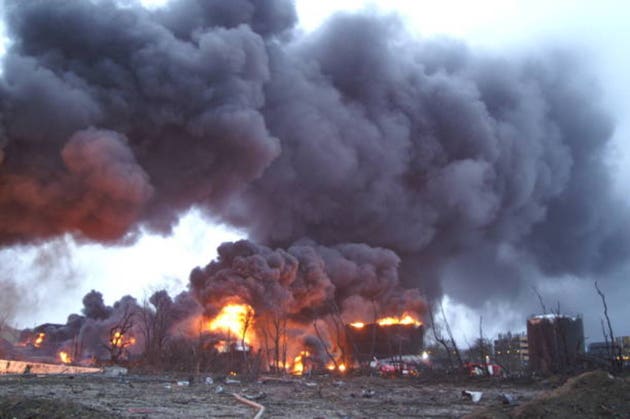
The remarks are not just political rhetoric; they carry immediate implications for global markets already sensitive to energy supply disruptions and geopolitical risk. Ukraine has targeted Russian refining infrastructure in recent months, aiming to degrade Moscow’s oil export capacity and military logistics. A halt to such strikes could ease pressure on global oil prices, but it also raises questions about Ukraine’s negotiating leverage and the broader trajectory of the conflict.
Market Implications: Energy, Currencies, and Safe Havens
The most direct impact is likely in energy markets. If Ukraine were to stop hitting Russian refineries, the risk premium embedded in crude oil prices could compress. Brent and WTI might see downward pressure, particularly if the market interprets the move as a step toward de-escalation. Conversely, any perception that the U.S. is softening its support for Ukraine could embolden Russia, potentially leading to tighter sanctions or supply disruptions later—keeping a floor under prices.
European natural gas prices are also in focus. A reduction in refinery attacks could lower the probability of retaliatory strikes on Ukrainian energy infrastructure, which in turn affects European gas storage and winter supply concerns. Traders will be watching for any follow-through from Moscow.
Currency markets may react through safe-haven flows. The U.S. dollar could strengthen if geopolitical uncertainty rises, while the euro might weaken on concerns about European energy security. The Russian ruble, already under pressure from sanctions, could see volatility depending on how the Kremlin interprets Trump’s comments.
Equities and Crypto: Risk-On or Risk-Off?
Equity markets are likely to weigh the news through the lens of energy costs and defense spending. Lower oil prices would benefit airlines, transport, and consumer discretionary sectors, while energy stocks could suffer. Defense stocks might see mixed reactions: a potential push for peace could reduce long-term spending expectations, but near-term uncertainty may support the sector.
In crypto, Bitcoin and other digital assets often trade as risk proxies. A de-escalation narrative could support risk-on sentiment, lifting crypto prices alongside equities. However, if the situation is perceived as U.S. disengagement from Ukraine, broader geopolitical instability could drive investors toward safe-haven assets like gold and the dollar, pressuring crypto.
Why This Matters for Investors
This is a reminder that geopolitical risk is back at the center of market pricing. Investors should consider:
- Energy exposure: Portfolio allocations to oil and gas may need rebalancing if supply expectations shift.
- Currency hedges: The dollar-euro dynamic could become more volatile; consider hedging or diversifying currency exposure.
- Defense and aerospace: Policy uncertainty may create opportunities in select defense names, but timing is critical.
- Crypto as a risk barometer: Digital assets can amplify moves in either direction; position sizing matters.
Ultimately, the market’s reaction will depend on whether Trump’s comments translate into actual policy changes. For now, they add another layer of uncertainty to an already complex geopolitical landscape—and investors should stay nimble.



