OneKey Founder Flags iPhone Forensic Risks for DIY Cold Wallets
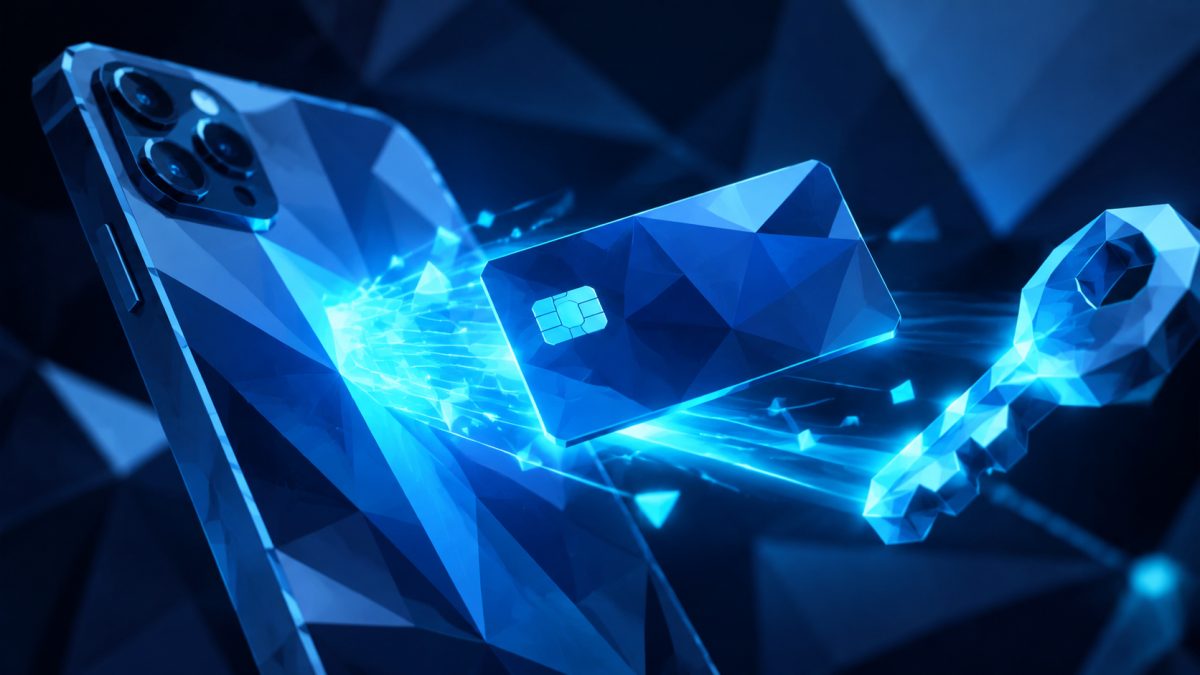
TREE NEWS reports: OneKey founder Yishi has cautioned that users relying on iPhones as DIY cold wallets may face a narrower-than-expected security margin. Citing forensic capability disclosures tied to Cellebrite’s 2026 materials, Yishi noted that some iPhone models can still have data extracted under specific conditions even when running relatively recent versions of iOS — though this does not automatically mean wallet funds are compromised.
Why This Matters for Self-Custody
The warning lands in the middle of a broader shift in crypto security priorities. As hardware wallets and self-custody tools become more mainstream, the threat model has moved from remote phishing and exchange hacks toward physical device seizure and forensic extraction. For users in jurisdictions with aggressive law enforcement or high street-crime exposure, the phone in their pocket is increasingly treated as a potential attack surface rather than a safe.
Yishi’s recommendation is concrete: users who insist on an iPhone-based cold wallet should choose iPhone 17 or newer hardware, run iOS 27 or above, and rotate devices on a regular schedule. The logic is that newer silicon and OS versions incorporate stronger secure enclave protections, memory encryption, and USB-restricted modes that raise the cost of forensic extraction.
The DIY Cold Wallet Tradeoff
DIY cold wallets built on phones offer real advantages: no dedicated hardware purchase, familiar UX, and the ability to use air-gapped QR signing. But they also inherit the phone’s entire attack surface — baseband processors, backup mechanisms, cloud sync, and third-party apps. A dedicated hardware wallet narrows that surface by design, whereas a repurposed iPhone depends on Apple’s security roadmap and the user’s discipline in keeping the device clean.
- Hardware generation matters: newer iPhones typically ship with updated Secure Enclave and memory protection.
- OS version matters: iOS 27+ includes mitigations against known forensic vectors.
- Device hygiene matters: a phone used for daily life is not a cold wallet, even if it holds a wallet app.
- Rotation matters: periodic device replacement reduces the window in which a specific exploit remains viable.
Forward-Looking Perspective
The real takeaway is not that iPhones are unsafe — it is that self-custody security is a moving target that requires users to track both hardware generations and OS patch levels. As forensic vendors publish increasingly detailed extraction capabilities, the bar for DIY cold storage will keep rising. Expect hardware wallet makers to lean harder into secure element certification, air-gapped signing, and tamper-evident enclosures, while phone-based cold wallets become a niche for technically disciplined users who treat device rotation as a security ritual rather than an afterthought.