Housing Crisis Takes Center Stage in US Midterm Elections
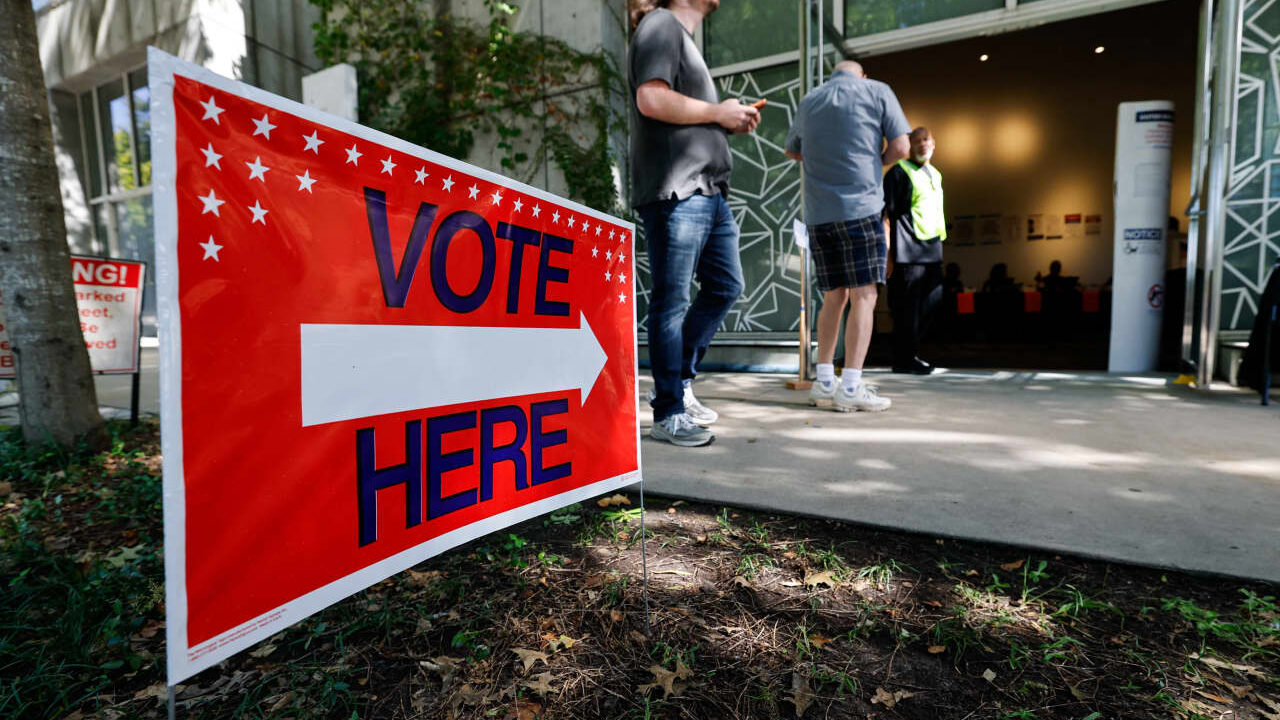
TREE NEWS reports: Voters across the United States are facing an unprecedented number of housing-related ballot measures this midterm cycle, the highest in two decades. These proposals range from streamlining construction regulations to cutting property taxes, reflecting growing public frustration over affordability and supply constraints. The surge in housing initiatives signals that the crisis has become a top-tier political issue, with potential ripple effects across financial markets.
What Happened
Local and state ballots nationwide include measures aimed at increasing housing supply, reducing regulatory barriers, and providing tax relief. Some proposals would expedite permitting for new developments, while others seek to cap property tax increases or expand rental assistance. This wave of direct democracy comes as home prices and rents have soared, squeezing household budgets and fueling voter discontent.
Market Implications
The outcome of these measures could have significant implications for multiple asset classes. If passed, construction-friendly policies may boost homebuilder stocks and related sectors, while property tax cuts could pressure municipal bond revenues. Conversely, failure to address supply could keep upward pressure on rents and home prices, potentially influencing inflation and Federal Reserve policy.
- Stocks: Homebuilders, building materials companies, and real estate investment trusts (REITs) could see volatility depending on which measures pass. Deregulation could benefit companies like D.R. Horton and Lennar, while tax cuts might hurt local government revenues, impacting municipal bond funds.
- Bonds: Property tax reductions could strain local budgets, leading to credit rating downgrades for some municipalities and widening spreads on municipal bonds. This could also affect the broader bond market if it signals fiscal stress.
- Crypto: Digital assets are unlikely to be directly impacted, but broader economic shifts—such as changes in inflation expectations or monetary policy—could influence crypto sentiment. If housing measures ease inflation, risk assets like Bitcoin might benefit from a more dovish Fed.
- Commodities: Increased construction activity would boost demand for lumber, copper, and other building materials, potentially supporting commodity prices. Conversely, a slowdown in housing could weigh on these markets.
- Currencies: The US dollar could react to shifts in inflation and growth outlooks. If housing policies successfully increase supply and moderate inflation, the dollar might weaken as the Fed becomes less aggressive. However, if fiscal strains worsen, safe-haven demand could strengthen the dollar.
Why It Matters for Investors
Housing is a critical component of the US economy, influencing consumer spending, inflation, and interest rates. The ballot measures reflect a growing political will to tackle the crisis, which could lead to structural changes in the housing market. Investors should monitor which proposals pass and how they are implemented, as these outcomes will shape investment opportunities in real estate, construction, and municipal debt. Moreover, the broader macroeconomic impact—especially on inflation and Fed policy—cannot be overlooked.
Key Takeaways
- Housing proposals are at a 20-year high on midterm ballots, signaling heightened political focus on affordability.
- Passed measures could boost homebuilder stocks but pressure municipal bonds.
- Commodities like lumber and copper may see demand shifts based on construction activity.
- Crypto and currencies could be indirectly affected through changes in inflation and monetary policy expectations.
- Investors should watch for implementation details and potential fiscal strains on local governments.