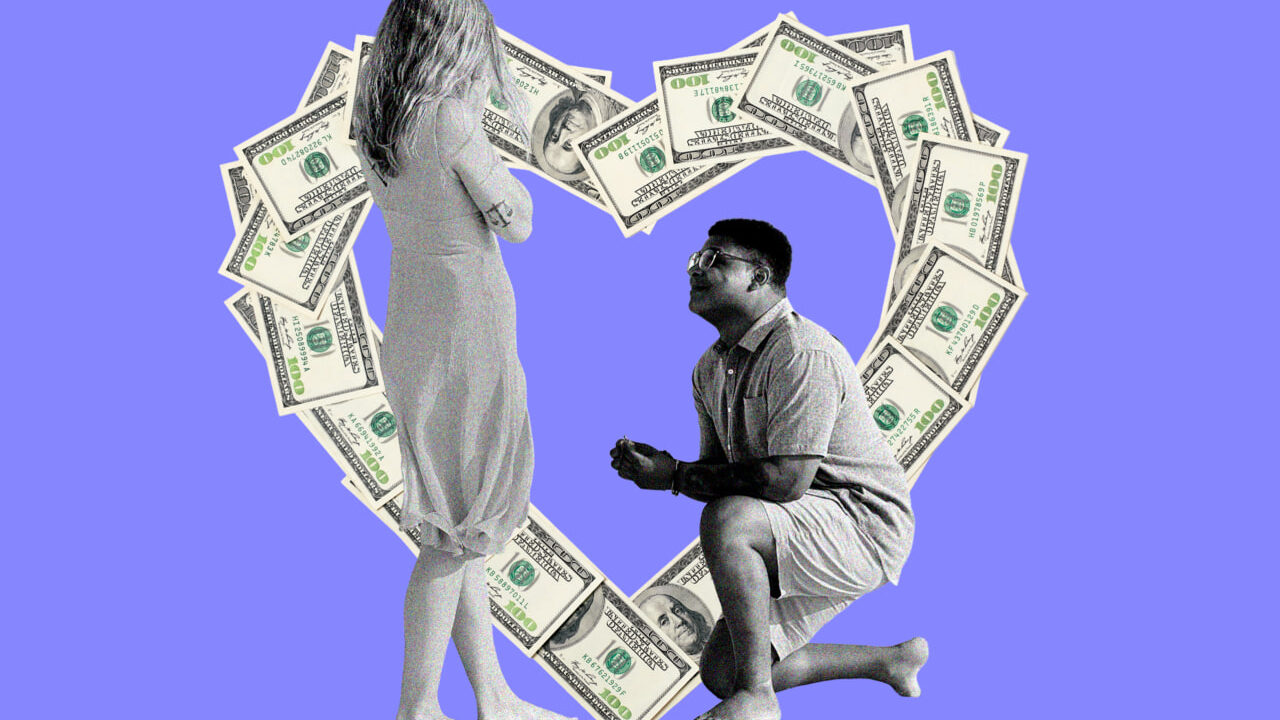
The $20,000 Wedding Hack That Signals a Broader Shift in Consumer Behavior
TREE NEWS reports: A viral personal-finance story is making the rounds: a couple claims that one strategic move will save them $20,000 on their wedding, and they are cutting back elsewhere to free up budget for the things they really want on their big day. While it reads like a lifestyle piece, the underlying theme — aggressive cost-cutting and ruthless prioritization of discretionary spending — is a microcosm of the macro forces now shaping markets.
What Happened
The story centers on a couple who restructured their wedding budget by eliminating low-priority line items and reallocating that capital toward the elements they value most. The headline number — $20,000 in savings — is eye-catching, but the mechanics are simple: substitution, negotiation, and a willingness to walk away from inflated vendor pricing. It is the same playbook households are applying to mortgages, auto loans, and credit-card spending as borrowing costs remain elevated.
Why This Matters for Markets
This is not just a wedding story. It is a data point in the growing narrative of consumer retrenchment. When households aggressively cut discretionary spending, the ripple effects hit multiple asset classes:
- US Equities (Consumer Discretionary): Companies tied to weddings, events, travel, and luxury goods — think caterers, hotels, jewelry retailers, and event platforms — face margin pressure as consumers trade down. Conversely, discount retailers and value-oriented service providers could benefit.
- Bonds: If consumer weakness translates into slower growth, Treasury yields could fall as markets price in rate cuts. But if the retrenchment is driven by sticky inflation, the Fed may stay hawkish, keeping yields elevated. The tension between these two forces is the key macro trade right now.
- Crypto: Risk assets, including Bitcoin and Ethereum, are sensitive to liquidity conditions. A consumer-led slowdown that forces central banks to ease would be bullish for crypto. A slowdown that drags on corporate earnings without policy relief would be bearish.
- Commodities: Lower demand for events, travel, and dining hits energy and agricultural commodities. Gold, however, may attract safe-haven flows if growth fears intensify.
- Currencies: The dollar tends to strengthen when US consumers pull back and global growth concerns rise, as it acts as a global safe haven. Emerging-market currencies could weaken.
The Bigger Picture: The K-Shaped Consumer
What this wedding story really illustrates is the K-shaped consumer economy. Affluent households are still spending on premium experiences, while middle- and lower-income households are cutting back sharply. This bifurcation makes aggregate economic data misleading and complicates the Fed’s job. It also creates opportunities for investors who can identify which companies serve which consumer cohort.
Key Takeaways for Investors
- Watch discretionary vs. staple performance: The spread between consumer discretionary and consumer staples ETFs is a real-time gauge of consumer stress.
- Don’t over-index on one data point: A viral budget story is anecdotal, but it aligns with credit-card delinquency data and retail earnings commentary.
- Position for bifurcation: Value-oriented retailers and discount platforms may outperform premium brands if the retrenchment continues.
- Keep an eye on the Fed: The path of interest rates will determine whether consumer weakness becomes a market-wide risk or a sector-specific rotation.
The $20,000 wedding savings hack is a small story with a large signal: households are adapting, and markets will have to adapt with them.