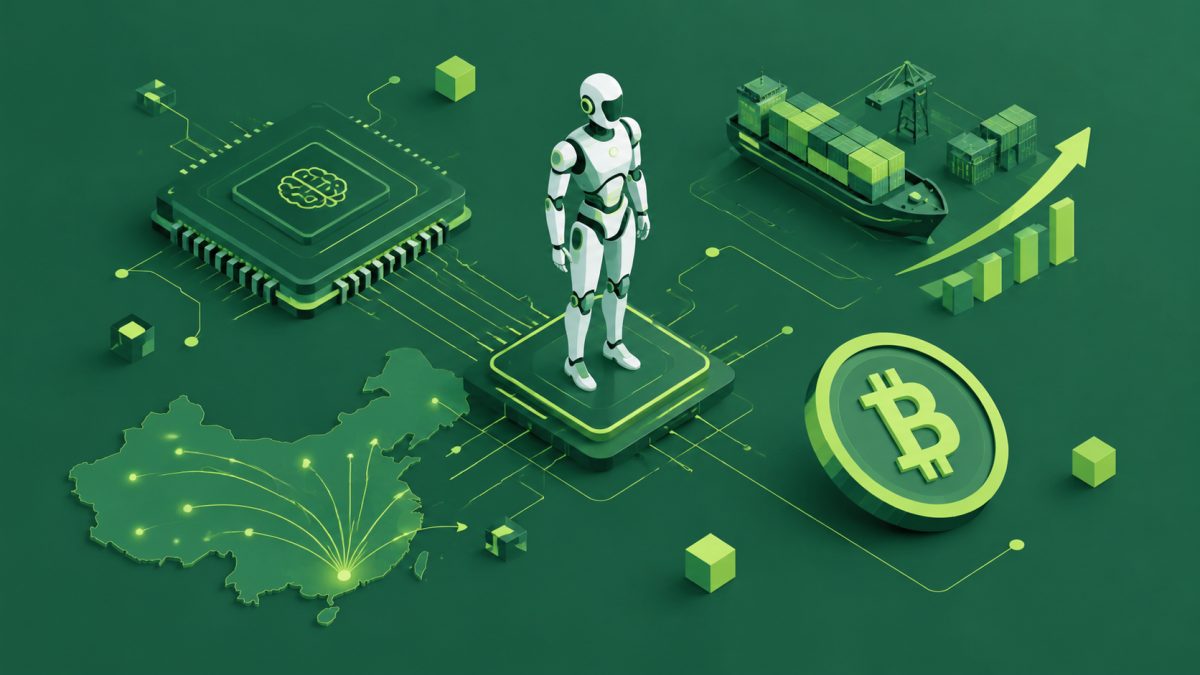
China’s Humanoid Robot Boom
TREE NEWS reports: Global humanoid robot sales reached 36,000 units in the first half of 2026, surpassing the full-year total of 35,000 units in 2025, with market revenue hitting $540 million. The top five companies by revenue are all Chinese, including two based in Shenzhen. Meanwhile, Shenzhen customs data shows that exports of separately listed robots from the city totaled 11.13 billion yuan in the first eight months of 2026, a 12.2-fold increase year-over-year, reaching over 120 countries and regions.
Industry Analysis
The concentration of top players in China underscores the country’s rapid ascent in robotics, driven by strong government support, a mature supply chain, and cost advantages. Shenzhen, often called China’s Silicon Valley, has become a hub for robotics innovation, with companies like UBTech and DJI (though the latter is more known for drones) contributing to the ecosystem. The surge in exports indicates growing global demand for Chinese robots, particularly in manufacturing, logistics, and service sectors.
This dominance has implications for global supply chains and technological competition. As humanoid robots become more capable, they could revolutionize industries from healthcare to hospitality. However, concerns about data security and ethical use may arise, especially as Chinese robots enter Western markets.
Forward-Looking Perspective
The humanoid robot market is expected to continue its explosive growth, with projections suggesting it could reach billions of dollars by 2030. Chinese companies are well-positioned to lead, but they face challenges such as trade restrictions and geopolitical tensions. Investment in AI and robotics is likely to accelerate, and we may see increased collaboration between Chinese firms and international partners. For the crypto and blockchain sector, the rise of robots could spur demand for decentralized identity and machine-to-machine payments, potentially integrating with Web3 technologies.
As robots become more autonomous, blockchain could provide secure and transparent transaction layers, enabling new business models. The intersection of AI, robotics, and blockchain is an area to watch.