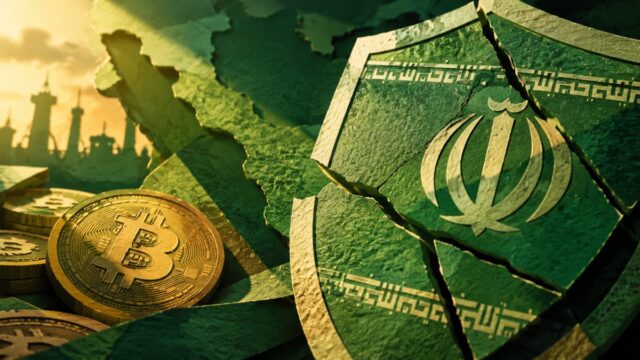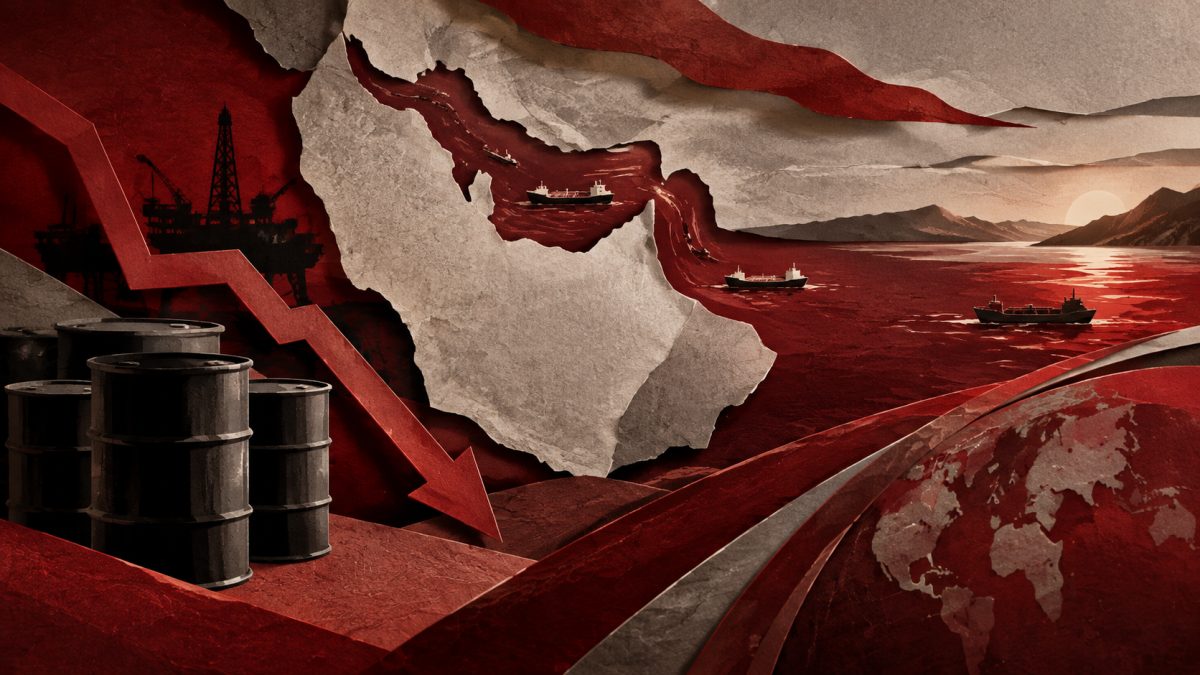
Oil Falls Near 3% as Iran, Oman Restart Hormuz Corridor Talks
TREE NEWS reports: Oil prices slid nearly 3% on Tuesday after Iran and Oman resumed discussions over a temporary shipping corridor through the Strait of Hormuz, a critical chokepoint for global crude supplies. Brent crude fell to around $72 per barrel, while WTI dropped to $68, marking the sharpest single-day decline in two weeks. The talks, confirmed by Iranian and Omani officials, signal a potential de-escalation of tensions in the region, which had previously spiked due to tanker seizures and military posturing.
Market Reaction and Broader Implications
The immediate sell-off reflects reduced geopolitical risk premiums that had been embedded in oil prices since late 2024. The Strait of Hormuz handles roughly 20% of global oil consumption and a significant share of LNG trade, making any disruption a systemic risk to energy markets. The resumption of talks suggests that both Tehran and Muscat are seeking pragmatic solutions to maintain shipping flows, likely under international pressure to avoid a full-blown crisis.
For macro investors, this development is a double-edged sword. Lower oil prices could ease inflationary pressures, giving central banks more room to consider rate cuts later this year. However, the volatility underscores how fragile energy supply chains remain, and any breakdown in negotiations could quickly reverse the price decline. The US dollar index dipped slightly as oil weakened, while bond yields in major economies showed mixed movements, indicating cautious optimism.
Forward-Looking Perspective
Analysts are watching whether the talks produce a formal agreement or remain a temporary measure. A lasting corridor would likely cap oil price rallies and reduce the ‘fear premium’ in energy derivatives. Conversely, failure to reach a deal could reignite supply concerns, especially with OPEC+ maintaining production cuts. For crypto markets, lower oil prices typically reduce inflation hedges like Bitcoin, but the broader risk-on sentiment could support digital assets if equities rally on the news.
Investors should monitor the Strait of Hormuz developments closely, as any headlines from the negotiations will directly impact energy prices, inflation expectations, and cross-asset volatility. The next few weeks will be crucial in determining whether this is a genuine de-escalation or just a temporary lull.