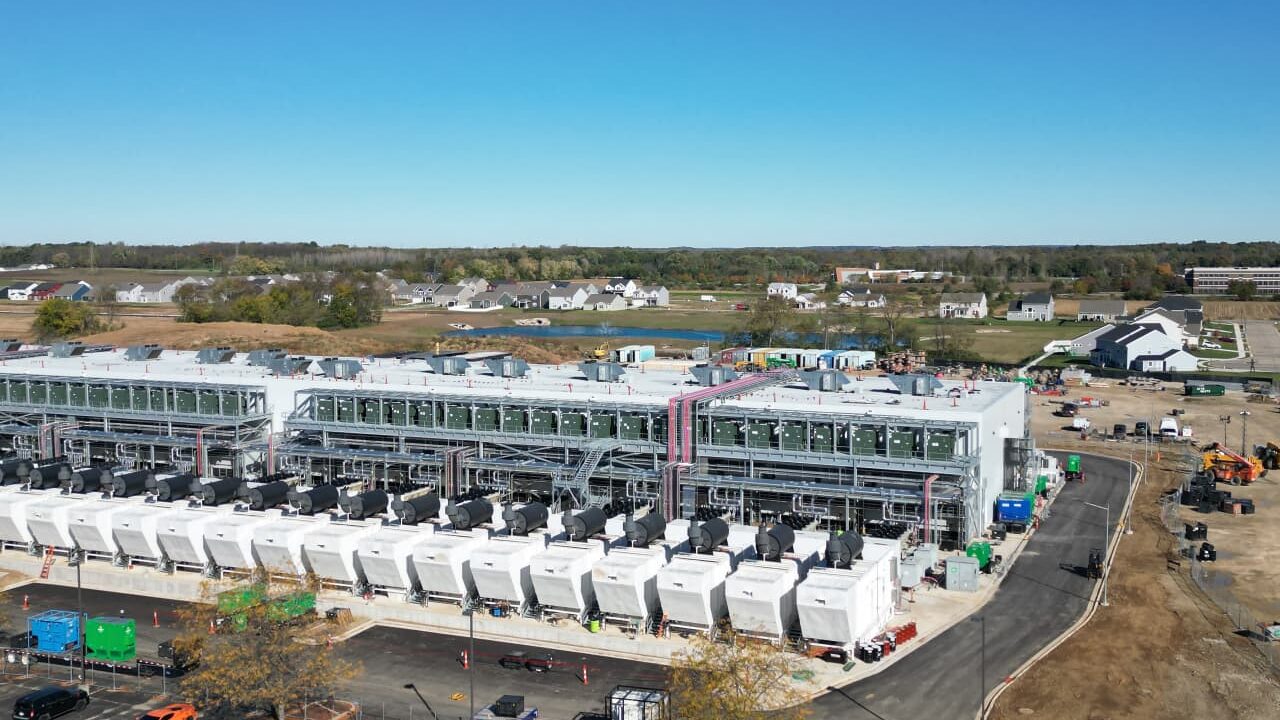
South Korean IPO Flop Deepens Global AI Trade Woes as Data-Center Deals Stall
TREE NEWS reports: A planned initial public offering in South Korea has become the latest casualty in a growing string of disappointments for the global artificial-intelligence trade, after the flotation was shelved amid weak investor demand. The deal was one of at least three data-center provider IPOs that have been pulled or postponed in October alone, despite backing from AI powerhouses including Nvidia, Blackstone, and SoftBank. The retreat signals that public-market investors are increasingly skeptical about the sustainability of the massive capital-expenditure outlay underpinning the AI boom.
The South Korean deal, which would have valued a data-center operator, failed to attract sufficient interest at the proposed price range. It joins a growing list of AI-adjacent listings that have stumbled in recent weeks. Data-center providers—seen as the backbone of the AI revolution—have been particularly vulnerable as investors question whether the current pace of spending on compute infrastructure can be justified by near-term revenue growth.
Market Implications
The shelved IPOs are a warning sign for the broader AI trade, which has powered much of the equity market’s gains this year. If investor appetite for AI-related new issues continues to wane, it could weigh on the valuations of listed data-center REITs, semiconductor stocks, and the broader technology sector. Companies like Nvidia, whose chips are essential for AI workloads, have benefited enormously from the data-center buildout, but any slowdown in spending could ripple through the supply chain.
For equities, the immediate impact may be felt in the shares of data-center operators and their suppliers. Private-equity firms such as Blackstone, which have poured billions into digital infrastructure, could face pressure to mark down assets or delay exit plans. SoftBank, a prolific investor in AI and infrastructure, may also see its portfolio valuations tested. The broader market could interpret the IPO flops as a sign that the AI trade is overheating, leading to a rotation out of high-flying tech names.
In the bond market, the news could reinforce expectations that the Federal Reserve may need to keep interest rates higher for longer if capital spending remains robust, but a slowdown in AI investment could also signal weaker economic growth ahead, complicating the rate outlook. For crypto, the AI narrative has been a tailwind for tokens tied to decentralized compute and GPU networks, but a pullback in AI enthusiasm could dampen that sentiment. Commodities, particularly those tied to data-center construction such as copper and electricity, could see reduced demand expectations. Currency markets may react if the IPO weakness is seen as a broader risk-off signal, potentially benefiting the U.S. dollar and safe-haven assets like the yen.
Why This Matters for Investors
The AI trade has been one of the most crowded and lucrative themes in global markets over the past 18 months. However, the failure of multiple IPOs in a single month suggests that the easy money phase may be over. Investors are becoming more discerning, demanding clear paths to profitability and sustainable cash flows rather than just growth stories. This shift could lead to higher volatility in AI-related stocks and a reassessment of valuations across the sector.
For long-term investors, the pullback may present opportunities to buy quality names at more reasonable prices, but caution is warranted. The data-center buildout is likely to continue, but the pace may moderate, and companies with strong balance sheets and proven business models will be better positioned to weather the transition. Diversification across sectors and geographies remains prudent, as the AI trade’s leadership may broaden or rotate.
- IPO window narrows: The shelving of three data-center IPOs in October signals that public investors are no longer willing to fund AI infrastructure at any price.
- Valuation risk: Listed data-center operators, semiconductor stocks, and AI-focused private-equity portfolios could face downward pressure as growth expectations reset.
- Watch the capex cycle: Any slowdown in data-center spending would have cascading effects on suppliers, real estate, and commodity demand.
- Opportunity in dislocation: Long-term investors may find attractive entry points in quality AI names, but selectivity is key.