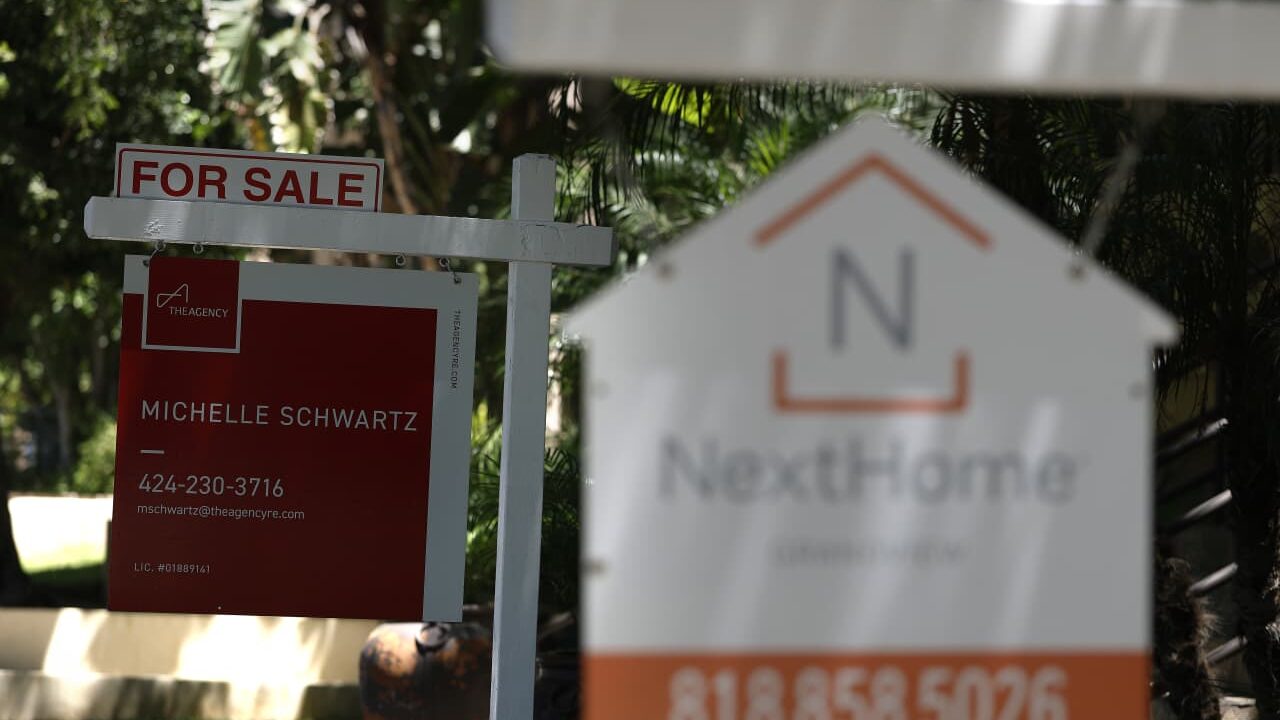
Goldman Sachs Warns Housing Market Will Get Worse
TREE NEWS reports: Goldman Sachs expects the U.S. housing market to deteriorate further, even as housing starts and transactions have already been flat for three years with mortgage rates above 7%. The investment bank’s outlook points to continued pressure on affordability, inventory, and construction activity, with ripple effects across financial markets.
What’s Happening
Housing activity has been stagnant for three years: starts are flat, existing-home sales are near multi-decade lows, and mortgage rates have stayed above 7%, keeping many would-be buyers and sellers on the sidelines. Goldman Sachs now projects that conditions could worsen before they improve, citing persistent supply constraints, elevated borrowing costs, and a slowing economy.
The call comes as the Federal Reserve maintains a restrictive stance, with inflation still above target. While markets expect rate cuts later this year, the timing remains uncertain. Until then, mortgage rates are likely to remain elevated, further dampening demand.
Market Implications
Stocks: Homebuilders and housing-related equities could face headwinds. Companies like DR Horton, Lennar, and PulteGroup may see margin pressure as incentives and price cuts eat into profits. Building materials suppliers and home improvement retailers could also feel the pinch. Broader market impact may be limited, but housing-sensitive sectors could underperform.
Bonds: A weaker housing market reinforces expectations for Fed rate cuts, supporting Treasury prices. However, if the slowdown is severe, credit spreads could widen, particularly for mortgage-backed securities and consumer ABS.
Crypto: Crypto assets are increasingly correlated with risk sentiment and liquidity conditions. A housing-led slowdown could accelerate rate-cut expectations, which may be positive for crypto in the medium term, but near-term volatility is likely as investors reassess growth prospects.
Commodities: Industrial metals like copper and lumber could see demand weaken. Lumber prices, a key housing input, may remain depressed. Gold could benefit from safe-haven flows if economic concerns mount.
Currencies: The dollar may soften as rate-cut expectations rise, but safe-haven demand could provide support. The yen and Swiss franc could gain if risk aversion increases.
Why This Matters for Investors
Housing is a leading indicator for the broader economy. A prolonged downturn could signal weakening consumer spending, rising unemployment, and slower GDP growth. For investors, this reinforces the need for diversification and a focus on quality. Sectors tied to housing should be approached with caution, while defensive and rate-sensitive assets may offer opportunities.
Additionally, the housing market’s health is closely linked to financial stability. A severe downturn could trigger credit events, impacting banks and mortgage insurers. Investors should monitor delinquency rates and regional housing data for early warning signs.
Key Takeaways
- Goldman Sachs expects the housing market to worsen, with starts and sales already flat for three years.
- Persistently high mortgage rates and supply constraints are key drivers.
- Homebuilders and housing-related stocks face downside risks; bonds may benefit from rate-cut expectations.
- Crypto and commodities could see mixed impacts, with gold likely to benefit from safe-haven demand.
- Investors should watch housing data closely as a leading economic indicator.