Why a Tesla-SpaceX Merger Could Be a Bad Deal for Investors
TREE NEWS reports: Wall Street is abuzz over speculation that Tesla and SpaceX could merge, but a growing chorus of analysts warns that such a combination would likely destroy shareholder value rather than create it. The chatter gained momentum after recent comments from Elon Musk and a wave of social-media speculation, yet the fundamental case for a tie-up remains weak. For investors, the key question is not whether the merger is technically possible, but whether it makes financial sense — and the evidence suggests it does not.
What’s Behind the Merger Talk
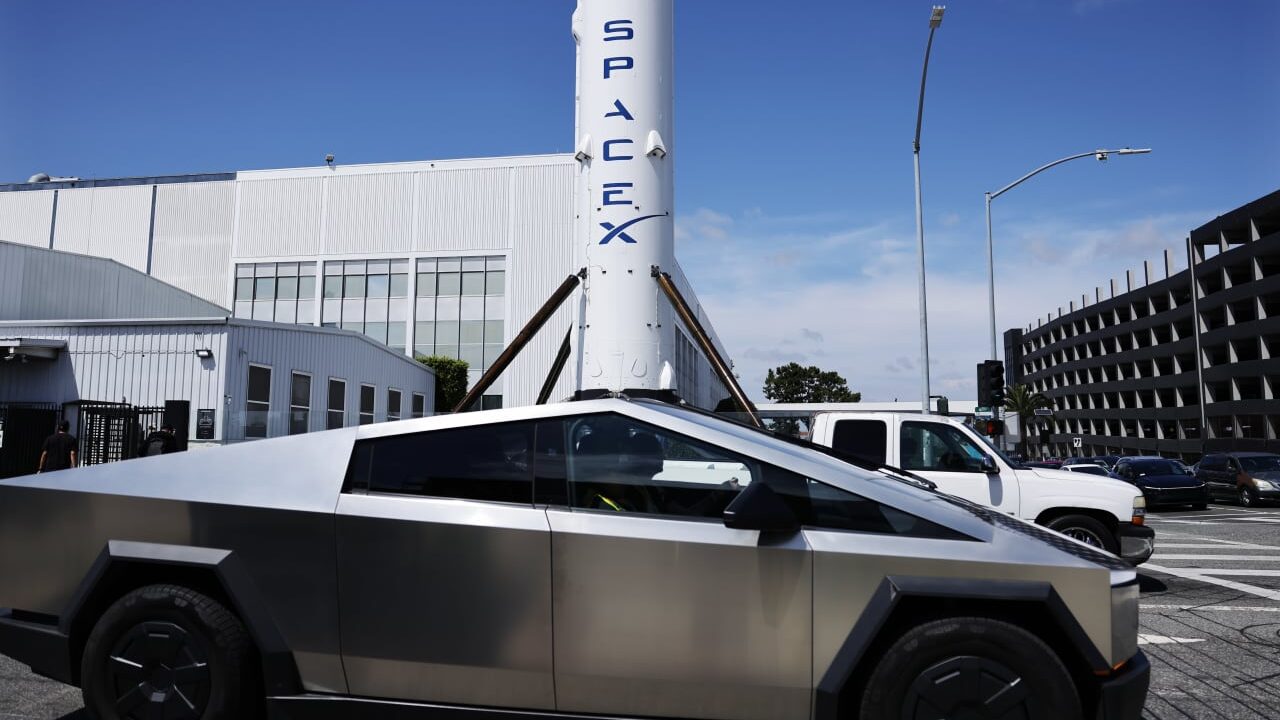
The speculation centers on Musk’s overlapping leadership of both companies and his history of intertwining their operations. Tesla already shares talent, technology, and even some suppliers with SpaceX. Proponents argue that a merger would create a vertically integrated powerhouse spanning electric vehicles, space launch, satellite broadband, and AI. But critics point out that the two businesses have radically different capital structures, risk profiles, and growth trajectories. SpaceX is a private company with a venture-style valuation, while Tesla is a publicly traded automaker subject to quarterly earnings scrutiny and regulatory disclosure requirements.
Market Implications
If a merger were announced, expect sharp volatility in Tesla shares. The stock already trades at a premium valuation that embeds enormous expectations for autonomy and robotics. Absorbing SpaceX would dilute Tesla’s earnings per share, complicate its capital allocation, and expose shareholders to the capital-intensive, contract-driven economics of space launch and satellite broadband. Bondholders could also balk at the added leverage and operational complexity. Meanwhile, SpaceX’s private investors — including venture funds and employees — would gain liquidity, but public shareholders would bear the integration risk.
- Stocks: Tesla could see a short-term pop on Musk hype, followed by a selloff as details emerge. Suppliers and partners may face uncertainty.
- Bonds: Tesla’s credit profile could weaken if the combined entity takes on more debt to fund SpaceX’s ambitious projects.
- Crypto: Limited direct impact, though Musk-related tokens and meme coins could see speculative swings.
- Commodities: Minimal effect, barring a major shift in SpaceX’s launch cadence or satellite deployment.
- Currencies: No meaningful impact; the story is equity-specific.
Why It Matters for Investors
The merger chatter is a reminder that governance and capital allocation matter. Tesla shareholders own a piece of an automaker with a growing energy business; they did not sign up for a space conglomerate. Any deal would require a fairness opinion, independent board review, and likely a shareholder vote. Investors should scrutinize whether the combined entity would trade at a conglomerate discount, whether SpaceX’s valuation is credible, and how Musk’s attention would be divided. The safer bet is to treat the speculation as noise until a formal proposal emerges — and to demand clear financial rationale before endorsing any deal.
Key Takeaways
- A Tesla-SpaceX merger is technically possible but strategically questionable.
- Public shareholders would bear integration risk and potential EPS dilution.
- Governance and capital allocation concerns should outweigh hype.
- Wait for a formal proposal and independent analysis before reacting.