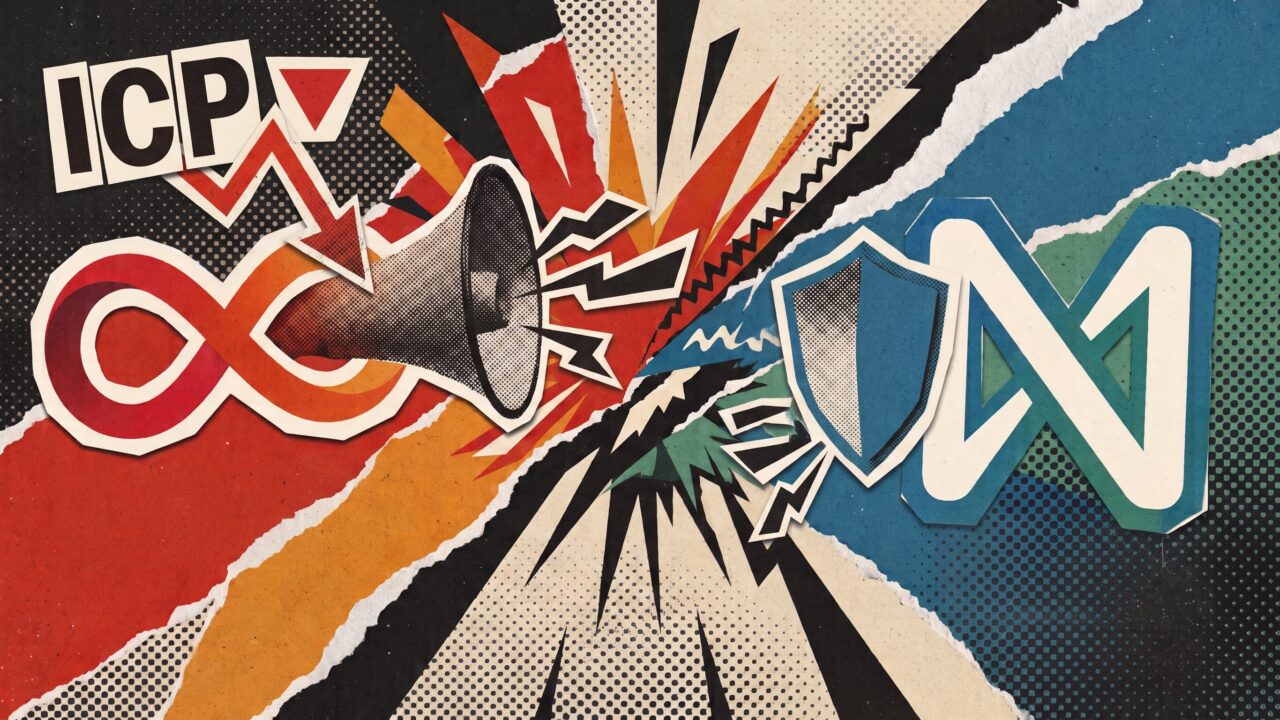
DFINITY Founder’s Attack on NEAR Backfires, Sparks Meme Coin Mockery
In a recent social media outburst, DFINITY founder Dominic Williams criticized NEAR Protocol’s privacy mechanisms, only to face widespread ridicule from the crypto community. The incident has reignited a debate about the relevance of legacy layer-1 blockchains and the perils of aggressive marketing tactics.
The Attack and the Backlash
Williams, known for his vocal promotion of the Internet Computer (ICP), took aim at NEAR’s approach to privacy, questioning its effectiveness and security. However, his comments were quickly met with derision from NEAR supporters and neutral observers alike. Many pointed to ICP’s own struggles with adoption and price performance, accusing Williams of ‘clout-chasing’ to draw attention to his project.
The backlash escalated when community members created a meme coin mocking Williams’ remarks, further amplifying the ridicule. The episode highlights the growing tribalism in the crypto space and the risks of public attacks on rival projects.
Industry Analysis: Legacy L1s Under Pressure
Both DFINITY and NEAR were once hailed as promising layer-1 solutions, but they have since lost mindshare to newer ecosystems like Solana and Ethereum’s layer-2 rollups. The exchange underscores the intense competition among smart contract platforms and the importance of community engagement over confrontational marketing.
- Reputation risk: Public attacks can backfire, especially when the attacker’s own project is perceived as underperforming.
- Community power: Meme coins and social media amplify community sentiment, turning minor spats into major PR crises.
- Market maturity: Investors are increasingly focused on fundamentals, making baseless criticism less effective.
NEAR, for its part, has been focusing on its ‘chain abstraction’ narrative and expanding its ecosystem through partnerships and developer grants. The protocol’s privacy features, while criticized by Williams, are part of a broader effort to enhance user confidentiality without compromising scalability.
Forward-Looking Perspective
As the crypto market matures, projects must differentiate through technology and user experience rather than sensationalism. The DFINITY-NEAR spat serves as a cautionary tale: in a transparent and community-driven industry, credibility is hard to build and easy to lose. Both projects would do well to focus on shipping upgrades and fostering developer activity, rather than engaging in public mudslinging.
Looking ahead, the survival of legacy L1s will depend on their ability to adapt and collaborate, not compete through negativity. The rise of interoperability solutions and modular blockchains may force once-rival platforms to find common ground.