SpaceX and Tesla Explore Potential Merger
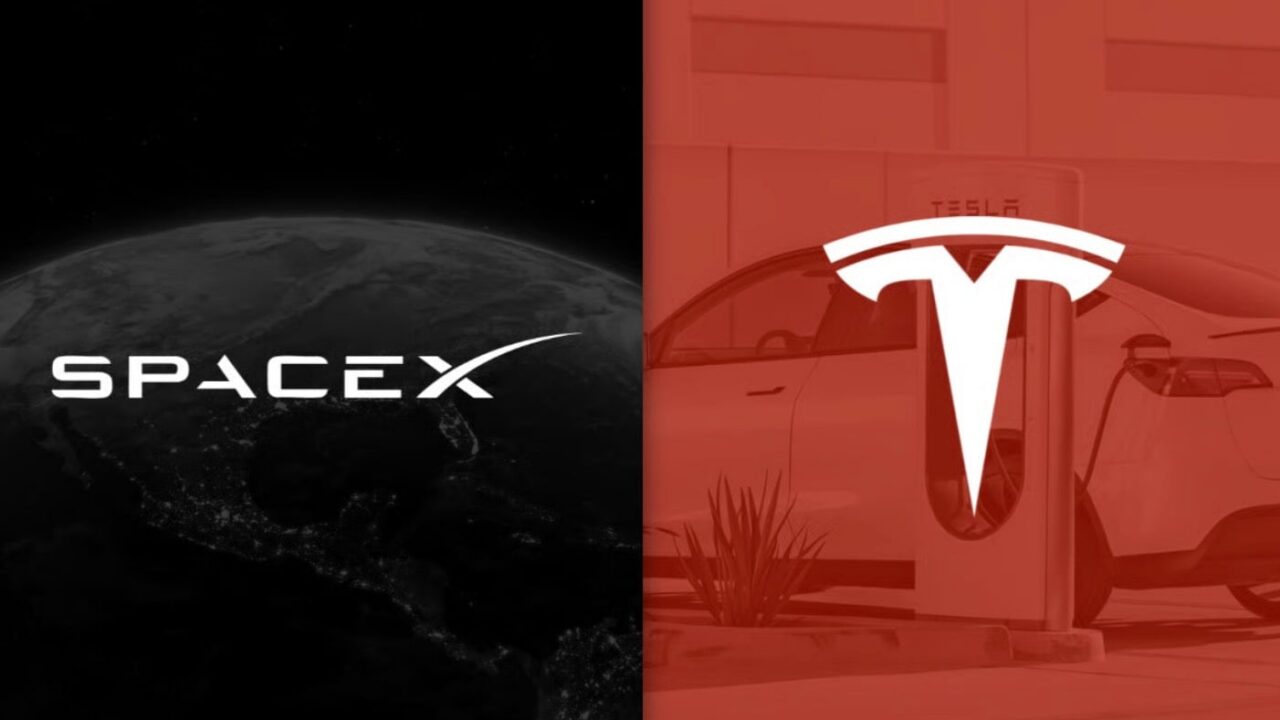
SpaceX and Tesla have each formed special committees to explore a potential merger, Elon Musk confirmed during SpaceX’s Q3 earnings call. The discussions are exploratory, no terms have been agreed, and completion is not guaranteed. Musk is recusing himself due to conflicts of interest.
Valuation Conundrum
A merger would combine two of the most valuable private and public companies. SpaceX’s latest valuation hovers around $150 billion, while Tesla’s market cap exceeds $800 billion. Any deal would require complex valuation work, especially given Tesla’s volatile stock and SpaceX’s illiquid shares. Synergies in manufacturing, AI, and satellite communications could justify a premium, but overlapping ownership and governance issues complicate the math.
Shareholder Approval Hurdles
Tesla shareholders would need to approve the deal, and Musk’s 13% stake in Tesla plus his SpaceX holdings create a related-party transaction. Institutional investors may demand robust protections. SpaceX’s private investors, including venture capital firms, would also need to sign off. The special committees aim to ensure fairness, but litigation risk is high.
Strategic Rationale and Risks
Combining Tesla’s EV and energy business with SpaceX’s launch and Starlink capabilities could create a vertically integrated tech giant. However, regulatory scrutiny from the SEC, FTC, and DOJ is likely. National security concerns around SpaceX’s defense contracts could also arise. Integration challenges and Musk’s divided attention are additional risks.
Forward-Looking Perspective
While talks are early, a merger could reshape both companies and the broader tech landscape. Investors should watch for formal announcements, committee findings, and any regulatory pushback. The outcome will hinge on valuation, governance, and political will.