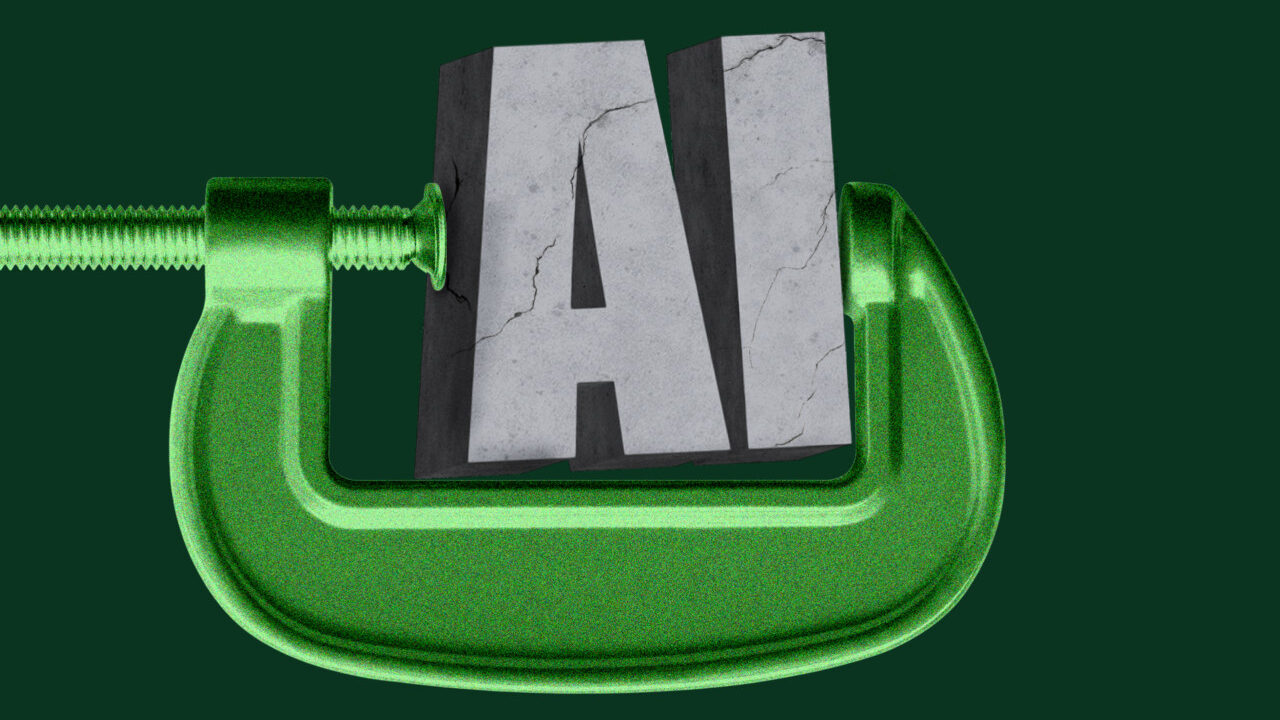
The AI Overlap in Your Portfolio: Three Questions Every Investor Must Ask
TREE NEWS reports: As artificial intelligence continues to dominate market narratives, a growing concern is emerging: your stock portfolio may have far more AI exposure than you realize. From direct holdings in chipmakers and cloud giants to indirect bets through ETFs and index funds, the average investor is likely more leveraged to the AI theme than they intended. This hidden concentration raises critical questions about diversification, valuation, and risk management.
What Happened
A recent analysis highlights that many portfolios, even those not explicitly branded as AI-focused, contain significant overlap with the AI supply chain. Companies like Nvidia, Microsoft, and Alphabet appear across multiple funds, creating unintended concentration. The report urges investors to scrutinize their holdings and ask three key questions: How much AI exposure do I actually have? Is my portfolio diversified beyond AI? And am I prepared for a potential correction in AI-related stocks?
Market Implications
The AI trade has been a primary driver of equity gains over the past year, with the so-called Magnificent Seven accounting for a large share of S&P 500 returns. If investors begin to reassess their exposure, we could see increased volatility in AI-linked names. A rotation out of crowded positions might benefit sectors that have lagged, such as value stocks, small caps, and international equities. However, a disorderly unwind could pressure broader indices given the heavy weighting of AI leaders.
In bonds, a sharp selloff in AI stocks could trigger a flight to quality, pushing yields lower. Crypto markets, often correlated with risk assets, might also experience spillover effects, particularly in AI-themed tokens. Commodities, especially those tied to semiconductor supply chains like copper and rare earths, could see demand fluctuations. Currency markets may react to shifts in risk sentiment, with the dollar potentially strengthening if volatility spikes.
Why This Matters for Investors
Understanding your true AI exposure is essential for managing risk. Many investors unknowingly hold overlapping positions through index funds and actively managed portfolios. This concentration can amplify drawdowns during sector-specific downturns. The three questions serve as a practical framework to assess and adjust allocations. Investors should review their holdings, consider trimming overweight positions, and ensure diversification across sectors and geographies.
Key Takeaways
- Assess Your Exposure: Calculate the percentage of your portfolio tied to AI-related companies, including indirect holdings through ETFs and mutual funds.
- Diversify Beyond AI: Ensure your portfolio isn’t overly reliant on a single theme by allocating to sectors with lower correlation, such as healthcare, consumer staples, and financials.
- Prepare for Volatility: AI stocks have high valuations; a correction could be sharp. Consider hedging strategies or rebalancing to manage risk.
- Stay Informed: Monitor regulatory and competitive developments in AI, as these can impact long-term growth prospects.
By asking these questions, investors can better position themselves for the evolving market landscape and avoid unintended risks.