Republican Revolt on Tariffs: Collins Forces Trump to Back Down on Canada Levies
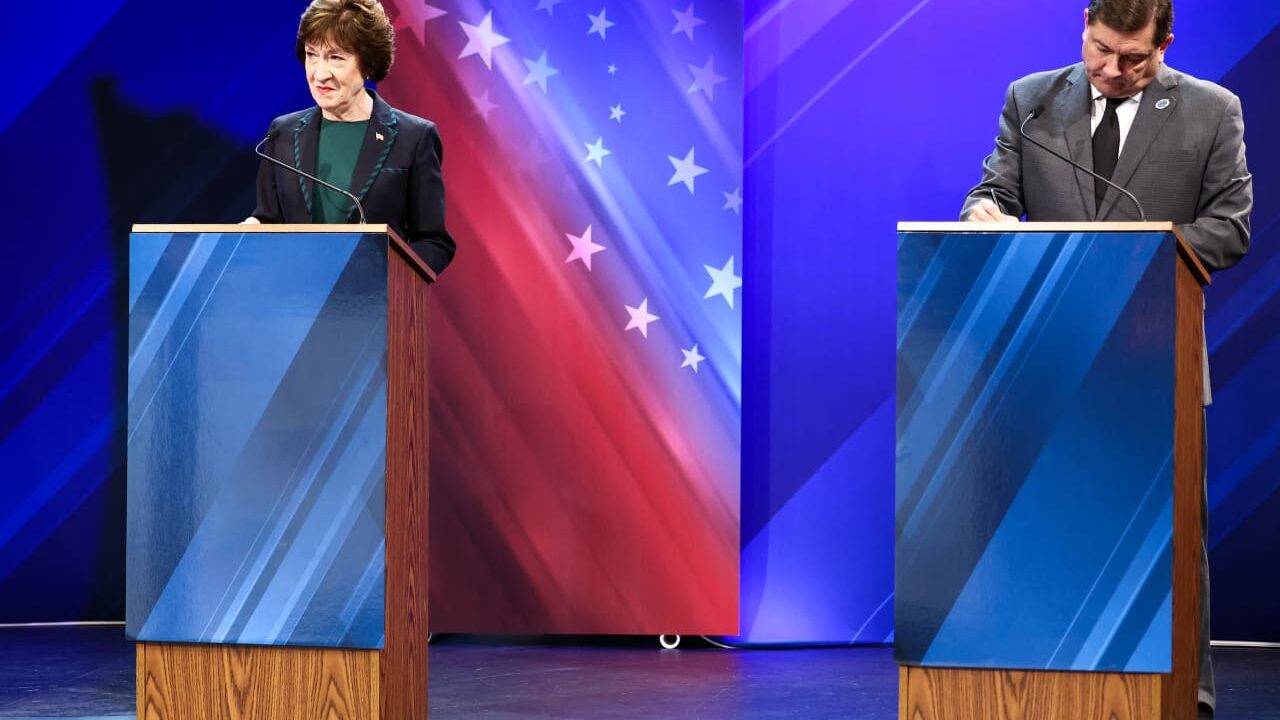
TREE NEWS reports: In a rare display of intra-party pushback, President Donald Trump has agreed to scale back certain tariffs on Canadian goods after a sustained lobbying effort by Senator Susan Collins (R-Maine). The five-term senator, who faces a competitive re-election bid in 2026, has publicly touted her success in convincing the administration to reverse or delay levies that would have hit Maine’s key industries—lobster, blueberry, and paper—particularly hard. The move marks one of the first concrete instances of Republican lawmakers successfully challenging Trump’s aggressive trade agenda, signaling that tariff fatigue is growing even within his own party.
What Happened
Senator Collins, a senior member of the Appropriations Committee, engaged directly with the White House and U.S. Trade Representative over the past several weeks, arguing that the proposed tariffs on Canadian imports would raise costs for Maine businesses and consumers while doing little to address the underlying trade disputes. Her efforts culminated in an announcement that the administration would exempt a range of Canadian agricultural and manufactured goods from the planned levies. Collins, who is up for re-election in a state Trump lost in 2020, is framing the win as a victory for bipartisan pragmatism and local jobs.
The development comes amid broader Republican unease over the economic fallout from Trump’s tariff policies. Several GOP senators have privately and publicly warned that sweeping tariffs risk igniting inflation, disrupting supply chains, and alienating key trading partners. Collins’ success may embolden other lawmakers to seek similar carve-outs for their home states.
Market Implications
While the news is narrowly focused on U.S.-Canada trade, it carries broader significance for financial markets:
- Stocks: Companies with significant exposure to Canadian supply chains—including automakers, food processors, and building materials firms—could see relief. The S&P 500 and Dow Jones Industrial Average may react positively to any sign that tariff escalation is being tempered, though the overall market impact is likely to be modest unless more exemptions follow.
- Bonds: Reduced tariff risk lowers the probability of a near-term inflation spike, which could be mildly supportive for Treasuries. However, the Federal Reserve’s rate path remains the dominant driver, and this news alone is unlikely to shift yields materially.
- Commodities: Canadian exports such as lumber, aluminum, and agricultural products are directly affected. Any easing of tariffs could pressure prices for these commodities, while providing cost relief to U.S. manufacturers. Oil and gas markets are less directly impacted but may see sentiment effects.
- Currencies: The Canadian dollar (CAD) could strengthen against the greenback on reduced trade friction. The U.S. dollar index (DXY) may see minor fluctuations, but broader macro factors—such as Fed policy and global risk appetite—remain dominant.
- Crypto: Digital assets are largely insulated from this specific development. However, if the news contributes to a broader risk-on sentiment and lower inflation expectations, it could indirectly support crypto markets, which have become increasingly correlated with tech stocks and macro liquidity conditions.
Why It Matters for Investors
The story underscores that Trump’s tariff agenda is not monolithic; political pressure from within his own party can produce tangible carve-outs. For investors, this suggests that tariff risk may be more nuanced and targeted than initially feared, reducing the probability of a full-blown trade war that could derail global growth. It also highlights the importance of monitoring political developments in key swing states, as lawmakers may increasingly seek relief for local industries.
That said, the underlying protectionist tilt of the administration remains intact. Investors should not assume a broad rollback of tariffs; rather, this is a targeted exception driven by electoral calculus. Sectors reliant on imported inputs should still hedge against policy uncertainty, and currency traders should watch for further signs of Republican dissent as a potential leading indicator of trade policy moderation.
Key Takeaways
- Senator Susan Collins successfully lobbied the White House to scale back tariffs on certain Canadian goods, marking a rare Republican win against Trump’s trade agenda.
- Markets may see modest relief in sectors exposed to Canadian supply chains, but the overall impact is likely limited unless more exemptions follow.
- Political pushback within the GOP could signal a more targeted, less sweeping approach to tariffs, reducing tail risks for global trade.
- Investors should remain vigilant: the administration’s protectionist stance is unchanged, and policy uncertainty persists.