Oil Markets Brace for Turbulence as Midterms and Iran Tensions Collide
TREE NEWS reports: Oil prices have surged back to levels last seen during the Iran-war premium, and traders are positioning for further gains as the United States and Israel may launch military strikes on Iran following upcoming midterm elections. The confluence of political uncertainty and geopolitical risk is creating a perfect storm for energy markets, with ripple effects expected across stocks, bonds, cryptocurrencies, commodities, and currencies.
What Happened
Crude oil has climbed sharply in recent sessions, erasing earlier losses and returning to highs not witnessed since the peak of tensions with Iran earlier this year. The rally is driven by speculation that Washington and Tel Aviv could carry out strikes on Iranian nuclear facilities after voters in both countries go to the polls in the coming days. The timing suggests a window of political cover: once elections are concluded, leaders may feel emboldened to take decisive action without immediate electoral consequences.
This geopolitical premium is being layered on top of an already tight physical market. Global inventories remain below historical averages, OPEC+ continues to manage supply cautiously, and demand—particularly from Asia—has shown resilience despite slowing economic growth. The mere threat of disruption to Iranian exports, which have been flowing despite sanctions, is enough to spook traders.
Market Implications
Stocks
Equity markets face a dual threat. Higher energy costs act as a tax on consumers and businesses, squeezing profit margins across sectors from transportation to manufacturing. Meanwhile, the uncertainty itself could trigger risk-off sentiment, particularly in cyclical stocks. Energy majors and oil services companies may outperform, but the broader market could struggle as investors weigh the impact of sustained higher oil prices on inflation and central bank policy.
Bonds
Government bonds are caught in a tug-of-war. Safe-haven demand typically supports Treasuries during geopolitical crises, but if oil-driven inflation expectations rise, yields could climb as markets price in more aggressive monetary tightening. The Federal Reserve, already navigating a delicate balance, may find its path complicated by an energy shock that pushes inflation higher while slowing growth.
Crypto
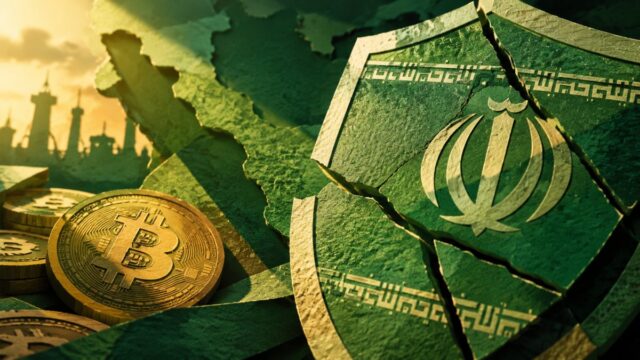
Digital assets have increasingly traded as risk-on instruments, and a spike in geopolitical tension could see cryptocurrencies sell off alongside equities. However, bitcoin’s “digital gold” narrative may attract some safe-haven flows if the situation escalates into a broader conflict. Historically, crypto has shown mixed reactions to geopolitical shocks: initial sell-offs followed by recovery as investors seek alternative stores of value.
Commodities
Beyond oil, the entire commodity complex could be affected. Gold, already buoyant, may extend gains as a hedge against uncertainty. Industrial metals could face pressure if global growth concerns intensify, while agricultural commodities might be impacted by supply chain disruptions and higher energy costs.
Currencies
The U.S. dollar typically benefits from safe-haven flows during geopolitical crises, but the picture is nuanced. Higher oil prices could weigh on the dollar if they exacerbate the trade deficit, while the euro and yen may see volatility depending on their respective energy import dependencies. Commodity-linked currencies like the Canadian dollar and Norwegian krone could find support from higher crude prices.
Why This Matters for Investors
This is not just another headline risk; it represents a potential regime shift. For months, markets have been focused on central bank policy and economic data. A military conflict in the Middle East would introduce a supply-side shock that monetary policy cannot easily address. Investors should consider:
- Portfolio diversification: Energy exposure can act as a hedge against geopolitical risk, but be selective—integrated majors and low-cost producers are better positioned than high-cost shale operators.
- Inflation protection: TIPS and commodities may offer protection if oil-driven inflation resurfaces.
- Currency hedging: Consider the impact of dollar strength on international holdings.
- Volatility management: Options strategies or volatility ETFs could help navigate choppy markets.
- Watch the elections: The outcome may influence the timing and scale of any military action, as well as broader fiscal and energy policy.
The coming days will be critical. As voters head to the polls and geopolitical posturing intensifies, oil markets are likely to remain on edge—and that edginess will transmit to every corner of the financial markets.