Trump Signals Possible Military Action or Historic Deal with Iran
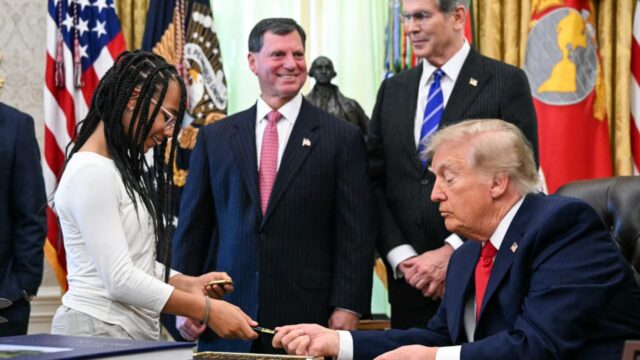
TREE NEWS reports: President Donald Trump stated on Friday that the United States may either take decisive military action against Iran or reach a major agreement with the country. “We’ll either solve the Iran problem completely, or we’ll make a deal,” Trump said. “We could hit them, or we could make a big and favorable deal. Either way, we win.” He also noted that Iran wants to negotiate.
The remarks come amid heightened tensions in the Middle East, with the U.S. maintaining a significant military presence in the region and Iran continuing to enrich uranium. The ambiguity of Trump’s position—simultaneously threatening force and offering diplomacy—has become a hallmark of his administration’s foreign policy, keeping adversaries and allies alike guessing.
Market Implications: Oil, Safe Havens, and Crypto
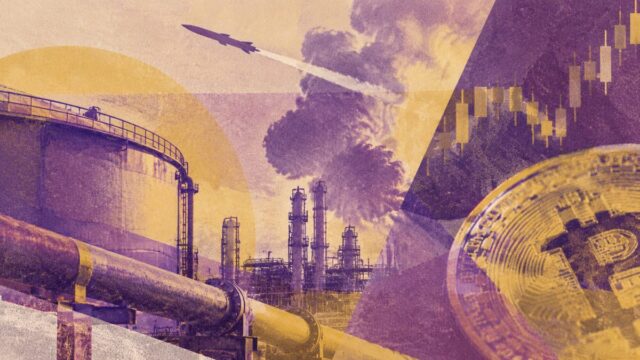
Geopolitical risk is a double-edged sword for cryptocurrency markets. On one hand, escalating tensions typically drive investors toward safe-haven assets, including gold and, increasingly, bitcoin. The leading cryptocurrency has often been touted as “digital gold” and a hedge against geopolitical instability, though its correlation with risk assets has complicated that narrative.
On the other hand, a military conflict could trigger a broader risk-off move across global markets, hitting equities and high-beta crypto assets alike. In the event of a strike, oil prices would likely spike, adding inflationary pressure and complicating the Federal Reserve’s rate path—a key macro driver for crypto valuations.
Historical precedents offer mixed signals. Following the U.S. drone strike that killed Iranian General Qasem Soleimani in January 2020, bitcoin initially surged past $8,000 before retracing. Similarly, the April 2024 Iran-Israel exchanges saw brief crypto volatility but no sustained directional move.
Deal Scenario: A Different Kind of Catalyst
If Trump opts for diplomacy and a deal is reached, the immediate effect would likely be a reduction in geopolitical risk premiums. Oil prices would fall, potentially easing inflation concerns and supporting risk assets, including crypto. A comprehensive agreement could also reduce sanctions-related friction, though Iran’s crypto ecosystem—used to circumvent sanctions—might see reduced demand for decentralized finance tools.
However, a deal could also free up Iranian oil exports, lowering energy costs globally and giving central banks more room to maneuver on interest rates. For crypto, lower rates are generally bullish, as they increase liquidity and appetite for risk.
Forward-Looking: Volatility Ahead
Traders should brace for elevated volatility in the coming weeks. Prediction markets, including those on Polymarket, are already pricing the odds of military action, and any shift in Trump’s rhetoric could trigger sharp moves. Crypto investors would do well to monitor oil prices, the VIX, and the U.S. dollar index as leading indicators.
Ultimately, the Iran situation underscores the growing importance of macro and geopolitical factors in crypto markets. As the asset class matures, its sensitivity to global events will only increase, making it essential for investors to incorporate geopolitical risk into their frameworks.