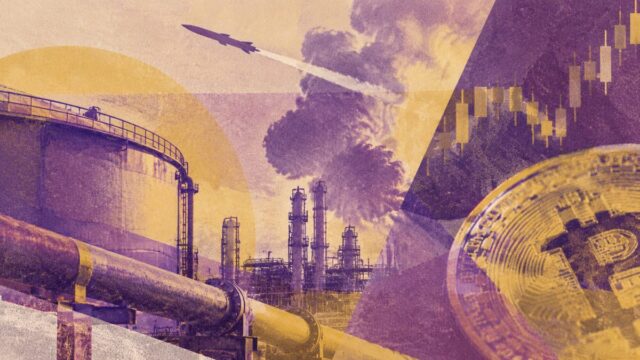
Geopolitical Risks and Tech Supply Shocks Test Global Markets
TREE NEWS reports: In a weekend roundup of significant developments, several factors are converging to create a complex backdrop for global markets. Domestically, gold jewelry prices continued their decline, with Saturday Fu’s pure gold dropping below 1,200 yuan per gram. The National Bureau of Statistics reported that 22 products saw price increases in mid-October, while live pig prices fell 4.9% month-over-month. Cui Dongshu noted that China’s power and other battery production reached 237 GWh in September, up 57% year-over-year. The Ministry of Commerce voiced strong opposition to the U.S.’s discriminatory expansion of investment restrictions on China. Meanwhile, Wang Huning accompanied North Korean leader Kim Jong Un on a visit to Dandong. In the tech sector, rumors of Nvidia discontinuing certain consumer graphics cards are stirring the Huaqiangbei computer parts market.
Internationally, local opposition in the U.S. is intensifying, and S&P warned of rising credit risks for data centers. Amazon’s CEO stated that the company’s cloud service capacity is sold out through 2027. France’s Interior Minister reported that police arrested 135 people and seized weapons. In the Middle East, the U.S. said the threat from Iran has risen to the highest level since the war began, with some embassies reducing staff. A U.S. think tank reported a record 28 attacks on commercial ships in the Strait of Hormuz in October.
Industry Analysis and Implications
The confluence of these events paints a picture of heightened geopolitical risk and supply chain disruptions. The record attacks in the Strait of Hormuz, a critical chokepoint for global oil shipments, pose a significant threat to energy markets. Any disruption could lead to spikes in oil prices, fueling inflation and complicating central bank policies. The U.S. warning on Iran and embassy drawdowns suggest escalating tensions, which could lead to military conflict and further destabilize the region.
In the tech space, Nvidia’s rumored discontinuation of consumer graphics cards could exacerbate supply shortages in the gaming and cryptocurrency mining sectors. The Huaqiangbei market, a bellwether for electronics, is already reacting. Amazon’s cloud capacity being sold out until 2027 underscores the insatiable demand for AI and cloud services, which has implications for data center credit risk, as highlighted by S&P. The credit risk warning suggests that the rapid buildout of data centers may be outpacing sustainable financing, potentially leading to corrections in the sector.
China’s battery production surge reflects the ongoing transition to electric vehicles and energy storage, but the drop in live pig prices indicates deflationary pressures in certain sectors of the Chinese economy. The Ministry of Commerce’s opposition to U.S. investment restrictions signals continued trade tensions, which could affect cross-border investment flows and technology transfer.
Forward-Looking Perspective
Investors should brace for increased volatility as these geopolitical and supply chain issues unfold. The Strait of Hormuz situation warrants close monitoring, as any escalation could disrupt oil supplies and trigger a risk-off move in global markets. The tech sector faces a dual challenge: supply constraints for consumer GPUs and potential credit risks in data center financing. However, the strong demand for cloud services, as evidenced by Amazon’s capacity constraints, suggests that the AI boom is far from over. Policymakers will need to navigate these challenges carefully, balancing national security concerns with economic growth. For now, markets are likely to remain jittery, with safe-haven assets like gold and government bonds in focus.