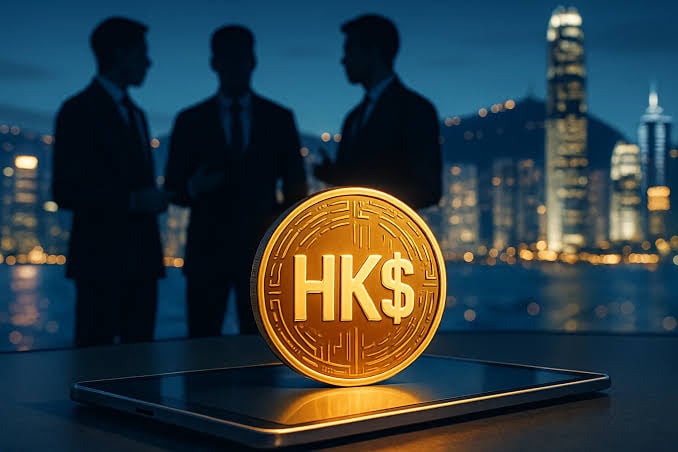
Hong Kong’s Digital Asset Ambitions Take Concrete Form
Hong Kong’s long-stated goal of becoming a digital asset hub is shifting from policy papers to real-world applications. In a significant development, HSBC’s RedCoin has been integrated with PayMe, allowing retail users to make payments using the stablecoin. Meanwhile, a pilot program by a firm called 碇点 (Dingdian) is testing HKDAP for corporate settlements, and tokenized money market funds have begun offering around-the-clock trading. These moves mark a transition from proof-of-concept to commercial validation, though each product still faces the test of market adoption.
The Retail Payment Play: HSBC’s RedCoin Meets PayMe
The integration of RedCoin—HSBC’s tokenized deposit—with PayMe, the bank’s popular peer-to-peer payment app, brings stablecoin-style payments to a mass retail audience. This is notable because it leverages existing banking infrastructure rather than creating a parallel system. Users can now hold and transact with a digital asset that is backed by a regulated bank, potentially bridging the gap between traditional finance and crypto-native payments. The move could set a precedent for other banks in the region to explore similar integrations.
Corporate Settlements and 24/7 Fund Trading
On the institutional side, the HKDAP pilot aims to streamline business-to-business settlements using a stablecoin pegged to the Hong Kong dollar. This could reduce friction and costs in cross-border trade and corporate treasury operations. Simultaneously, tokenized money market funds now allow investors to subscribe and redeem shares at any time, breaking free from traditional market hours. This 24/7 liquidity is a key advantage of tokenization, offering flexibility that conventional funds cannot match.
Analysis: The Gap Between Launch and Adoption
While these developments are encouraging, they represent early steps. The success of RedCoin and HKDAP will depend on merchant acceptance, user trust, and regulatory clarity. Tokenized funds, too, need to demonstrate that they can attract meaningful assets and provide a seamless investor experience. The infrastructure is being laid, but commercial validation—measured by transaction volumes and assets under management—is still pending. Hong Kong’s regulators have created a supportive environment, but the market must now prove that these products offer tangible benefits over existing alternatives.
Forward Look: A Blueprint for Others?
Hong Kong’s approach—integrating stablecoins with existing payment rails and tokenizing traditional funds—could serve as a model for other jurisdictions. If successful, it would demonstrate that digital assets can enhance efficiency without disrupting the financial system. The coming months will be crucial as these pilots scale and gather user feedback. For now, the city-state is showing that its digital asset strategy is not just talk but action, and the world will be watching closely.