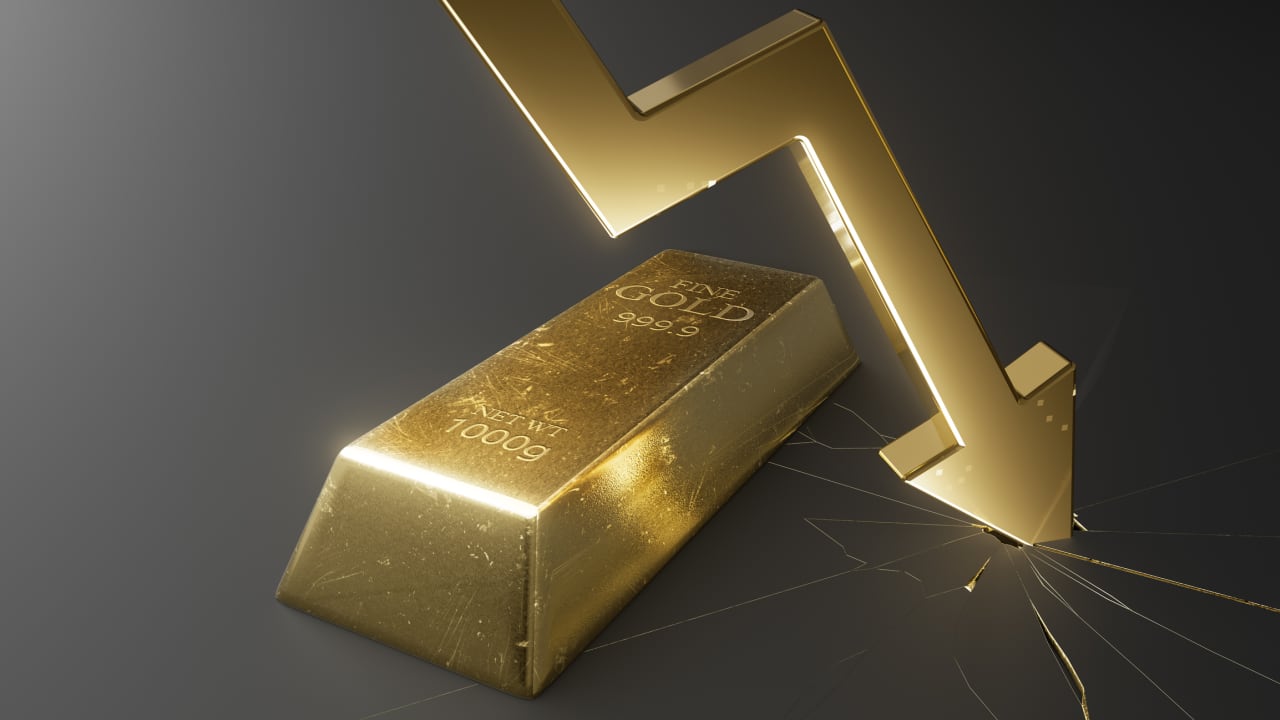
Gold Plunges to One-Year Low Despite Renewed Middle East Tensions
TREE NEWS reports: Gold prices tumbled to their lowest level in a year on Wednesday, defying expectations that safe-haven demand would surge following the U.S. midterm elections and renewed jitters over potential Middle East attacks. The precious metal’s sharp decline underscores a complex interplay of macroeconomic forces that are currently outweighing geopolitical risk.
Spot gold fell as much as 1.5% to trade below $1,620 an ounce, the weakest since November 2022, before paring some losses. The move extended a months-long downtrend driven by a strengthening U.S. dollar, rising real yields, and shifting expectations around Federal Reserve policy.
What Happened
The midterm elections resulted in a divided Congress, with Republicans gaining control of the House and Democrats retaining the Senate. While political gridlock typically supports gold by limiting fiscal stimulus, the market’s focus has shifted to the Federal Reserve’s aggressive rate-hiking cycle. Renewed concerns about Middle East hostilities—including potential attacks on shipping lanes or energy infrastructure—failed to ignite a sustained safe-haven bid.
Instead, investors flocked to the U.S. dollar and Treasury yields, both of which compete with gold as stores of value. The dollar index climbed to a two-week high, making dollar-denominated gold more expensive for overseas buyers.
Market Implications
The breakdown in gold has broad ramifications across asset classes:
- Stocks: Equity markets rallied on hopes that a divided government will prevent major tax hikes or spending bills. Gold miners, however, underperformed as margins compress with lower bullion prices.
- Bonds: Treasury yields remain elevated, with the 10-year note hovering near 4.2%. Higher yields increase the opportunity cost of holding non-yielding gold.
- Crypto: Bitcoin and other digital assets showed little correlation to gold’s move, trading sideways as investors weigh regulatory clarity post-elections. Some analysts argue crypto is stealing gold’s thunder as a speculative hedge.
- Commodities: Industrial metals like copper held steady, while oil prices remained volatile on supply concerns. Gold’s decline contrasts with the broader commodity complex.
- Currencies: The dollar’s resilience continues to pressure emerging-market currencies and gold. A sustained dollar rally could exacerbate gold’s slide.
Why This Matters for Investors
Gold’s failure to rally on geopolitical risk is a warning sign for those relying on the metal as a crisis hedge. In a high-rate environment, the opportunity cost of holding gold is simply too high. Investors should consider:
- Real yields: Gold historically moves inversely to real interest rates. With real yields positive and rising, gold’s appeal diminishes.
- Dollar dynamics: A strong dollar is a headwind for gold. Any Fed pivot could weaken the dollar and support gold, but timing is uncertain.
- Portfolio diversification: Gold’s role as a diversifier may be challenged in the short term. Investors might look to other hedges like inflation-protected bonds or certain currencies.
While geopolitical risks remain elevated, the market is clearly prioritizing monetary policy over military conflict. Until the Fed signals a pause or pivot, gold may struggle to find a floor. Investors should watch upcoming inflation data and Fed commentary for clues on the next directional move.